How to Use Tactical Radios During Emergencies
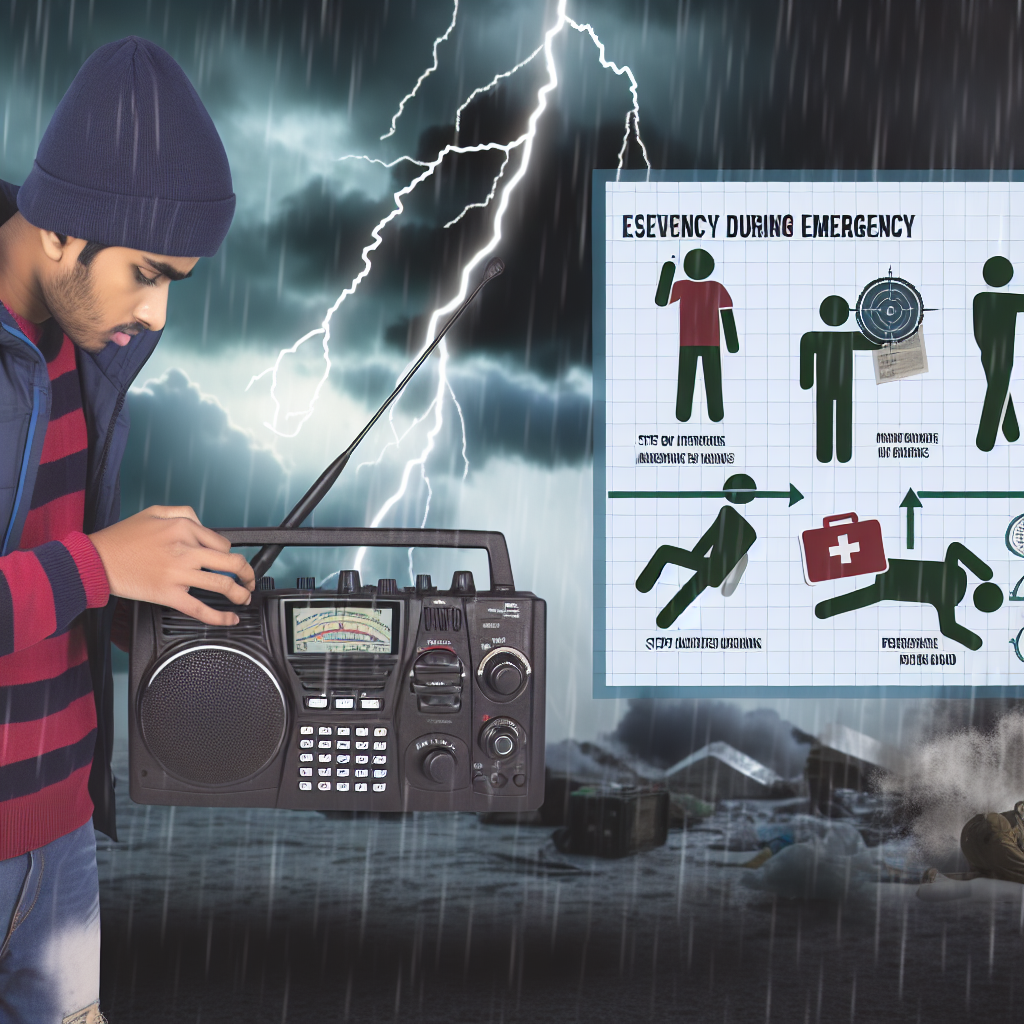
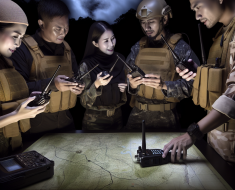
In times of crisis, effective communication can be the difference between life and death. Tactical radios, designed for durability and reliability under extreme conditions, are essential tools for emergency responders, military personnel, and even civilians preparing for disasters. Understanding how to use tactical radios during emergencies not only enhances coordination but also ensures that critical information is transmitted promptly and clearly.
Understanding Tactical Radios: What Makes Them Essential in Emergencies?
Tactical radios are specialized communication devices engineered to operate in harsh environments where conventional communication systems might fail. Unlike consumer-grade radios, tactical radios boast robust construction, extended range capabilities, secure channels, and resistance to interference.
These radios are widely used by military units, law enforcement agencies, firefighters, search and rescue teams, and disaster response organizations. Their reliability during natural disasters such as hurricanes, earthquakes, or wildfires has been well documented.
- Durability: Tactical radios are built to withstand extreme weather conditions including rain, dust storms, and submersion in water.
- Range: Many models offer long-distance communication capabilities that surpass typical walkie-talkies.
- Security: Encrypted channels prevent unauthorized interception of sensitive communications.
- Interoperability: Ability to connect with various agencies using different radio systems through adaptable frequencies or gateways.
A report from the Federal Emergency Management Agency (FEMA) highlights that over 70% of emergency incidents involve communication challenges due to infrastructure failure. Tactical radios help bridge this gap by providing a reliable means of contact when cell towers or internet networks are down.
Setting Up Your Tactical Radio: Preparing for Emergency Situations
Proper preparation is key to maximizing the effectiveness of tactical radios during emergencies. Setting up your device involves several critical steps that ensure it functions optimally when you need it most.
- Choose the Right Radio: Select a radio that suits your operational needs. Factors include frequency bands (VHF/UHF), battery life, encryption capabilities, and accessory compatibility.
- Charge Batteries Fully: Always keep batteries charged before an emergency. Carry spare batteries or portable charging options such as solar chargers or power banks.
- Program Frequencies: Pre-program frequencies used by local emergency services and community groups into your radio’s memory channels for quick access.
- Test Communication: Regularly conduct communication drills with your team or family members to familiarize everyone with radio operations and protocols.
- Learn Basic Functions: Understand how to adjust volume, change channels, activate encryption, and use emergency alert features on your device.
A case study from the California Office of Emergency Services demonstrated how pre-programmed tactical radios helped coordinate evacuation efforts during the devastating Camp Fire in 2018. Teams with ready-to-use radios experienced faster response times compared to those relying solely on cell phones.
The Basics of Using Tactical Radios During Emergencies
Tactical radios operate differently than everyday mobile phones or consumer walkie-talkies. Knowing the fundamental principles of their operation can streamline communication during high-pressure situations.
- Establish Clear Protocols: Before deploying radios in an emergency, agree upon call signs, channel assignments, and message formats among all users.
- Push-to-Talk (PTT): Most tactical radios use a PTT button that must be pressed before speaking. Release it after finishing your transmission to allow others to respond.
- Simplicity is Key: Use concise language and avoid unnecessary chatter. Follow the “clear text” rule—avoid slang or codes unless pre-established—to prevent misunderstandings.
- Acknowledge Messages: Confirm receipt of messages by responding with “Copy,” “Roger,” or other agreed acknowledgments to ensure information is successfully transmitted.
- Mute When Not Speaking: Avoid background noise by muting the microphone when you’re not transmitting.
A practical example comes from the U.S. Coast Guard’s Hurricane Katrina response efforts in 2005. Operators who adhered strictly to clear radio protocols facilitated rescue missions efficiently despite chaotic conditions and overloaded networks.
Troubleshooting Common Issues with Tactical Radios in Emergencies
No technology is flawless; even tactical radios can encounter problems during critical moments. Being equipped to diagnose and solve common issues quickly can save precious time in emergencies.
- No Signal or Weak Reception:
- Try repositioning yourself—higher ground often improves signal strength.
- Avoid physical obstructions like concrete walls or metal structures when transmitting.
- If possible, switch between VHF (better outdoors/long-range) and UHF (better indoors/urban environments) frequencies depending on your surroundings.
- Batteries Draining Quickly:
- Reduce transmission power if possible; higher power consumes more energy but may be necessary for long distances.
- Lessen screen brightness or disable unnecessary features like GPS trackers temporarily.
-
Cycling batteries between fully charged spares can keep you operational during extended missions. Always have a plan in place to ensure your tactical radio remains functional when it matters most.