How to Choose a Tactical Helmet for Protection
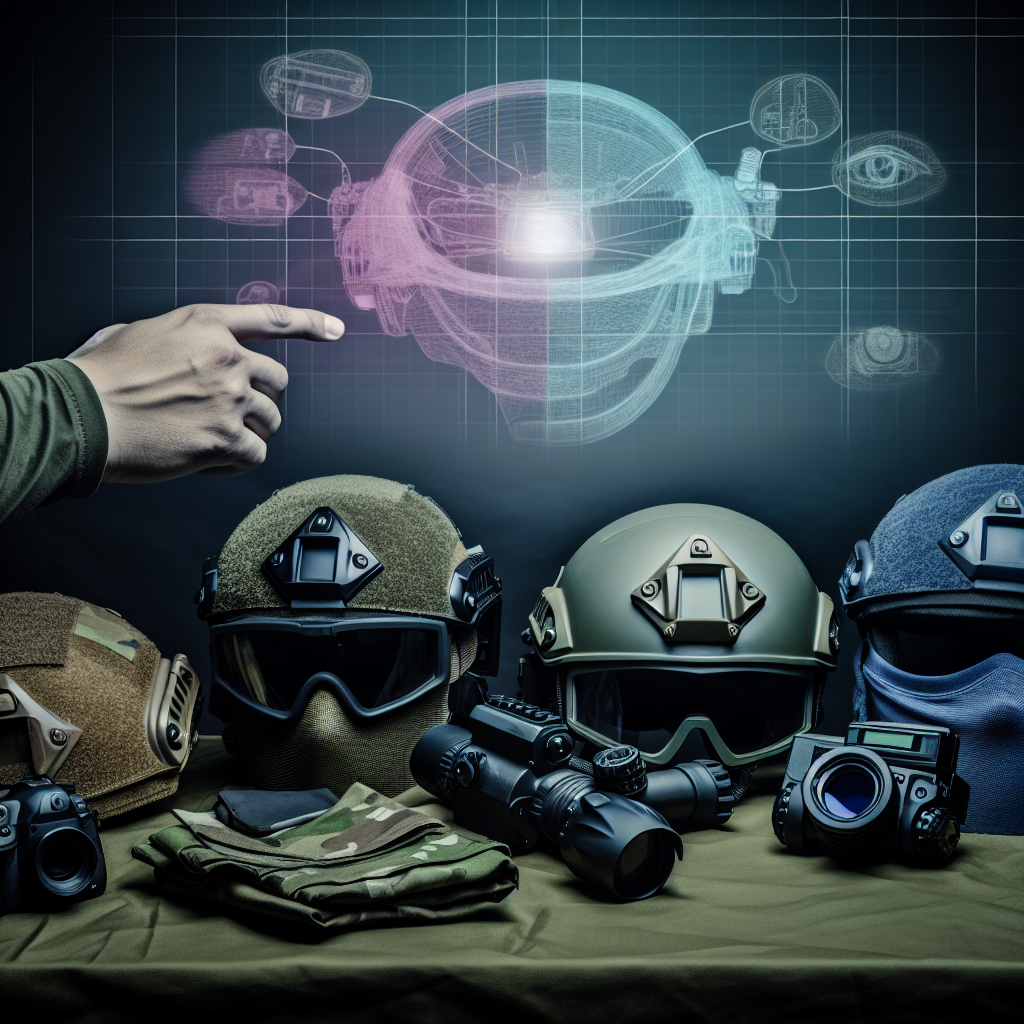
In high-risk environments, whether military operations, law enforcement duties, or extreme outdoor activities, the importance of a reliable tactical helmet cannot be overstated. A tactical helmet serves as the first line of defense against ballistic threats, blunt force trauma, and environmental hazards. Choosing the right tactical helmet is a complex decision involving various factors such as protection level, comfort, compatibility with gear, and weight.
This comprehensive guide will walk you through the essential considerations when selecting a tactical helmet to ensure maximum protection and operational efficiency.
Understanding Tactical Helmets: Purpose and Types
Before diving into specific features, it is crucial to understand what a tactical helmet is designed for and the different types available on the market.
A tactical helmet is engineered primarily to protect the wearer’s head from ballistic threats (bullets and shrapnel), impact injuries (blunt force trauma), and environmental dangers such as debris or extreme weather conditions. Unlike recreational helmets (like cycling helmets), tactical helmets are designed for combat or tactical scenarios where durability and multi-threat protection are critical.
There are several main types of tactical helmets:
- Ballistic Helmets: Made from materials like Kevlar or ultra-high-molecular-weight polyethylene (UHMWPE), these helmets offer protection against bullets and fragmentation.
- Non-Ballistic Helmets: Often constructed from hard plastics or composite materials; they provide impact protection but no ballistic resistance. These are commonly used in training or less hostile environments.
- Modular Helmets: Feature attachments such as face shields, night vision mounts, or mandible guards that can be added or removed depending on mission needs.
- Lightweight Helmets: Designed for mobility with reduced weight but may compromise some protection levels.
Understanding these categories helps in narrowing down your choice based on the intended use.
Key Factors to Consider When Choosing a Tactical Helmet
Selecting a tactical helmet involves evaluating multiple parameters that directly affect performance, comfort, and safety. Below are the critical factors to consider:
1. Protection Level and Certification
The primary function of any tactical helmet is to protect against ballistic threats and impact injuries. Therefore, it’s vital to choose helmets that meet recognized safety standards. Some important certifications include:
- NIJ Standard 0106.01: Set by the National Institute of Justice (NIJ), this standard classifies ballistic helmets by their ability to stop specific projectiles at defined velocities.
- MIL-STD-662F: U.S. Military standard for ballistic testing of personal armor components.
- CEN EN 397 / EN 12492: European standards mainly focused on industrial helmets but sometimes referenced in certain tactical applications for impact resistance.
A good example is the Advanced Combat Helmet (ACH) used by U.S. Army forces which meets NIJ Level IIIA standards — capable of stopping most handgun rounds and shell fragments while providing blunt trauma protection.
2. Material Composition
The material used in manufacturing determines both protection capability and weight. Common materials include:
- Kevlar: Aramid fiber known for high tensile strength-to-weight ratio; commonly used in ballistic helmets due to its durability and resistance to heat.
- Ultra-High-Molecular-Weight Polyethylene (UHMWPE): Offers lighter weight with comparable ballistic resistance; becoming increasingly popular in modern helmets.
- Carbon Fiber Composites: Provide excellent strength-to-weight ratio but usually at a higher cost.
The trade-off between weight and protection is crucial — heavier helmets may offer better protection but can cause fatigue during extended wear. For instance, UHMWPE-based helmets tend to weigh around 1.2-1.4 kg compared to Kevlar helmets that may weigh slightly more.
3. Fit and Comfort
A helmet that doesn’t fit properly undermines its protective capabilities and can cause discomfort or distraction during critical moments. Consider these aspects when evaluating fit:
- Sizing Options: Most manufacturers offer multiple sizes or adjustable padding systems to customize fit.
- Padded Interior Liners: Help absorb shock while improving comfort over long periods.
- Adjustable Suspension Systems: Enable fine-tuning around the circumference and chin strap tension for secure wear without pressure points.
A study published by the Journal of Head Trauma Rehabilitation indicated that improper helmet fit significantly increases the risk of injury by allowing excessive movement during impact events. Testing helmets personally before purchase or consulting sizing charts carefully is recommended.
4. Weight Distribution and Balance
The overall balance of the helmet affects user endurance and neck strain during prolonged operations. Lightweight designs reduce fatigue but should not sacrifice essential protective qualities.
The shape also contributes to aerodynamic efficiency — low-profile helmets reduce snag hazards when navigating confined spaces or vegetation.
5. Compatibility With Accessories
Tactical operations often require integration with other equipment such as night vision goggles (NVGs), communication headsets, cameras, or face shields.
Features enhancing compatibility include:
Choosing the right tactical helmet is crucial for ensuring safety and effectiveness in the field.