How to Plan an Escape Route in Dangerous Situations
In an unpredictable world, the ability to plan an effective escape route during dangerous situations can be a life-saving skill. Whether faced with natural disasters, active shooter events, or other emergencies, having a well-thought-out plan enhances your chances of survival and minimizes panic. This article delves into practical strategies, real-world examples, and critical considerations for planning escape routes that can help you navigate crises safely and efficiently.
Understanding the Importance of Escape Route Planning
Escape route planning is more than just knowing where the exits are; it involves anticipating potential hazards, assessing your environment, and preparing mentally and physically for rapid evacuation. According to the National Fire Protection Association (NFPA), 70% of fire-related fatalities occur because people failed to evacuate promptly or did not have a clear escape plan. This statistic underscores why proactive planning is essential.
In dangerous situations such as natural disasters (earthquakes, floods), civil unrest, or violent attacks, confusion and chaos can overwhelm even the most composed individuals. Having a predetermined route reduces decision-making time under stress, helping you move quickly and avoid bottlenecks or dangerous areas.
Key Elements of an Effective Escape Route Plan
Crafting a successful escape route involves several core elements that ensure flexibility, safety, and accessibility. These components should be tailored to your specific environment—whether at home, work, or public spaces.
- Multiple Exit Points: Always identify more than one way out. If your primary exit is blocked or unsafe, secondary options become crucial.
- Clear Pathways: Ensure routes are free from obstacles that could slow you down during evacuation.
- Safe Assembly Areas: Designate safe meeting points outside the danger zone where everyone can regroup after escaping.
- Accessibility Considerations: Plan routes that accommodate all individuals involved—including children, elderly family members, or those with disabilities.
- Communication Plans: Decide how you will communicate with others during and after evacuation—this could include mobile phones, walkie-talkies, or pre-arranged signals.
- Regular Practice: Rehearse the escape plan periodically to build muscle memory and reduce panic during real emergencies.
Step-by-Step Guide to Planning Your Escape Route
The following steps provide a structured approach to developing a robust escape route plan applicable to various settings:
1. Assess Your Environment
The first step is a thorough assessment of your surroundings to identify all possible exit points and potential hazards.
- At Home: Map out all doors and windows that can serve as exits. Check if any windows are sealed shut or difficult to open.
- At Work or School: Familiarize yourself with emergency exits and stairwells rather than elevators.
- Public Spaces: Identify emergency exits in theaters, malls, stadiums, etc., noting their locations relative to your seat or position.
A case study from the 2017 Grenfell Tower fire in London revealed many residents were unaware of alternative exits beyond their immediate hallways. This lack of knowledge tragically increased casualties and highlights why comprehensive environmental awareness is vital.
2. Identify Potential Threats and Obstacles
A successful escape plan must anticipate what could hinder your evacuation efforts. For example:
- Naturally Occurring Barriers: Floodwaters blocking roads or debris from earthquakes can limit mobility.
- Crowd Dynamics: In mass panic scenarios like stampedes during terror attacks, bottlenecks near narrow exits are dangerous.
- Tactical Threats: In active shooter situations, understanding safe zones away from line-of-fire is critical (Run-Hide-Fight protocol endorsed by the Department of Homeland Security).
The Boston Marathon bombing in 2013 demonstrated how crowd congestion near finish lines complicated evacuations but also showed how quick-thinking individuals who knew alternative routes avoided harm.
3. Develop Multiple Escape Routes
Diversifying your options increases resilience if one path becomes compromised. When developing multiple routes:
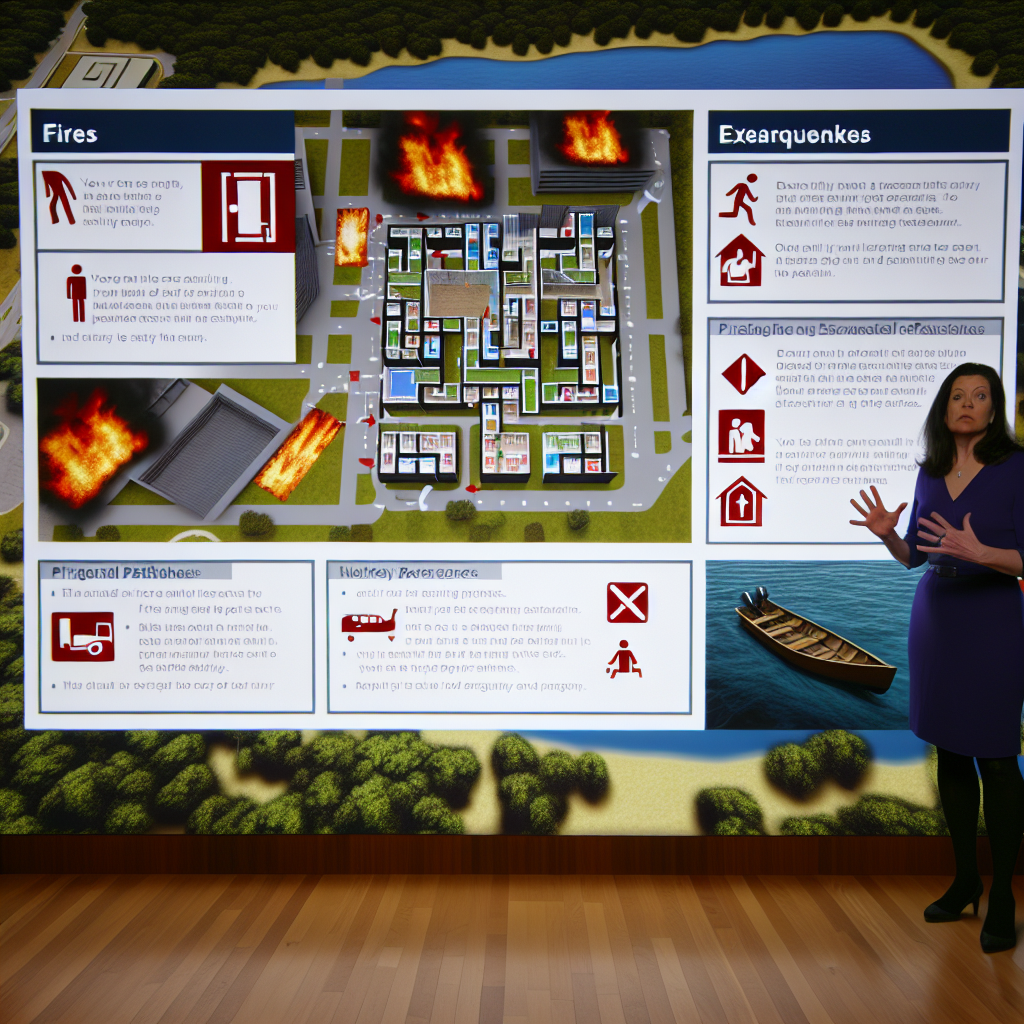
- Create maps or diagrams showing at least two distinct paths from each key location within your environment.
- Avoid routes that converge on a single exit point where crowding could occur.
- If possible, incorporate outdoor paths as alternatives when indoor corridors may be unsafe due to fire or smoke.
An effective example comes from military training where personnel always have primary and secondary extraction points planned before entering hostile zones—a practice adaptable for civilian use in emergencies too.
4. Equip Yourself With Essential Tools and Information
Your escape plan should integrate tools that enhance your ability to execute it effectively:
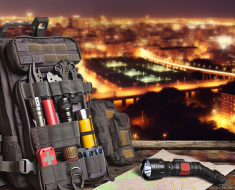
- Emergency Kits: Include items like flashlights, whistles, water bottles, first aid kits, and copies of important documents in easy-to-grab bags near exit points.
- Navigational Aids: Carry maps (digital or paper) showing your planned routes; smartphone apps like “FEMA” or local emergency services apps provide real-time alerts
Navigational Aids: Carry maps (digital or paper) showing your planned routes; smartphone apps like “FEMA” or local emergency services apps provide real-time alerts to keep you informed during a crisis.
By preparing in advance and having a clear escape route, you can significantly increase your chances of safety in dangerous situations.