How to Conduct a Home Security Assessment
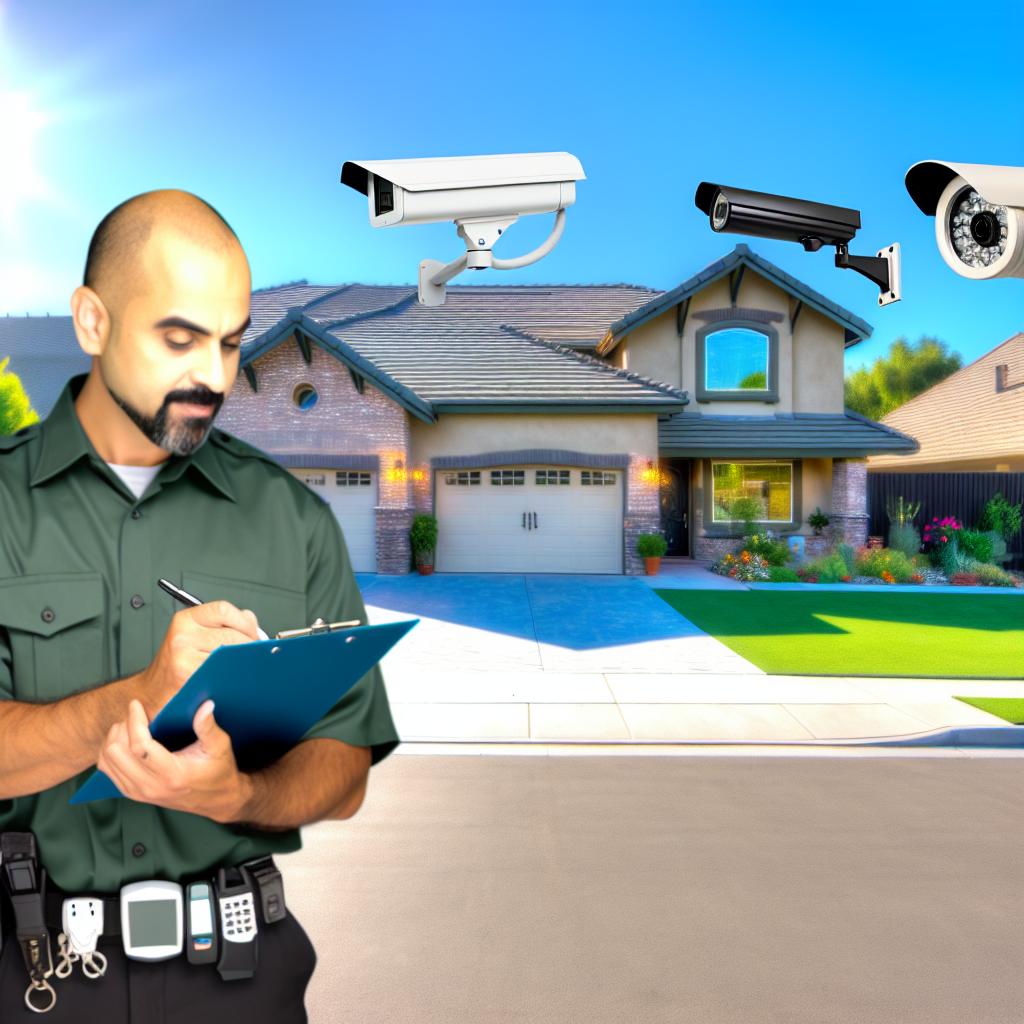
In today’s world, ensuring the safety of your home and loved ones is paramount. With increasing reports of burglaries, break-ins, and property crimes worldwide, a comprehensive home security assessment has become an essential task for every homeowner. Conducting such an evaluation allows you to identify vulnerabilities in your property and implement effective measures to mitigate risks. This article provides a detailed guide on how to conduct a thorough home security assessment, supported by relevant statistics, case studies, and practical examples.
Understanding the Importance of a Home Security Assessment
Before diving into the assessment process, it’s crucial to understand why a home security evaluation matters. According to the FBI’s 2022 Uniform Crime Report, approximately 1.4 million burglaries were reported in the United States alone, with an average loss of $2,799 per incident. Many of these burglaries occur due to easily exploitable weaknesses such as unsecured doors or windows.
A home security assessment helps you:
- Identify physical and technological vulnerabilities
- Develop targeted security improvements
- Reduce the risk of theft or damage
- Increase peace of mind for you and your family
Additionally, insurers often offer discounts for homes with enhanced security systems, making assessments financially beneficial as well.
Step 1: Conducting a Perimeter and Exterior Security Check
The first line of defense in home security is the exterior of your property. Criminals often look for easy entry points around the perimeter before attempting to breach more secure areas.
When assessing the exterior:
- Inspect Doors and Locks: Ensure all exterior doors are made of solid materials like steel or solid wood. Deadbolt locks with at least a one-inch throw bolt are recommended. Avoid simple doorknobs without deadbolts as they can be easily forced open.
- Evaluate Windows: Check all windows for sturdy frames and locks. Consider installing window sensors or laminated glass to prevent break-ins. Sliding windows should have anti-lift devices.
- Assess Lighting: Well-lit exteriors deter intruders by eliminating hiding spots. Motion-activated floodlights around entrances, garages, and dark corners improve visibility significantly.
- Review Landscaping: Overgrown bushes or trees near windows and doors provide cover for burglars. Keep shrubs trimmed below window level and consider thorny plants near vulnerable areas as natural deterrents.
- Check Fences and Gates: Secure fences should be at least six feet tall with locked gates. Chain-link fences can be easily climbed; consider privacy fences made from wood or vinyl for better protection.
Case Study: A study by the University of North Carolina found that homes with exterior lighting were 30% less likely to experience burglary attempts compared to unlit properties. This highlights the tangible impact simple measures like lighting can have on home security.
Step 2: Evaluating Interior Security Measures
The inside of your home also requires attention during a security assessment. Intruders who bypass exterior defenses may attempt to access valuables inside quickly if they find unsecured rooms or storage spaces.
Key interior considerations include:
- Secure Entry Points: Interior doors leading from garages or basements should have robust locks since these can be targeted for quick access inside the house.
- Safe Storage: Use safes bolted to floors or walls for storing valuables like jewelry, important documents, and cash. Fireproof safes provide additional protection against environmental hazards.
- Cameras and Alarm Systems: Install surveillance cameras covering main rooms and entrances. Modern systems can send alerts directly to your phone in case of suspicious activity.
- Sensors and Detectors: Motion sensors placed strategically inside can detect unauthorized movement after hours. Glass-break sensors on windows add another layer of detection against forced entries.
- Avoid Obvious Hiding Spots: Burglars often look behind curtains or under beds for quick stash spots; keep these areas organized but not ideal for concealment.
Example: A homeowner in Chicago installed an integrated smart alarm system coupled with indoor cameras that alerted them immediately when an attempted break-in was detected through a basement window sensor — preventing theft altogether.
Step 3: Reviewing Technological Security Enhancements
The advancement in smart home technology has revolutionized home security options available today. Incorporating technology into your security plan enhances real-time monitoring capabilities while offering convenience.
Main technological upgrades include:
- Smart Locks: These allow keyless entry controlled remotely via smartphones. Features often include temporary guest access codes and automatic locking mechanisms after specified periods.
- CCTV Systems: High-definition cameras with night vision capabilities provide clear footage regardless of lighting conditions. Cloud storage options ensure recordings are safely archived even if cameras are damaged during intrusion attempts.
- Acess Control Systems: Biometric scanners or keypad entry systems add layers beyond traditional keys, reducing risks related to lost or duplicated keys.
- Meteorological Sensors Integration: Some advanced systems integrate weather data which helps adjust
Meteorological Sensors Integration: Some advanced systems integrate weather data which helps adjust security protocols based on environmental conditions, enhancing overall safety.
By implementing these technological advancements, you can significantly improve your home security and peace of mind.