How to Use Tactical Gloves to Enhance Grip and Protection
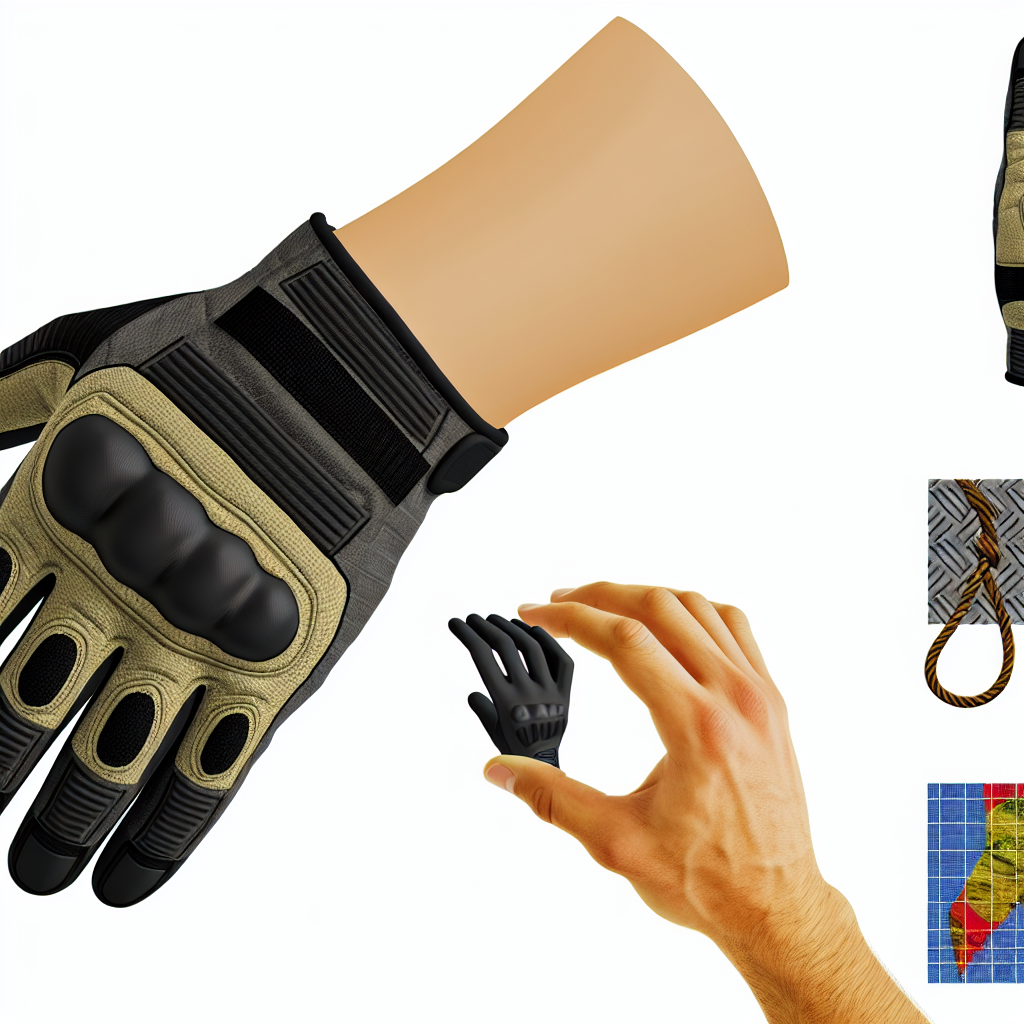
Tactical gloves are an essential piece of gear for professionals and enthusiasts alike, ranging from military personnel and law enforcement officers to outdoor adventurers and construction workers. Designed to provide superior grip, dexterity, and protection, these gloves are more than just hand coverings—they are vital tools that can significantly enhance performance and safety in demanding environments.
In this article, we will explore the multifaceted benefits of tactical gloves, focusing on how to use them effectively to enhance grip and protection. We will delve into the key features that make tactical gloves stand out, practical applications across various fields, and real-world examples demonstrating their value. Whether you’re considering your first pair or looking to maximize the effectiveness of your current gloves, this comprehensive guide offers valuable insights.
Understanding the Core Functions of Tactical Gloves
Before diving into usage tips, it is important to understand what sets tactical gloves apart from regular gloves. Tactical gloves are engineered with specific objectives in mind:
- Enhanced Grip: Specialized materials and textured surfaces improve hold on tools, weapons, or equipment even in wet or slippery conditions.
- Protection: Reinforced padding and cut-resistant fabrics shield the hands from abrasions, impacts, burns, and other injuries.
- Dexterity: Designed to maintain finger flexibility and tactile sensitivity for precise movements.
- Durability: Constructed with robust materials such as Kevlar or synthetic leather that withstand heavy use.
- Comfort: Breathable fabrics and ergonomic designs reduce fatigue during prolonged wear.
The synergy of these features ensures that tactical gloves serve as both a shield and a tool enhancement device. According to a study published by the National Institute for Occupational Safety and Health (NIOSH), workers using protective gloves experienced a 30% reduction in hand injuries compared to those without proper hand protection.1
Selecting Tactical Gloves for Maximum Grip Enhancement
The effectiveness of tactical gloves in improving grip depends largely on their design elements and materials. Here are some critical considerations when choosing gloves focused on grip enhancement:
- Material of the Palm: Many tactical gloves feature palms made from synthetic leather (such as Clarino), rubberized coatings like nitrile or silicone patterns which create friction points enhancing grip strength.
- Textured Surfaces: Raised patterns or reinforced pads on fingertips or palm areas increase contact friction with objects.
- Moisture Management: Gloves incorporating moisture-wicking fabrics prevent sweat accumulation that can reduce grip effectiveness.
- Fit: A snug fit without excessive looseness ensures no slippage inside the glove itself which could compromise control.
A practical example is the Oakley SI Assault Gloves used by military personnel worldwide. These gloves feature silicone print palms that significantly improve weapon handling even under adverse weather conditions.2
Tactical Gloves as Protective Gear: Shielding Your Hands Effectively
The protective capabilities of tactical gloves are paramount in high-risk scenarios. Here’s how these gloves protect your hands across different domains:
- Abrasion Resistance: Reinforced knuckles and palms help prevent skin damage when sliding over rough surfaces or during falls.
- Puncture Resistance: Kevlar liners or high-density fabrics guard against cuts from sharp objects such as glass shards or blades.
- Impact Protection: Padded knuckle guards absorb shocks from blunt force trauma encountered during combat or heavy manual labor.
- Chemical Protection: Some tactical gloves incorporate materials resistant to oils, solvents, or chemicals encountered in industrial environments.
- Thermal Protection: Certain models offer insulation against extreme temperatures—both cold weather exposure and heat hazards like firefighting operations.
A case study involving firefighters during wildfire containment operations demonstrated that those equipped with specialized flame-resistant tactical gloves had a 45% lower incidence of hand burns compared to those using standard work gloves.3
How to Use Tactical Gloves Correctly for Optimal Performance
Mere possession of quality tactical gloves does not guarantee enhanced grip or protection; proper usage techniques matter greatly. Consider these guidelines for maximizing glove performance:
- Select the Right Size: Measure your hand circumference accurately before purchasing. Ill-fitting gloves can either reduce dexterity (if too tight) or slip off easily (if too loose).
- Knotting Lacing and Straps Securely: Many tactical gloves come with adjustable wrist straps—fasten them firmly but comfortably to avoid glove movement during tasks.
- Keeps Hands Dry: Remove moisture buildup inside the glove by periodically taking breaks if possible; wet interiors undermine grip efficiency.
- Avoid Overuse Damage: Rotate between pairs if you use them daily to allow materials time to recover elasticity and maintain protective qualities over time.
- Cleansing Properly: Follow manufacturer instructions for cleaning—many synthetic materials require gentle washing techniques rather than machine drying which can degrade coatings crucial for grip enhancement.
An example from military applications shows that using tactical gloves not only improves grip on weapons but also provides essential protection against environmental hazards.
By following these guidelines, you can ensure your tactical gloves offer the best performance and longevity for any situation.