Essential Tips for Effective Pepper Spray Use
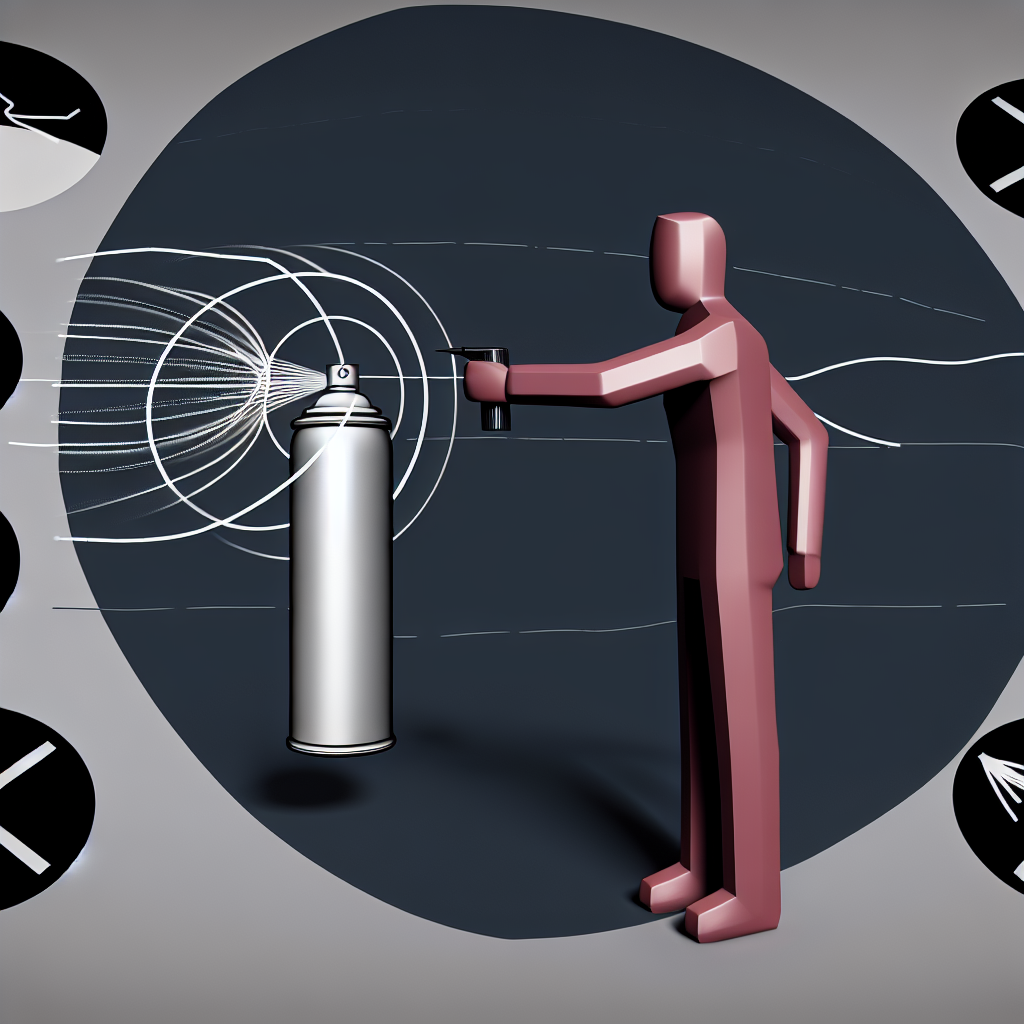
Pepper spray is widely recognized as a powerful self-defense tool, offering an accessible means for individuals to protect themselves in dangerous situations. However, its effectiveness depends significantly on how it is used, stored, and understood. This article delves into essential tips for effective pepper spray use, providing readers with valuable insights supported by real-world examples and relevant statistics.
Understanding Pepper Spray: What It Is and How It Works
Before exploring the tips for effective use, it’s important to understand what pepper spray is and how it functions. Pepper spray, also known as OC (Oleoresin Capsicum) spray, is a chemical compound derived from chili peppers. It causes intense irritation to the eyes, skin, and respiratory system when sprayed on an attacker.
When deployed, pepper spray induces immediate burning sensations in the eyes, causing involuntary closing and temporary blindness. It also triggers coughing, difficulty breathing, and inflammation of mucous membranes. This incapacitating effect typically lasts between 20 to 45 minutes but can vary depending on the concentration of capsaicin (the active ingredient) and the individual’s response.
According to a study published by the National Institute of Justice, pepper spray has been found to be an effective non-lethal weapon in law enforcement encounters, incapacitating suspects without causing permanent harm in over 90% of cases.
Choosing the Right Pepper Spray: Factors to Consider
Selecting an appropriate pepper spray product is crucial for maximizing its effectiveness. Not all sprays are created equal; differences exist in formulation strength, delivery mechanisms, size, and legality. Here are key factors to keep in mind:
- Concentration Level: The potency of pepper spray is measured by the concentration of capsaicin and related compounds (OC%). Most self-defense sprays range from 1% to 10%. Higher concentrations generally produce stronger effects but may be subject to legal restrictions.
- Spray Pattern: Pepper sprays come in various patterns such as stream, cone, fog, or foam. Streams offer longer range (up to 12 feet) with less blowback risk but require greater accuracy. Fog or cone sprays cover a wider area but may affect bystanders or the user if wind conditions are unfavorable.
- Size and Portability: Choose a size that balances ease of carry with sufficient capacity for multiple uses. Small keychain-sized sprays are convenient but often have limited range or volume.
- Legal Considerations: Laws regulating pepper spray possession vary widely between states and countries. Ensure your chosen product complies with local regulations regarding size limits and permissible ingredients.
A notable example comes from New York City’s strict regulations limiting pepper spray canisters to 0.67 ounces with a maximum OC concentration of 2%. Choosing a compliant product prevents legal complications during emergencies.
Proper Handling and Storage for Readiness
Pepper spray must be stored and handled properly to maintain reliability when needed most. Improper storage can lead to malfunction or reduced shelf life.
- Avoid Extreme Temperatures: Exposure to excessive heat or cold can cause pressure changes inside the canister leading to leaks or failure. Keep your spray at room temperature whenever possible.
- Regular Inspection: Periodically check your pepper spray for damage such as dents or corrosion. Verify that safety mechanisms are intact and that no obstructions block the nozzle.
- Shelf Life Awareness: Most sprays have an expiration date ranging from two to four years after manufacture. Using expired sprays risks reduced pressure and chemical potency.
- Accessibility: Store your pepper spray in an easily reachable place where you can quickly retrieve it during an emergency—such as on a keychain or in a purse pocket—but out of reach of children.
The importance of accessibility was underscored in a survey conducted by SafeHome.org which found that individuals who kept their self-defense tools within immediate reach were twice as likely to successfully deter attacks compared to those who stored them out of sight or hard-to-access locations.
Effective Deployment Techniques: Maximizing Impact
Mistakes during deployment can reduce the effectiveness of pepper spray or even put the user at risk. Mastering proper techniques is therefore essential:
- Aim for the Eyes: The primary target area is the attacker’s face—specifically the eyes—to induce temporary blindness and disorientation.
- Maintain Distance: Optimal effective range varies between sprays but generally falls between 6-12 feet. This keeps you out of striking distance while ensuring accuracy.
- Burst Spray Rather Than Continuous Stream: Short bursts conserve product and reduce chances of running out prematurely during an encounter.
- Account for Wind Direction: Always consider wind conditions before spraying outdoors; spraying into the wind risks blowback affecting yourself instead of your attacker.
- Create Space Quickly: After deploying pepper spray, immediately move away from the attacker to avoid retaliation while they are incapacitated.
An illustrative case occurred in Seattle when a woman successfully used her pepper spray against an assailant attempting robbery late at night.
She recalled targeting his face carefully from about eight feet away with short bursts while retreating swiftly—an approach credited by police for its effectiveness in self-defense situations.
By following these tips, you can enhance your safety and confidence when using pepper spray as a self-defense tool.