Cleaning Your Gun After Use with Tracer Rounds: Essential Tips and Best Practices
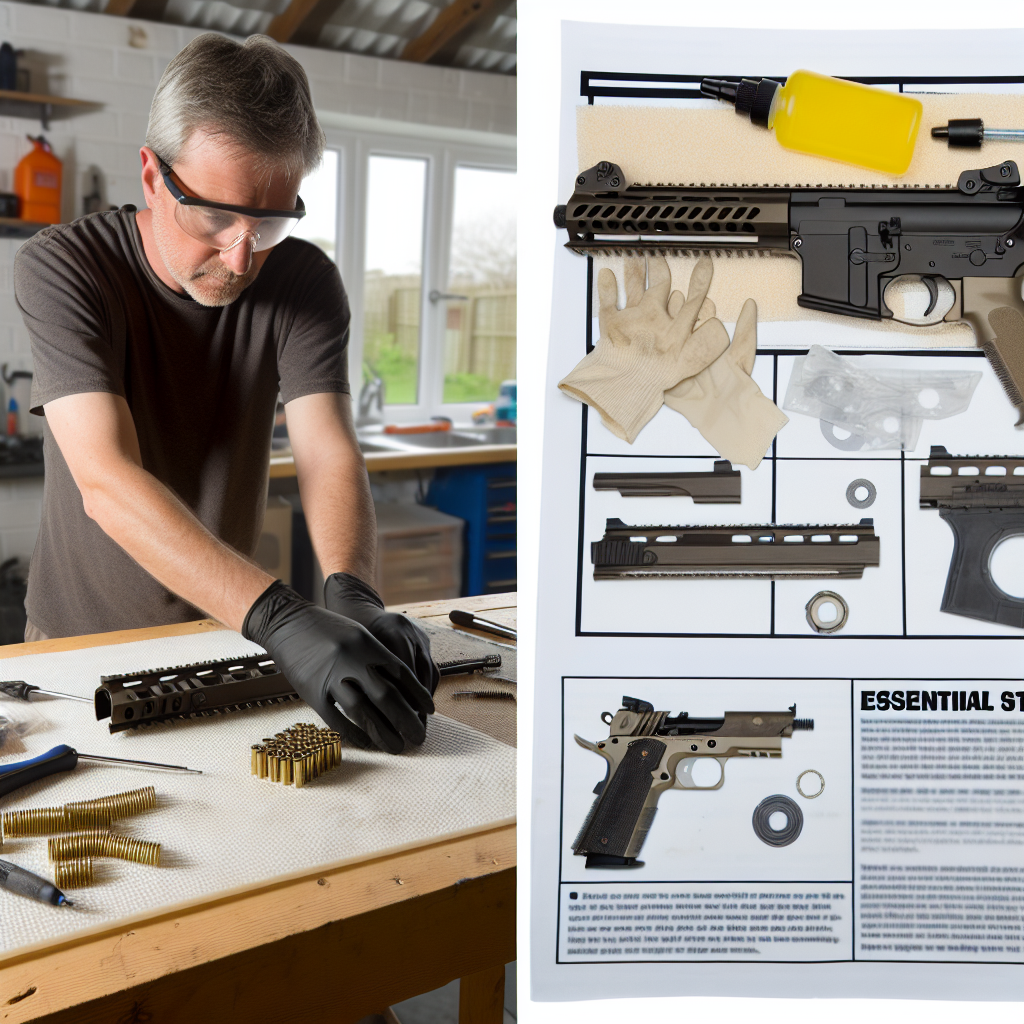
Using tracer rounds in firearms can be an effective way to visually track the trajectory of bullets during shooting exercises, night operations, or training scenarios. However, these specialized rounds introduce unique challenges when it comes to firearm maintenance. The pyrotechnic compounds within tracer rounds can accelerate fouling and corrosion, making proper cleaning after use critical to preserve your weapon’s reliability and longevity.
This article delves into the intricacies of cleaning guns after firing tracer rounds, offering well-researched guidance, practical tips, and insights supported by expert opinions and case studies.
Understanding Tracer Rounds: Composition and Effects on Firearms
Before discussing cleaning techniques, it’s important to understand what tracer rounds are and why they necessitate special attention during maintenance.
Tracer rounds are a type of ammunition designed with a small pyrotechnic charge in their base that ignites upon firing, producing a bright visible trail. This allows shooters to observe bullet trajectories in real-time, which is particularly useful for adjusting aim or coordinating fire.
- Pyrotechnic Compound: The tracer composition typically contains a mixture of metal salts such as strontium or barium compounds combined with an oxidizer like potassium perchlorate.
- High Temperatures: Upon ignition, temperatures can reach over 1,000°C (1,832°F), burning for about 1 second or more depending on the round’s design.
- Chemical Residue: The combustion produces residues that deposit within the barrel and chamber, including corrosive salts and carbon build-up.
This intense heat and chemical residue result in accelerated fouling compared to standard ball ammunition. The corrosive nature of tracer residue means that if left uncleaned, it can lead to rusting or pitting inside the barrel and other metal components.
The Impact of Tracer Residue on Firearm Performance
The use of tracer rounds is not without consequences. Understanding how these residues affect your gun’s performance underscores the necessity for diligent cleaning routines.
- Increased Fouling: The pyrotechnic compounds leave behind sticky carbon deposits combined with corrosive salts that adhere strongly to barrel surfaces.
- Corrosion Risk: Perchlorate-based residues are hygroscopic—they attract moisture—accelerating rust formation if not removed promptly.
- Accuracy Degradation: Barrel fouling can alter bullet trajectories by increasing friction or uneven rifling wear, reducing precision over time.
- Mechanical Wear: Residues accumulating in the action or chamber may cause feeding issues or increased wear on moving parts.
A study conducted by the U.S. Army Research Laboratory highlights that firearms exposed to extended firing sessions with tracer rounds show a measurable decline in accuracy and reliability if cleaning protocols are neglected. This evidence reinforces the critical role proper maintenance plays after such use.
Step-by-Step Guide: How to Clean Your Gun After Using Tracer Rounds
A meticulous cleaning routine is essential to prevent damage caused by tracer residues. Follow these steps for effective post-use maintenance:
1. Safety First: Ensure the Firearm is Unloaded
Never start cleaning unless you have verified the gun is completely unloaded.
- Eject any remaining magazine or ammunition from the firearm.
- Visually inspect the chamber multiple times to confirm no live rounds remain.
2. Field Strip Your Firearm According to Manufacturer Instructions
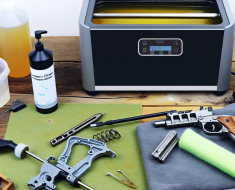
Dismantle your weapon into its major components—typically barrel, bolt/carrier group, slide/upper receiver—allowing access for thorough cleaning.
3. Remove Carbon and Pyrotechnic Residue from Barrel and Chamber
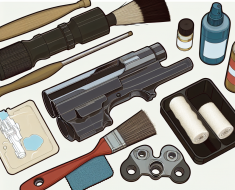
- Bore Cleaning: Use a high-quality bore solvent formulated for removing carbon and copper fouling; many also combat corrosive salts left by tracers.
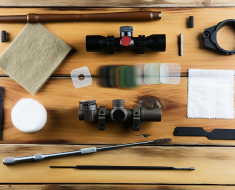
- Patches & Brushes: Run wet patches soaked in solvent through the barrel until patches come out clean.
- Bore Brush: Use a brass or nylon bore brush (depending on barrel material) to scrub stubborn deposits gently but thoroughly.
- Muzzle-to-Chamber Direction: Always push cleaning tools from muzzle toward chamber to avoid damaging rifling near chamber throat.
4. Clean Action Components Thoroughly
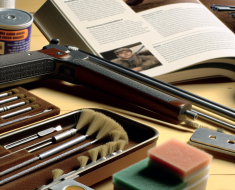
- The bolt carrier group and other moving parts should be wiped down using solvent-soaked brushes or cloths to remove fouling buildup caused by hot gases escaping during firing tracer rounds.
- A toothbrush-style brush helps reach crevices where residue accumulates around extractor arms and gas rings.
5. Apply Corrosion Inhibitor Lubricants
- After cleaning surfaces are dry and free from debris, apply a thin coat of lubricant designed for corrosion protection on all metal parts prone to rusting—especially inside barrels and chambers.
- This step creates a moisture barrier preventing oxidation from lingering perchlorate salts or environmental humidity.
6.
Reassemble and perform a function check to ensure everything operates smoothly before storing your firearm.
Regular maintenance after using tracer rounds will help keep your gun in optimal condition and extend its lifespan.