How to Clean Aftermarket Gun Parts Properly
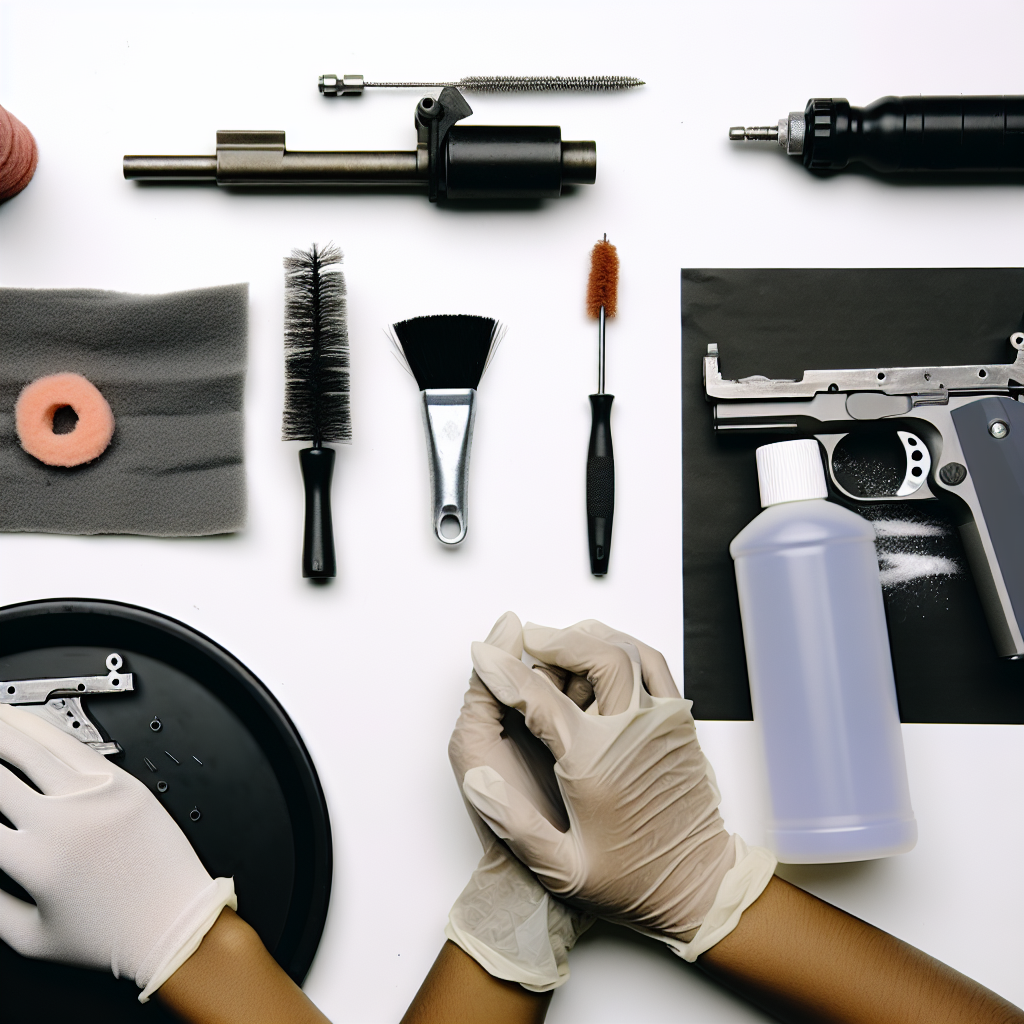
Aftermarket gun parts have become increasingly popular among firearm enthusiasts seeking to customize, upgrade, or maintain their weapons for better performance and reliability. However, these components often require special care to ensure longevity and optimal function. Proper cleaning of aftermarket gun parts is essential not only for safety but also to preserve the investment made in high-quality upgrades. This article explores the best practices for cleaning aftermarket gun parts, highlights common challenges, and provides practical advice supported by real-world examples and expert recommendations.
Understanding Aftermarket Gun Parts and Their Unique Cleaning Needs
Aftermarket gun parts refer to components that are not manufactured by the original equipment manufacturer (OEM) but are designed to fit and function with existing firearms. These can include barrels, triggers, magazines, slides, grips, springs, and more. Because these parts are often made from different materials or have specialized coatings—such as nitriding, Cerakote finishes, titanium nitride coatings, or stainless steel—they can respond differently to conventional cleaning methods.
For example, a custom barrel with a chrome lining may require gentler solvents compared to a standard carbon steel barrel. Similarly, a titanium-coated trigger could be sensitive to abrasive cleaners that might strip its protective layer. Understanding these nuances is crucial before beginning any cleaning regimen.
- Material Composition: Metals like stainless steel resist corrosion better than carbon steel but may still need specific cleaning agents.
- Coatings and Finishes: Protective coatings can be damaged by harsh chemicals or abrasive tools.
- Precision Tolerances: Aftermarket parts often have tighter tolerances requiring careful handling during cleaning.
According to a 2022 survey by the National Shooting Sports Foundation (NSSF), nearly 45% of firearm owners who use aftermarket parts reported encountering issues related to improper maintenance. This statistic underscores the importance of tailored cleaning techniques for these specialized components.
The Essential Tools and Supplies for Cleaning Aftermarket Gun Parts
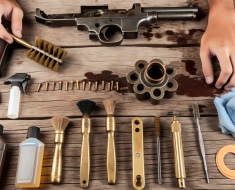
A proper cleaning process begins with having the right tools and supplies on hand. While many items overlap with standard firearm maintenance kits, some additional or specialized products may be necessary for aftermarket parts.
- Synthetic Cleaning Brushes: Nylon brushes are preferred over brass or steel brushes when working with delicate finishes to avoid scratching.
- Quality Solvents and Lubricants: Use solvent formulations recommended by manufacturers or those known for compatibility with specific coatings (e.g., CLP products that combine cleaner, lubricant, and protectant).
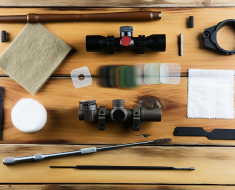
- Microfiber Cloths and Patches: These help prevent abrasion while wiping down surfaces.
- Cleaning Rods with Flexible Jags: To safely clean barrels without causing damage.
- Ultrasonic Cleaner (Optional): Ultrasonic baths can be highly effective in removing dirt from intricate aftermarket parts such as triggers or small springs without manual scrubbing.
A case study conducted by GunTech Magazine in 2023 demonstrated that shooters using ultrasonic cleaners saw a 30% improvement in removing fouling from precision triggers compared to manual brushing alone. This technology not only saves time but also reduces wear on sensitive components.
Step-by-Step Guide: Proper Cleaning Techniques for Common Aftermarket Parts
The process of cleaning aftermarket gun parts can vary depending on the part type and material. Below is a detailed guide tailored for some of the most frequently upgraded components:
1. Barrels
-
Dismantle the barrel carefully according to your firearm’s instructions.
-
Apply a bore solvent specifically designed for your barrel’s material; for instance, use ammonia-based solvents cautiously on chrome-lined barrels as they might degrade the lining over time.
-
Use a nylon bore brush attached to a flexible cleaning rod to scrub the interior gently.
-
Run clean patches through the barrel until they come out clean and free of residue.
-
Lightly oil the bore with an appropriate lubricant if storing the firearm long-term.
2. Triggers and Internal Mechanisms
-
If possible, remove triggers or internal components carefully to avoid losing small springs or pins.
-
Avoid aggressive solvents; instead, opt for mild CLP products that clean while lubricating simultaneously.
-
If available, use an ultrasonic cleaner filled with warm water mixed with a small amount of mild detergent; this removes debris from intricate mechanisms without damage.
-
Dry all parts thoroughly using compressed air or lint-free cloths before reassembly.
3. Slides and Frames with Coatings (Cerakote/Titanium Nitride)
-
Avoid abrasive brushes; microfiber cloths dampened with solvent should suffice in most cases.
-
If stubborn residue exists around slide rails or recesses, gently clean using soft nylon brushes dipped in solvent.
-
Avoid soaking coated parts in harsh chemicals which could degrade surface integrity over time.
The key principle is to maintain the integrity of the parts while ensuring they are thoroughly cleaned. Regular maintenance will prolong the life of your aftermarket gun parts.
By following these guidelines, you can ensure your firearm remains in optimal condition for years to come.