The Importance of Lubrication in Gun Maintenance
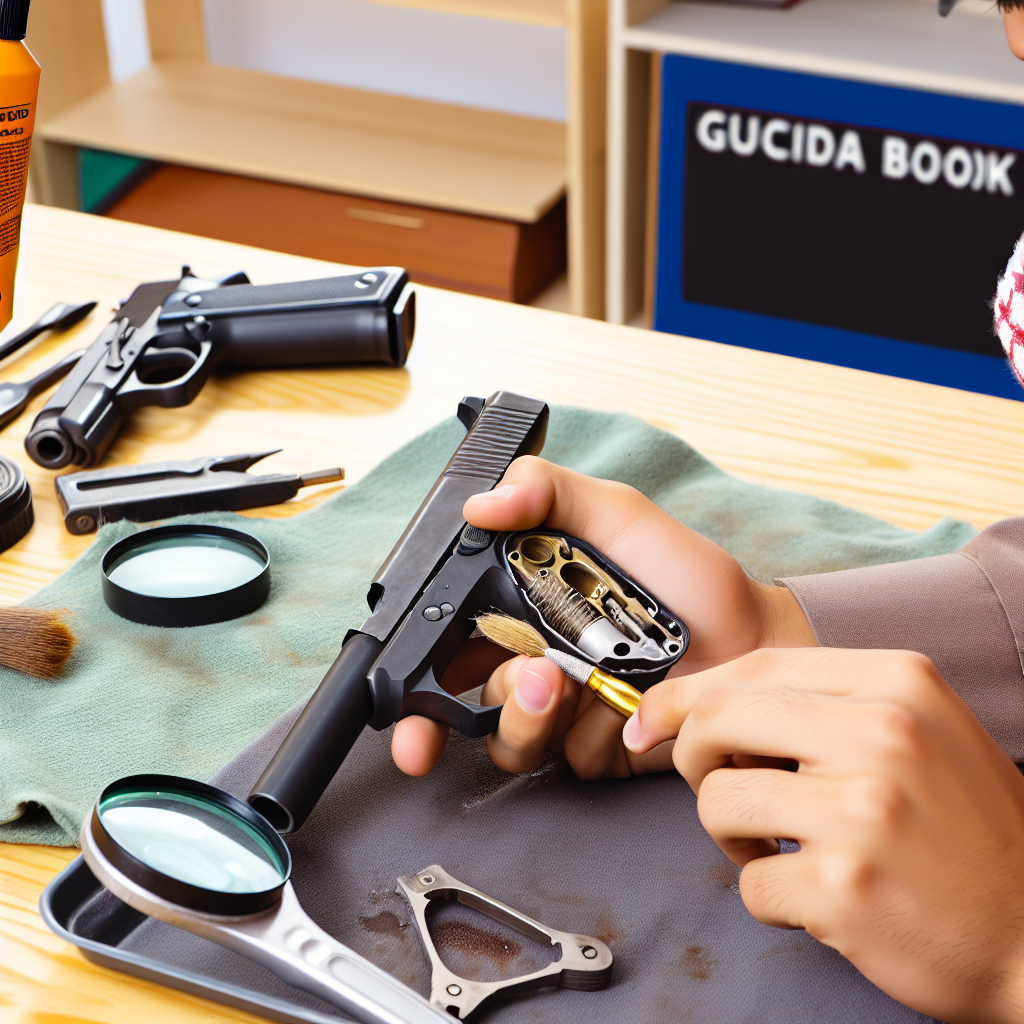
Proper maintenance is crucial for ensuring the reliability, safety, and longevity of firearms. Among the various aspects of gun care, lubrication stands out as one of the most essential yet often misunderstood components. Without adequate lubrication, firearms can suffer from increased wear, malfunction, and even dangerous failures. This article explores the critical role that lubrication plays in gun maintenance, offering insights backed by research, expert opinions, and practical examples.
Understanding the Role of Lubrication in Firearms
At its core, lubrication reduces friction between moving parts within a firearm. Firearms are intricate mechanical devices with multiple components that slide, rotate, or pivot during operation. When these parts move against each other without proper lubrication, friction generates heat and accelerates wear.
The primary purposes of lubrication in guns include:
- Reducing friction: Minimizes wear on metal surfaces to extend component life.
- Preventing corrosion: Creates a protective barrier against moisture and contaminants.
- Enhancing reliability: Ensures smooth cycling to reduce malfunctions such as jams or misfeeds.
- Easing cleaning: Helps dissolve carbon deposits and fouling for easier maintenance.
Without adequate lubrication, even high-quality firearms can experience premature failure or unreliable operation. This is especially critical in high-stress scenarios such as law enforcement or military use where weapon performance can be a matter of life and death.
The Science Behind Gun Lubricants
Not all lubricants are created equal. The unique conditions inside a firearm — including high pressure, rapid movement, heat generation, and exposure to powder residue — require specialized formulations designed specifically for guns.
Gun lubricants typically fall into several categories:
- Oils: Thin liquids that provide excellent penetration into small parts but may evaporate quickly or attract dirt.
- Greases: Thicker substances that stay in place longer and offer better protection under heavy loads but may impede fine movements if over-applied.
- Dry lubricants: Substances like graphite or molybdenum disulfide that reduce friction without attracting dust or dirt.
The choice of lubricant depends on factors such as climate (temperature and humidity), firearm type (handgun vs. rifle), and intended use (range shooting vs. tactical deployment). For instance, military-grade lubricants often contain additives to resist water washout and extreme temperatures.
A 2019 study published by the Journal of Materials Engineering demonstrated that molybdenum disulfide-based lubricants reduced metal-to-metal wear by up to 40% compared to traditional oils under simulated firing conditions. Such findings highlight how modern formulations improve firearm durability significantly.
The Consequences of Neglecting Proper Lubrication
Failing to properly lubricate a firearm can lead to a range of issues that affect both performance and safety. Some common problems associated with poor lubrication include:
- Increased wear and tear: Friction causes metal surfaces to degrade faster, resulting in costly repairs or replacement parts.
- Malfunctions: Sticking bolts, failure to feed rounds properly, stovepipes (spent casings getting stuck), and failure to eject spent cartridges can occur due to increased friction or fouling buildup.
- Corrosion and rust: Moisture trapped on unlubricated surfaces leads to oxidation which weakens metal integrity over time.
- Diminished accuracy: Excessive friction or debris buildup can alter barrel harmonics affecting shot precision.
A notable example occurred during the early stages of the Iraq War when reports surfaced about M16 rifles jamming frequently in desert environments. Investigations revealed improper maintenance practices were partly responsible; soldiers lacked proper lubrication guidance leading to increased malfunctions under harsh conditions. This case underscores how critical correct lubrication is for operational readiness in demanding environments.
Lubrication Best Practices for Firearm Owners
Lubrication is not simply about slathering oil over every part indiscriminately. Applying too much lubricant can attract dust and debris causing gum-ups; too little leaves parts vulnerable to damage. The following best practices help ensure effective lubrication:
- Clean before lubricating: Always thoroughly clean your firearm first using appropriate solvents to remove carbon fouling, powder residue, and old oils before applying new lubricant.
- Select the right lubricant: Match your lubricant choice with your firearm type and environment — consult manufacturer recommendations whenever possible.
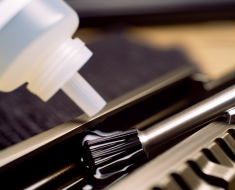
- Apply sparingly but adequately: Use small amounts on critical contact points like slide rails, bolt carrier groups, trigger components, and hinges. Avoid excess pooling which attracts dirt.
- Lubricate regularly: Frequency depends on usage; routine range shooting might require lubrication after every outing while less frequent shooters should maintain their guns at least twice per year or after storage periods.
- Inspect frequently: Check moving parts during cleaning sessions for signs of wear or insufficient lubrication such as dry spots or unusual noises during cycling.
A practical tip from professional gunsmiths is using a cotton swab to apply lubricant precisely in tight areas where fingers can’t reach, ensuring thorough coverage without excess. Regular maintenance and proper lubrication will enhance your firearm’s performance and longevity.