Essential Tips for Cleaning Hunting Rifles
Maintaining a hunting rifle in optimal condition is crucial for ensuring accuracy, reliability, and longevity of the firearm. Whether you are a seasoned hunter or a novice, understanding the proper techniques and best practices for cleaning your hunting rifle can dramatically improve your shooting experience and safety. This comprehensive guide provides essential tips on how to clean hunting rifles effectively, backed by expert advice, practical examples, and statistics that underscore the importance of regular maintenance.
The Importance of Regular Cleaning for Hunting Rifles
Cleaning your hunting rifle is not just about aesthetics; it is fundamental to the firearm’s performance. Over time, residue from gunpowder, dirt, moisture, and other debris accumulates inside the barrel and action. This buildup can cause corrosion, reduce accuracy, and increase the risk of malfunction.
According to a study conducted by the National Shooting Sports Foundation (NSSF), more than 70% of firearm malfunctions are related to poor maintenance and cleaning practices. Additionally, rust and corrosion damage account for nearly 40% of firearms being rendered unusable prematurely. These statistics highlight why hunters must prioritize routine cleaning after every use or at regular intervals if the rifle is stored.
Moreover, hunting rifles often endure harsh environments — from wet forests to dusty plains — which exacerbate wear and tear. A clean rifle ensures:
- Consistent accuracy during hunts
- Reduced risk of jams or misfires
- Extended lifespan of the firearm
- Enhanced safety for the user
Gathering the Right Tools and Supplies
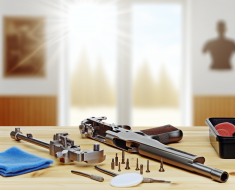
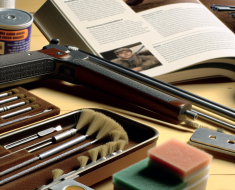
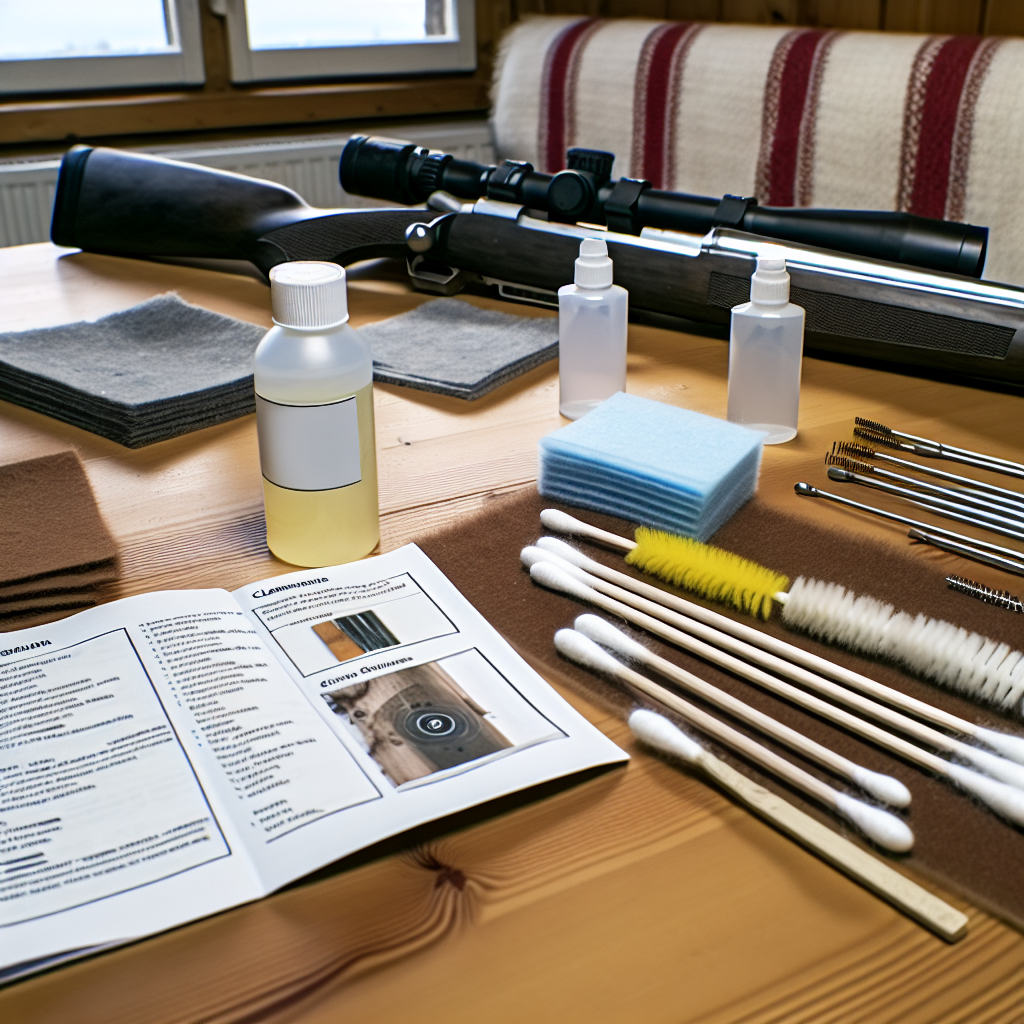
Before you begin cleaning your hunting rifle, it’s essential to have all necessary tools at hand. Using improper equipment or makeshift tools can cause damage to delicate parts or fail to remove stubborn residues.
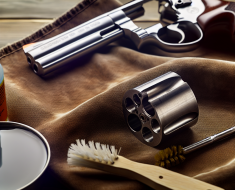
Here is a checklist of recommended supplies:
- Bore Brush: Brass or nylon brushes sized appropriately for your rifle caliber help loosen carbon deposits inside the barrel.
- Cleaning Rod: A durable rod with interchangeable attachments allows thorough cleaning without damaging rifling.
- Patches: Cotton patches absorb solvents and oils; using quality patches prevents fibers from being left behind.
- Cleaning Solvent: Specialized solvents break down powder residue and fouling effectively.
- Lubricating Oil: Proper oiling protects metal surfaces from rust and ensures smooth mechanical operation.
- Nylon Brushes & Toothbrushes: For scrubbing smaller parts like bolt carriers and trigger assemblies.
- Cotton Swabs & Microfiber Cloths: Useful for detailed cleaning in hard-to-reach areas.
- Gun Mat or Cleaning Station: Protects surfaces and organizes components during disassembly.
Selecting high-quality products designed specifically for firearms will ensure optimal results while safeguarding your investment.
Step-by-Step Guide to Cleaning Your Hunting Rifle
A systematic approach prevents overlooking critical areas during cleaning. Below is a detailed procedure that covers all essential steps:
1. Safety First: Unload Your Rifle
The foremost rule before any firearm maintenance is ensuring it is completely unloaded. Remove ammunition from the chamber and magazine, then visually inspect the barrel to confirm no rounds remain inside.
2. Disassemble According to Manufacturer Instructions
Your rifle’s design dictates how it should be taken apart for cleaning. Consult the owner’s manual to disassemble only as far as necessary — usually removing the bolt or separating the barrel from stock suffices. Over-disassembly can lead to unnecessary complications or loss of small parts.
3. Clean the Bore Thoroughly
-
Saturate a patch with solvent and run it through the barrel using a cleaning rod from breech end to muzzle (never reverse direction as it may damage rifling).
-
Attach a bore brush soaked in solvent and scrub vigorously about 10-15 times to loosen fouling.
-
Run clean patches repeatedly until they come out free of residue (usually takes several passes).
4. Clean Other Metal Parts
-
Use nylon brushes dipped in solvent to scrub bolt faces, chamber areas, trigger mechanisms, and other metal components where carbon builds up.
-
Cotton swabs help reach tight crevices without damaging delicate parts.
5. Inspect Components for Damage or Wear
This step is critical — look for cracks, corrosion spots, or excessive wear that could compromise function or safety. Early detection allows timely repairs before problems escalate in the field.
6. Apply Lubrication Sparingly
A light coating of gun oil on metal surfaces prevents rust but avoid over-lubricating as excess oil attracts dirt and can impair functioning. Focus on moving parts such as bolts, hinges, and springs based on manufacturer recommendations.
7. Reassemble Your Rifle Carefully
Follow instructions precisely when putting your rifle back together to ensure all parts fit correctly without forcing anything into place.
By following these essential cleaning tips, you can maintain your hunting rifle in optimal condition, ensuring reliability and longevity in the field.