Common Gun Cleaning Myths Debunked
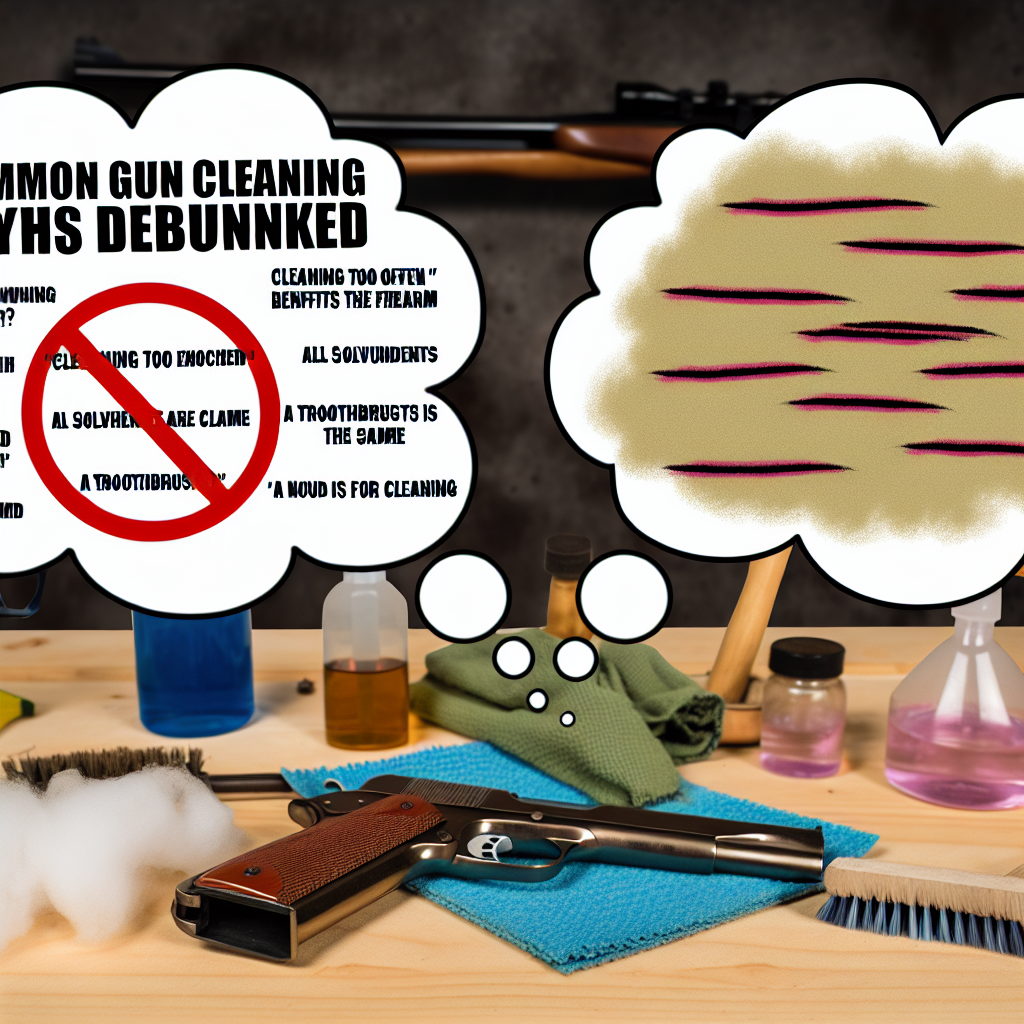
Maintaining a firearm is crucial for its longevity, reliability, and safety. However, amidst the various advice circulating in gun communities and online forums, several myths about gun cleaning have taken root. These misconceptions can lead to improper maintenance, potentially compromising firearm performance or even causing damage. In this article, we will explore some of the most prevalent gun cleaning myths, debunk them with factual information, and provide practical guidance backed by research and expert opinions.
Myth 1: You Must Clean Your Gun After Every Single Shot
One of the most common pieces of advice new gun owners receive is that they must clean their firearm after every single shot. This myth stems from the desire to keep guns in pristine condition but can lead to unnecessary wear on both the gun and its components.
Why this myth persists:
- Belief that residue buildup is immediate and dangerous.
- Overestimation of how quickly fouling affects performance.
- Influence of overly cautious training or anecdotal horror stories.
The reality:
Modern firearms are designed to tolerate a significant amount of fouling before accuracy or reliability is compromised. For example, many competitive shooters fire hundreds or thousands of rounds during practice without cleaning between each session. According to the National Rifle Association (NRA), typical range use may only require cleaning after a few hundred rounds or when you notice signs of fouling affecting function.
Case Study: A study published in the Journal of Forensic Sciences demonstrated that semi-automatic pistols could reliably fire over 500 rounds without cleaning before any notable decline in performance occurred. This indicates that while routine maintenance is necessary, excessive cleaning after every shot is not only impractical but also unnecessary.
Myth 2: Using Excessive Oil Will Improve Gun Performance
A widespread misconception is that more lubrication equates to better gun function. Many shooters apply copious amounts of oil to their firearms believing it reduces friction and prevents wear.
The truth about lubrication:
- Excess oil attracts dirt, dust, and debris which can cause malfunctions.
- Too much oil can interfere with the mechanical action by creating sticky residues.
- Modern firearms often require only a thin film of lubricant on moving parts.
Expert Insight:
Gunsmiths universally agree that over-lubrication is a common cause of malfunctions. For instance, Jeff Quinn, a renowned gunsmith featured in Shooting Times, advises using just enough lubricant to create a light sheen on parts like the slide rails and bolt carrier group rather than dousing them in oil. Excessive oil can collect grime from firing residue and environmental contaminants leading to jams or failures to feed.
Myth 3: You Should Use Household Cleaners Instead of Proper Gun Solvents
This myth can be especially dangerous as many gun owners resort to using household products such as WD-40, dish soap, or even brake cleaner when they don’t have access to dedicated gun cleaning supplies.
The risks involved include:
- Damaging firearm finishes or internal components due to harsh chemicals.
- Ineffective removal of powder residues and carbon fouling.
- Lack of proper lubrication after cleaning leading to corrosion.
The recommended approach:
Gun-specific solvents are formulated to safely dissolve powder residue, copper fouling from bullets, and carbon deposits without harming metal surfaces or polymer frames. Brands like Hoppe’s No. 9, Break-Free CLP (Cleaner-Lubricant-Protectant), and M-Pro7 are industry standards tested for effectiveness and safety. Using these products ensures thorough cleaning while preserving your firearm’s integrity over time.
Myth 4: Brass Brushes Are Always Safe for Cleaning Rifling
The rifling inside a barrel is delicate and critical for accuracy; thus, some shooters believe brass brushes are ideal because they are softer than steel brushes yet still effective at scrubbing fouling away. However, this belief can be misleading depending on how brushes are used.
The facts about brass brushes:
- If used aggressively or too frequently, brass brushes can wear down rifling edges prematurely.
- Copper fouling requires specific solvents rather than just mechanical scrubbing for effective removal.
- Nylon brushes combined with proper solvents often suffice for regular maintenance without risking damage.
Expert opinion:
A report from the U.S. Army Marksmanship Unit highlights that while brass brushes are less abrasive than steel ones, repeated use—especially with excessive force—can erode barrel lands and grooves over time. They recommend using nylon brushes for routine cleaning combined with copper-removing solvents as a safer alternative unless heavy fouling necessitates brass brushing carefully done by experienced users.
Myth 5: Dry Firing Damages Your Firearm If Done Without Dummy Rounds
Dry firing—the practice of pulling the trigger on an unloaded firearm—is often discouraged by some who claim it damages internal parts unless you use snap caps (dummy rounds).
However, many modern firearms are designed to withstand dry firing without significant risk of damage. It’s always best to consult your firearm’s manual for specific guidance on this practice.
Understanding these myths can help you maintain your firearm more effectively and safely.