The Ultimate Guide to Cleaning Shotguns
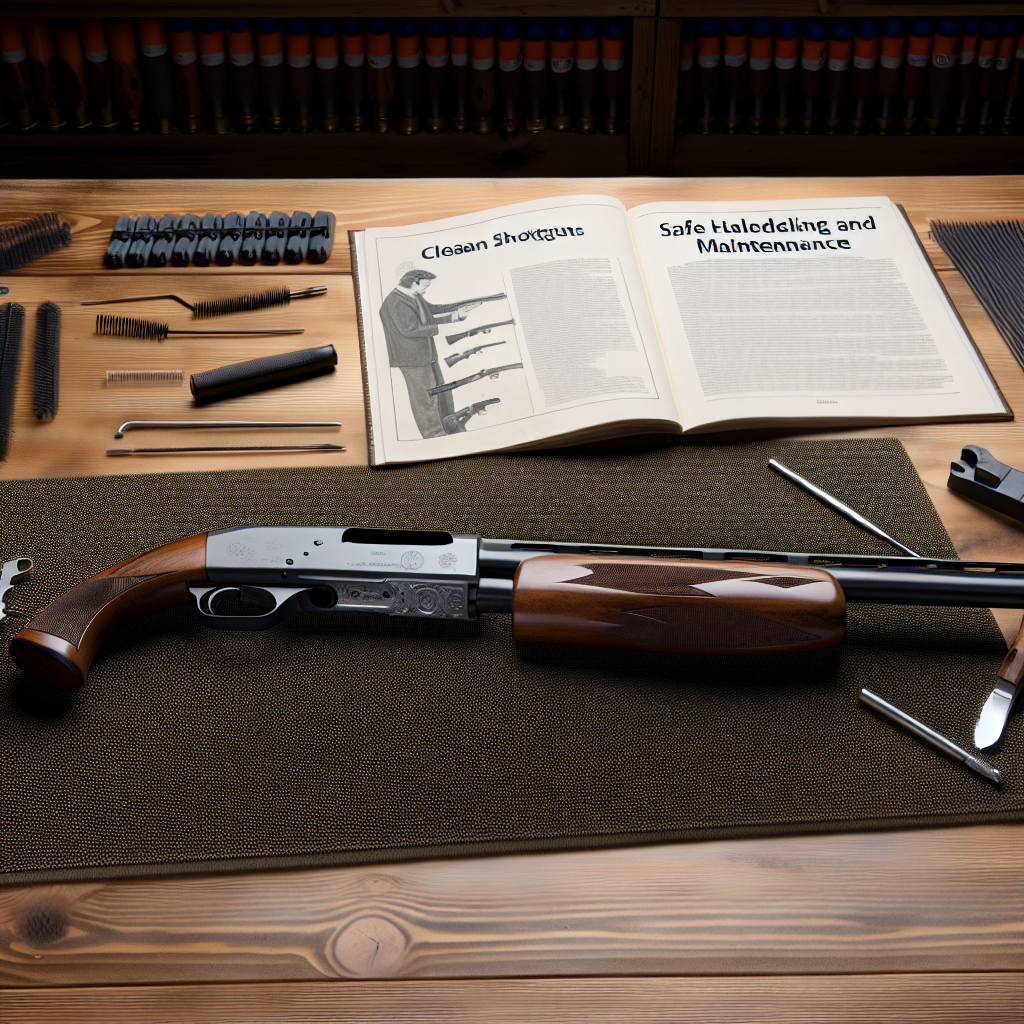
Maintaining a shotgun is essential not only for its longevity but also for ensuring safety, accuracy, and reliability during use. Whether you are a seasoned hunter, sport shooter, or a firearm enthusiast, understanding the proper cleaning techniques can save you from malfunctions and costly repairs. This comprehensive guide delves into the best practices for cleaning shotguns, supported by expert advice, scientific insights, and practical tips.
Why Regular Cleaning of Your Shotgun Is Crucial
Shotguns are subjected to harsh conditions every time they are fired. The combustion of gunpowder generates residues such as carbon fouling and lead deposits that accumulate inside the barrel and action. These residues can degrade performance and increase wear.
- Reliability: A clean shotgun is less likely to jam or misfire, which is vital during hunting or competitive shooting.
- Accuracy: Residue buildup affects the barrel’s internal dimensions, potentially impacting shot patterns and precision.
- Longevity: Moisture trapped inside can cause rust and corrosion, leading to permanent damage over time.
- Safety: Excessive fouling can cause dangerous pressure build-ups or barrel obstructions that may result in accidents.
A study published by the National Shooting Sports Foundation (NSSF) indicates that firearms cleaned regularly last significantly longer and perform better under repeated use compared to those neglected.
Essential Tools and Supplies for Cleaning Your Shotgun
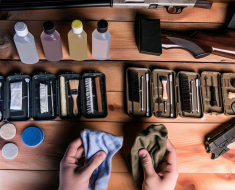
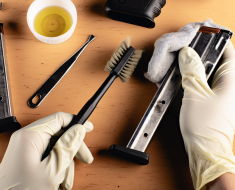
Before starting the cleaning process, it’s important to gather all necessary materials. Using the right tools not only makes the job easier but also prevents unintentional damage to your firearm.
- Cleaning Rod: Preferably one with a brass or nylon tip to avoid scratching the barrel’s interior.
- Bore Brushes: Different sizes and materials (bronze or nylon) designed to scrub out fouling effectively.
- Patches: Cotton patches help remove loosened debris after brushing.
- Cleaning Solvent: Specifically formulated for shotguns; these break down carbon, lead, and powder residues.
- Gun Oil/Lubricant: Prevents rusting and ensures smooth operation of moving parts.
- Nylon Brushes: For scrubbing smaller parts like the action or trigger mechanism.
- Microfiber Cloths: Used for wiping down external surfaces without scratching finishes.
- Punches & Screwdrivers: For disassembling certain components safely if necessary.
A well-equipped cleaning kit tailored for your specific shotgun model will streamline the process considerably.
The Step-by-Step Process of Cleaning a Shotgun
The procedure varies slightly depending on whether you have a pump-action, semi-automatic, or break-action shotgun. However, these general steps apply universally to ensure thorough maintenance:
1. Safety First: Unload and Inspect
“Always treat every firearm as if it is loaded,” is an axiom in gun safety. Before cleaning, visually check and physically inspect the chamber and magazine tube to ensure no shells remain inside. Remove all ammunition from the area to prevent accidents.
2. Field Strip Your Shotgun
If your model allows partial disassembly without tools (field stripping), separate the barrel from the receiver and remove any easily detachable parts such as bolt assemblies or fore-ends. Consult your owner’s manual for specific instructions—improper disassembly may void warranties or cause damage.
3. Clean the Barrel
- Apply solvent: Dip a bore brush in cleaning solvent and run it through the barrel several times using a cleaning rod. This loosens fouling deposits inside.
- Patches through bore: Follow up with clean cotton patches until they come out spotless. This may take multiple passes depending on how dirty the barrel is.
- Bore snake alternative: For convenience, some shooters prefer bore snakes which combine brushing and patching in one pull-through motion. These are effective but should be used carefully to avoid leaving debris behind.
A report from Guns & Ammo magazine emphasizes that proper barrel maintenance can improve shot pattern consistency by up to 30%, critical for waterfowl hunters relying on tight spreads at varying distances.
4. Clean Other Components
- Bolt assembly & action: Use nylon brushes dipped in solvent to scrub away carbon buildup in hard-to-reach areas like bolt faces, ejectors, and gas ports (for semi-autos).
- Trigger group: Lightly clean with solvent-soaked cloths; avoid oversaturating which might wash out lubrication needed for smooth trigger pull.
- Muzzle & choke tubes: Remove choke tubes (if applicable) using a choke wrench and clean threads carefully before re-lubricating them with anti-seize grease to prevent galling or rusting over time.
5. Lubricate Moving Parts
A thin coat of gun oil applied sparingly on metal
A thin coat of gun oil applied sparingly on metal surfaces ensures smooth operation and protects against corrosion.
Regular maintenance will keep your shotgun in optimal condition for years to come.