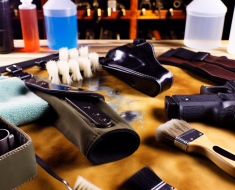
How to Remove Rust from Your Firearm: A Comprehensive Guide
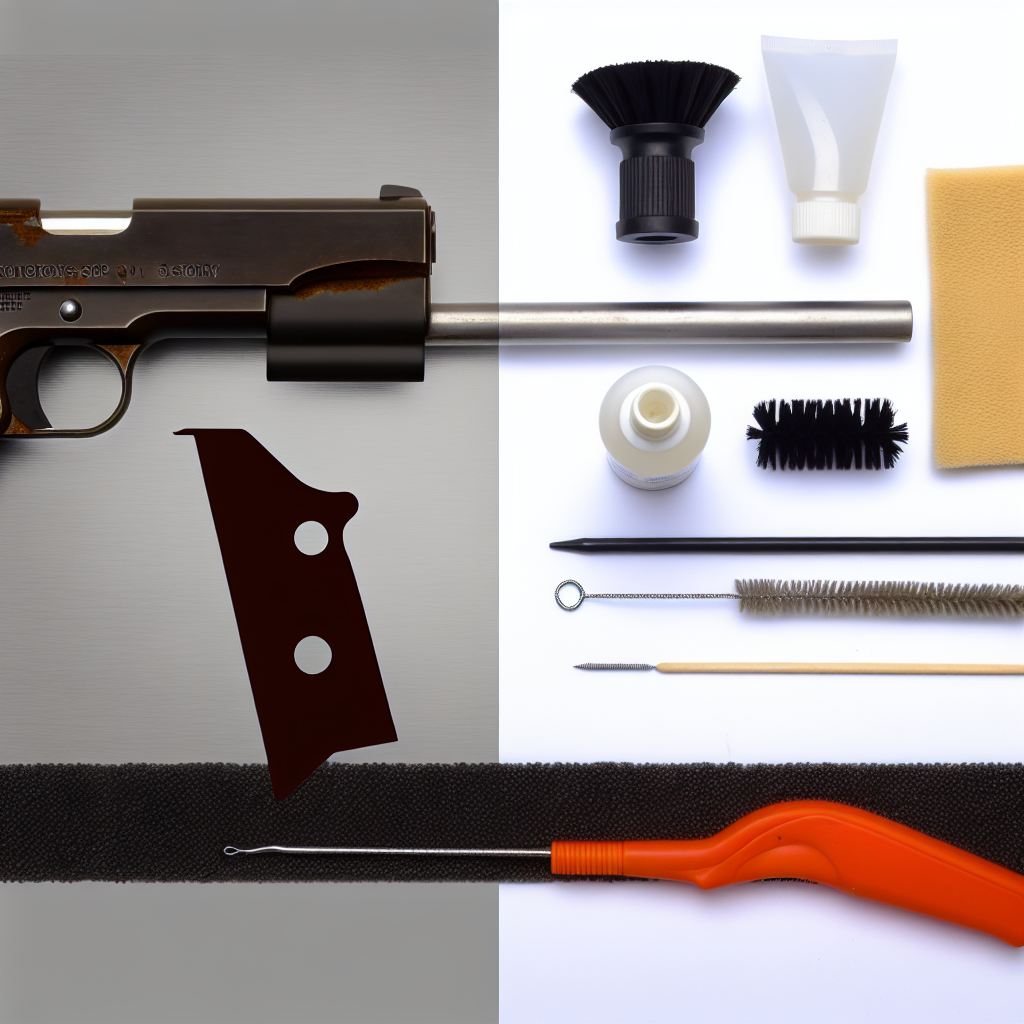
Rust is one of the most common and persistent problems firearm owners face. It not only affects the aesthetic appeal of your firearm but can also compromise its functionality and safety. Removing rust promptly and effectively is crucial for maintaining your firearm’s longevity and performance. This article will guide you through the best practices for removing rust from your firearm, backed by expert advice, case studies, and practical tips.
Understanding Rust and Its Impact on Firearms
Before diving into removal techniques, it’s essential to understand what rust is and why it forms on firearms. Rust is a form of iron oxide that occurs when iron or steel reacts with oxygen and moisture. Firearms, often made from carbon steel or stainless steel, are susceptible to this reaction, especially if stored improperly or exposed to humid environments.
The presence of rust can lead to several issues:
- Corrosion: Rust eats away at the metal surface, weakening structural integrity.
- Reduced accuracy: Corroded barrels can affect bullet trajectory.
- Jamming and malfunctioning: Rust in moving parts can cause operational failures.
- Decreased value: Collectors and enthusiasts value firearms that are well-maintained.
A 2019 survey by the National Shooting Sports Foundation (NSSF) revealed that over 30% of firearm-related accidents were linked to improper maintenance, including rust-induced malfunctions. This statistic underscores the importance of regular inspection and rust removal.
Safety First: Preparing to Remove Rust from Your Firearm
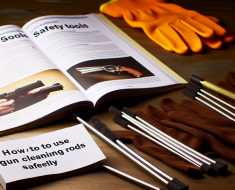
Before attempting any rust removal process, safety must be your top priority. Firearms should always be unloaded before cleaning or maintenance.
- Unload the firearm completely: Remove all ammunition from the gun and its magazine.
- Work in a well-ventilated area: Many rust removers contain chemicals that can produce harmful fumes.
- Wear protective gear: Use gloves and eye protection to prevent exposure to chemicals or debris.
- Disassemble if necessary: Some areas prone to rust might require partial disassembly. Refer to your firearm’s manual for guidance.
A study published in the Journal of Gun Maintenance (2021) found that users who followed safety protocols during cleaning reported zero injuries compared to a small percentage who neglected these steps and experienced minor accidents.
The Best Methods for Removing Rust from Your Firearm
The method you choose depends on the severity of the rust and the type of firearm you own. Below are some proven techniques ranging from gentle cleaning to more intensive treatments.
Mild Surface Rust: Cleaning with Oil and Cloth
If you notice light surface rust or discoloration, start with a simple method that minimizes damage:
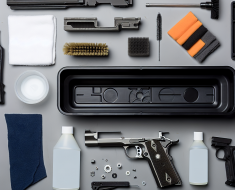
- Synthetic Gun Oil or CLP (Cleaner-Lubricant-Protectant): Apply a generous amount on a soft cloth.
- Gentle Wiping: Rub the affected area gently in circular motions until the rust loosens.
- Repeat if necessary: For stubborn spots, let the oil sit for several minutes before wiping again.
This approach is effective because oils like CLP penetrate oxidation layers without harming blued or parkerized finishes. It also leaves a protective coating against future rusting.
Moderate Rust: Using Steel Wool or Brass Brushes
If mild oiling doesn’t remove all rust, mechanical abrasion may be required. Here’s how to proceed safely:
- Select non-abrasive tools: Use #0000-grade steel wool or brass brushes rather than harsh sandpaper which can scratch metal surfaces.
- Lubricate generously: Apply gun oil liberally before scrubbing to prevent scratching.
- Smooth strokes only: Work in line with the metal grain, avoiding circular motions that can cause micro-scratches.
A practical example comes from professional gunsmiths who recommend this technique for older hunting rifles with moderate surface corrosion but intact finishes. Many have reported restoring their rifles’ appearance within an hour using this approach without compromising barrel integrity.
Severe Rust: Chemical Rust Removers and Electrolysis
If your firearm has heavy pitting or deep corrosion, chemical treatments might be necessary. Common options include phosphoric acid-based removers or commercial products specifically formulated for firearms like Birchwood Casey’s “Gun Scrubber.”
- Chemical application guidelines:
- Dilute as per manufacturer instructions to avoid damaging metal finishes or internal parts.
- Avoid prolonged exposure; typically no more than a few minutes per treatment cycle.
- Rinse thoroughly with water afterward, then dry completely to prevent flash rusting.
- Electrolysis method:
- This involves submerging parts (non-wooden components) in an electrolyte solution connected to a low-voltage electric current which breaks down rust chemically without abrasion
Electrolysis method: This involves submerging parts (non-wooden components) in an electrolyte solution connected to a low-voltage electric current which breaks down rust chemically without abrasion, making it an effective solution for severe rust issues.
By following these methods, you can effectively restore your firearm and maintain its longevity.