How to Reload for Tactical and Law Enforcement Use
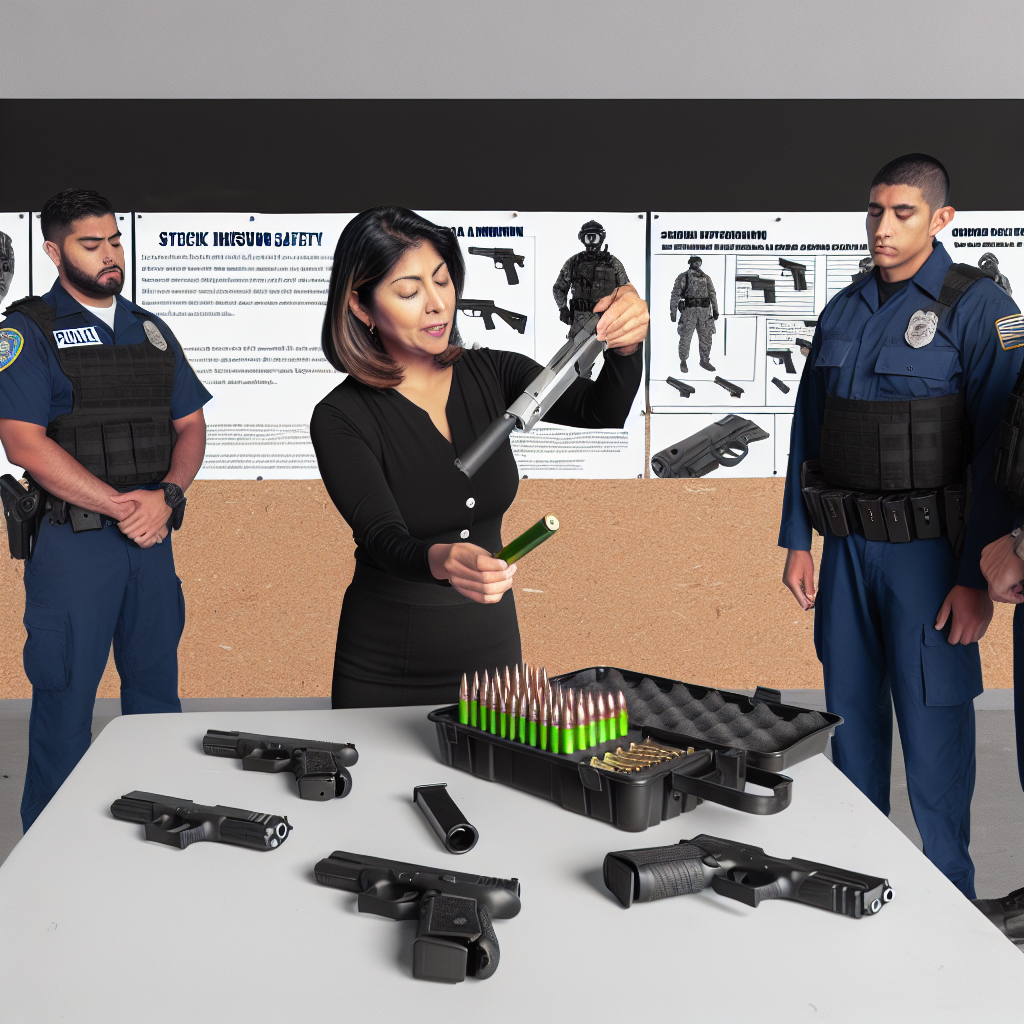
Reloading is a fundamental skill for tactical operators and law enforcement personnel. In high-stress situations, the ability to reload efficiently and effectively can mean the difference between mission success and failure, or even life and death. This article explores the critical aspects of reloading techniques tailored specifically for tactical and law enforcement applications, providing actionable insights supported by real-world examples and research.
The Importance of Efficient Reloading in Tactical Operations
Reloading under pressure requires more than just muscle memory; it demands strategic thinking, situational awareness, and practiced precision. Law enforcement officers and tactical operators often face dynamic environments where rapid decision-making is crucial. Reloading is not just about putting more rounds into the firearm but doing so in a way that minimizes downtime, reduces vulnerability, and maintains operational momentum.
Statistics from the FBI’s Law Enforcement Officers Killed and Assaulted (LEOKA) report highlight that firearms-related incidents often escalate quickly. Officers who master efficient reloads can maintain fire superiority during critical moments. For example, during active shooter responses or hostage rescue operations, every second counts.
Reload speed can vary based on numerous factors such as weapon type, ammunition capacity, and training level. However, a common benchmark among elite tactical units is to complete a reload in under two seconds without compromising safety or accuracy.
Types of Reloads: Tactical vs. Emergency
Understanding different types of reloads is essential for choosing the right technique based on the situation at hand.
- Tactical Reload: This method involves reloading before the magazine is completely empty. It is used to maintain a full magazine while minimizing time spent reloading during lulls in engagement. Tactical reloads are deliberate and controlled.
- Emergency Reload: Also known as a speed reload or combat reload, this occurs when the magazine is empty or nearly empty. The goal here is rapid replacement to resume firing immediately.
Both techniques require different grips, movements, and awareness levels. Tactical reloads allow operators to preserve ammunition continuity but require situational opportunity. Emergency reloads prioritize speed over conservation but carry increased risk due to time spent with an empty chamber.
Step-by-Step Guide to Tactical Reloading
The tactical reload emphasizes maintaining control over your weapon while inserting a fresh magazine quickly yet smoothly. Below are detailed steps commonly taught across law enforcement training programs:
- Assess Your Ammunition Status: Before initiating a reload, quickly glance at your magazine indicator or count remaining rounds if possible.
- Maintain Sight Picture: Keep your eyes on potential threats while preparing to reload; avoid looking down at your hands unnecessarily.
- Eject Current Magazine: Use your support hand to press the magazine release button, allowing the partially used magazine to drop free or be retained if tactically appropriate.
- Retrieve Fresh Magazine: From your mag pouch or carrier using your support hand; ensure it’s oriented correctly for smooth insertion.
- Insert New Magazine: Firmly seat the new magazine into the magwell until you hear or feel it click into place.
- Chamber a Round (if necessary): If there’s no round in the chamber (such as after an emergency reload), rack the slide with your support hand to chamber a round quickly.
- Reassess Threat Environment: Resume scanning surroundings immediately after completing the reload.
This method prioritizes control and readiness, ensuring that you remain engaged with your environment throughout the process.
The Emergency Reload: Techniques for Speed Under Fire
An emergency reload is often performed when your firearm runs dry during an engagement. Because time is critical in these moments, specialized techniques focus on speed without sacrificing reliability:
- Drop Empty Magazine Quickly: Press the mag release with your support hand; allow the empty magazine to fall freely unless retaining it for later use (which may slow down speed).
- Slam in Fresh Magazine: Grab a new magazine swiftly from your pouch with your support hand and insert it forcefully into the magwell without hesitation.
- Tactical Slide Rack: With one hand (usually support), pull back sharply on the slide to chamber a round instantly.
- Muzzle Control & Target Awareness: Throughout this process, maintain muzzle discipline—pointing your firearm safely—and keep eyes on threats whenever possible.
A case study from military special operations units shows that operators who practiced emergency reload drills daily could reduce their average reload time from over four seconds down to approximately 1.5 seconds — a significant improvement that enhances survivability in combat scenarios.
The Role of Training Tools & Drills for Mastery
No amount of theoretical knowledge will replace practical training when mastering reloading skills. Law enforcement agencies worldwide invest heavily in realistic drills designed to simulate high-pressure environments where rapid reloading is necessary.
- Dry-Fire Drills: Practicing reloading without live ammunition helps build muscle memory safely while focusing on technique precision.
- Lived-Scenario Training: Incorporating simulated gunfights or active threat exercises forces officers to apply re
loading techniques under stress, reinforcing their ability to respond effectively in real situations.
Consistent practice and realistic training scenarios are essential for law enforcement and tactical professionals to ensure they can reload swiftly and efficiently when it matters most.