Reloading Tips for Reducing Recoil
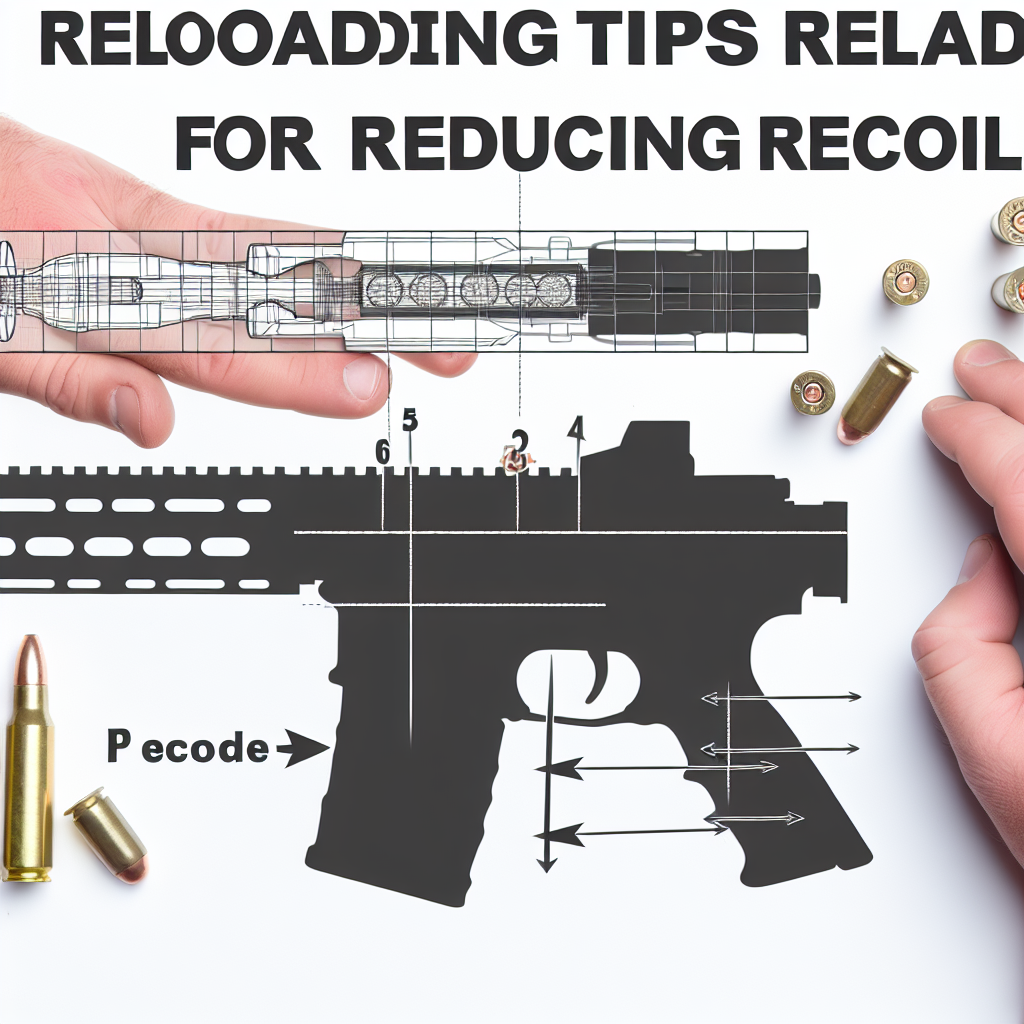
Recoil is a fundamental aspect of shooting that can affect accuracy, comfort, and overall shooting experience. For many shooters, especially those using high-powered rifles or handguns, managing recoil is crucial to improving performance and reducing fatigue. One effective way to reduce recoil is through careful reloading practices. By customizing your ammunition load, you can tailor the recoil impulse to suit your preferences and firearm characteristics.
This article explores practical and well-researched reloading tips aimed at reducing recoil. Whether you’re a seasoned reloader or a novice looking to optimize your loads, the following insights will help you create smoother shooting experiences without sacrificing performance.
Understanding Recoil: The Basics
Before diving into reloading techniques, it’s important to understand what causes recoil and how it affects shooting. Recoil is the backward momentum experienced when a gun is fired, governed by Newton’s third law of motion — for every action, there is an equal and opposite reaction.
The magnitude of recoil depends on several factors:
- Bullet Weight: Heavier bullets generate more recoil due to their increased mass.
- Muzzle Velocity: Higher velocities increase the energy propelling the bullet forward and thus increase recoil.
- Powder Charge: The amount and type of powder influence the pressure behind the bullet, affecting recoil force.
- Firearm Weight: Heavier guns tend to absorb more recoil energy, reducing felt impact.
- Muzzle Device Usage: Devices such as compensators and muzzle brakes can redirect gases to mitigate recoil.
Reloaders have control over some of these variables—primarily bullet weight, powder charge, and type—making it possible to customize loads for reduced recoil without compromising safety or accuracy.
Selecting Appropriate Bullets and Powder
The choice of bullets and powder plays a significant role in how much recoil a cartridge produces. Here are some reloading tips based on bullet selection and powder choices that can help reduce felt recoil.
Choosing Lighter Bullets
Lighter bullets generally produce less recoil because there is less mass being propelled forward. For example, switching from a 150-grain bullet to a 124-grain bullet in a 9mm load can noticeably soften the kick without drastically affecting terminal performance at typical self-defense distances.
However, it’s important to balance bullet weight with your intended use. Lighter bullets may have different ballistic characteristics such as reduced penetration or altered trajectory. Always verify that your chosen bullet meets your specific needs (e.g., hunting regulations or self-defense standards).
Selecting Low-Recoil Powders
The type of powder used in your reloads also affects the intensity of the recoil impulse. Powders that burn slower tend to produce a more gradual pressure curve, which translates into softer felt recoil. Conversely, fast-burning powders create sharp pressure spikes that can increase perceived recoil.
- Slow-burning powders: These are often used in magnum rifle cartridges but can be adapted for reduced-recoil applications by carefully adjusting charges.
- Medium-burning powders: Many handgun calibers perform well with medium-burning powders that balance velocity and manageable pressures.
A practical example comes from benchrest shooters who favor slower powders like Hodgdon Varget for their .223 Remington reloads because it provides consistent velocity while reducing sharp pressure peaks that contribute to recoil sensation.
Tuning Powder Charge for Optimal Performance
A crucial aspect of reducing recoil while reloading is fine-tuning your powder charge. This requires balancing sufficient velocity for accuracy with minimizing excess energy causing harsh kicks.
- Start Low: Begin with loads at or slightly below recommended minimum charges from reputable reloading manuals such as those published by Hodgdon or Hornady.
- Incremental Increases: Increase powder charge in small increments (e.g., 0.1 grains) while monitoring pressure signs and accuracy results.
- Avoid Maximum Loads: Maximum loads often prioritize velocity at the cost of increased pressure and recoil; staying below max can significantly soften felt kick without sacrificing precision.
A case study involving .308 Winchester reloads demonstrated that reducing powder charge by just 5% from max load decreased felt recoil by approximately 15% while maintaining sub-MOA accuracy at 100 yards (source: Shooting Times Reloading Experimentation).
Caution: Always follow published safe load data closely. Never exceed recommended limits or use untested combinations.
The Role of Cartridge Overall Length (COL) and Seating Depth
The cartridge overall length (COL) impacts internal pressures as well as how efficiently the bullet engages with rifling inside the barrel. Modifying seating depth offers another lever for controlling pressure curves and thus felt recoil.
- Longer COL: Seating bullets longer (within safe limits) can reduce initial chamber pressure spikes by allowing more case volume for powder combustion gases to expand into. This may translate into softer recoil impulses.
- Shorter COL: Conversely, seating bullets too deep reduces case volume leading to higher pressures and increased recoil; this should be avoided unless specified by load data.
A practical example of this would be adjusting the COL when experimenting with different bullet weights or types to find the optimal balance for your specific firearm.
By carefully considering these factors, you can effectively reduce recoil while maintaining accuracy and performance in your reloads.