How to Reload for High-Powered Rifles: A Comprehensive Guide
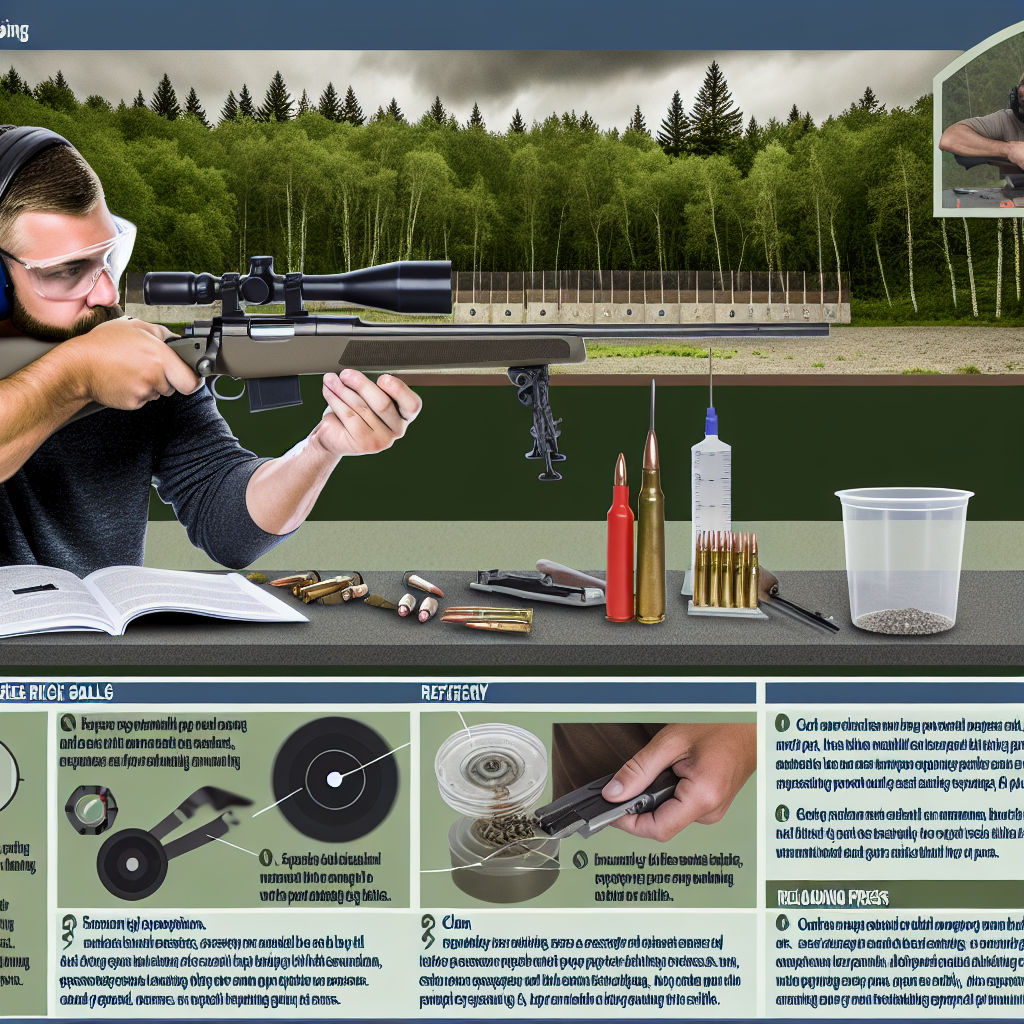
Reloading ammunition for high-powered rifles is both a science and an art. It offers shooters the ability to tailor their loads to specific firearms, improve accuracy, and reduce costs over time. However, the process demands precision, safety awareness, and a thorough understanding of ballistics and components. Whether you’re an experienced marksman or a novice looking to dive into the world of high-powered rifle reloading, this guide provides detailed insights, practical steps, and essential safety tips to help you reload effectively and responsibly.
Understanding the Basics: What Makes High-Powered Rifle Reloading Different?
Reloading ammunition for high-powered rifles differs significantly from reloading for smaller calibers or handguns. The pressures involved, cartridge sizes, and performance expectations are notably higher. High-powered rifles typically use cartridges such as the .308 Winchester, .30-06 Springfield, .300 Winchester Magnum, or even larger calibers like the .338 Lapua Magnum.
Key distinctions include:
- Higher pressures: These cartridges often operate at maximum pressures exceeding 60,000 psi (pounds per square inch), requiring meticulous attention to powder type and charge weight.
- Larger case volumes: More powder capacity means more variables in load development.
- Longer barrels and longer-range shooting: Precision becomes critical when engaging targets at 800 yards or beyond.
Reloading for these rifles involves balancing velocity, accuracy, recoil management, and barrel life. Because mistakes can lead to catastrophic failures—damaging equipment or causing injury—understanding each step is crucial before attempting any reloads.
Selecting Quality Components: The Foundation of Safe Reloading
The foundation of any successful reload starts with selecting high-quality components tailored to your rifle’s specifications and your shooting goals.
Ammunition Components Overview
- Brass Cases: For high-powered rifles, brass cases must be durable and capable of withstanding multiple firings if you intend to reload them repeatedly. Popular brands like Lapua and Norma are renowned for quality and consistency. Cases should be inspected for signs of cracks or excessive wear before reuse.
- Bullets: Choosing the right bullet depends on your intended use—whether hunting, target shooting, or long-range precision competition. Match-grade bullets from manufacturers like Sierra MatchKing or Berger are favored for their uniformity and aerodynamic efficiency.
- Powder: Powder selection is critical because it directly influences pressure curves and velocity consistency. Powders such as Hodgdon’s Varget or IMR 4064 are common choices for many .308 Winchester loads due to their temperature stability and predictable burn rates.
- Primers: High-quality primers from Federal or CCI provide reliable ignition essential for consistent performance in high-pressure cartridges.
A case study by the Precision Rifle Blog demonstrated that using premium components improved group sizes by up to 30% compared to budget components when reloading .300 Winchester Magnum rounds for long-range competition shooting.
The Reloading Process: Step-by-Step Guide
The actual reloading process involves several stages—from inspecting used brass to loading the cartridge with powder and seating the bullet correctly. Here is a detailed walkthrough tailored specifically for high-powered rifles.
1. Case Preparation
-
Inspection: Examine cases carefully for cracks, splits, or dents. Discard any compromised cases immediately as they pose safety risks under high pressure.
-
Cleaning: Clean cases using a tumbler with stainless steel media or walnut shells to remove residue without damaging the brass surface.
-
Resizing: Use a full-length resizing die compatible with your cartridge to restore case dimensions so they fit properly in your chamber.
-
Trimming: Trim cases if they exceed maximum length specifications outlined in reloading manuals (e.g., SAAMI standards). Overlength cases can cause dangerous pressure spikes.
2. Priming the Case
-
Use a bench priming tool to seat new primers evenly without damaging them. Always wear safety glasses during this step due to potential primer detonation risk.
3. Charging Powder
-
Select your powder charge based on published load data from reputable sources such as Hodgdon Reloading Data Center or manufacturer manuals.
-
A reliable powder scale is essential here; electronic scales with at least ±0.1 grain accuracy are recommended due to the sensitivity of high-pressure loads.
-
Add powder carefully into each primed case using a powder measure or dispenser. Double-check charges frequently during loading sessions to avoid double charges or missed charges—both can be dangerous.
4. Seating Bullets
-
Select seating dies designed for your specific bullet profile (e.g., boat-tail spitzer bullets common in long-range rifles).
-
The overall cartridge length (OAL) should conform to both manufacturer recommendations to ensure proper chambering and function. Always verify your loaded rounds before heading to the range.
Following these steps will help you safely and effectively reload high-powered rifle cartridges.