How to Reload Rimfire Ammo: What You Need to Know
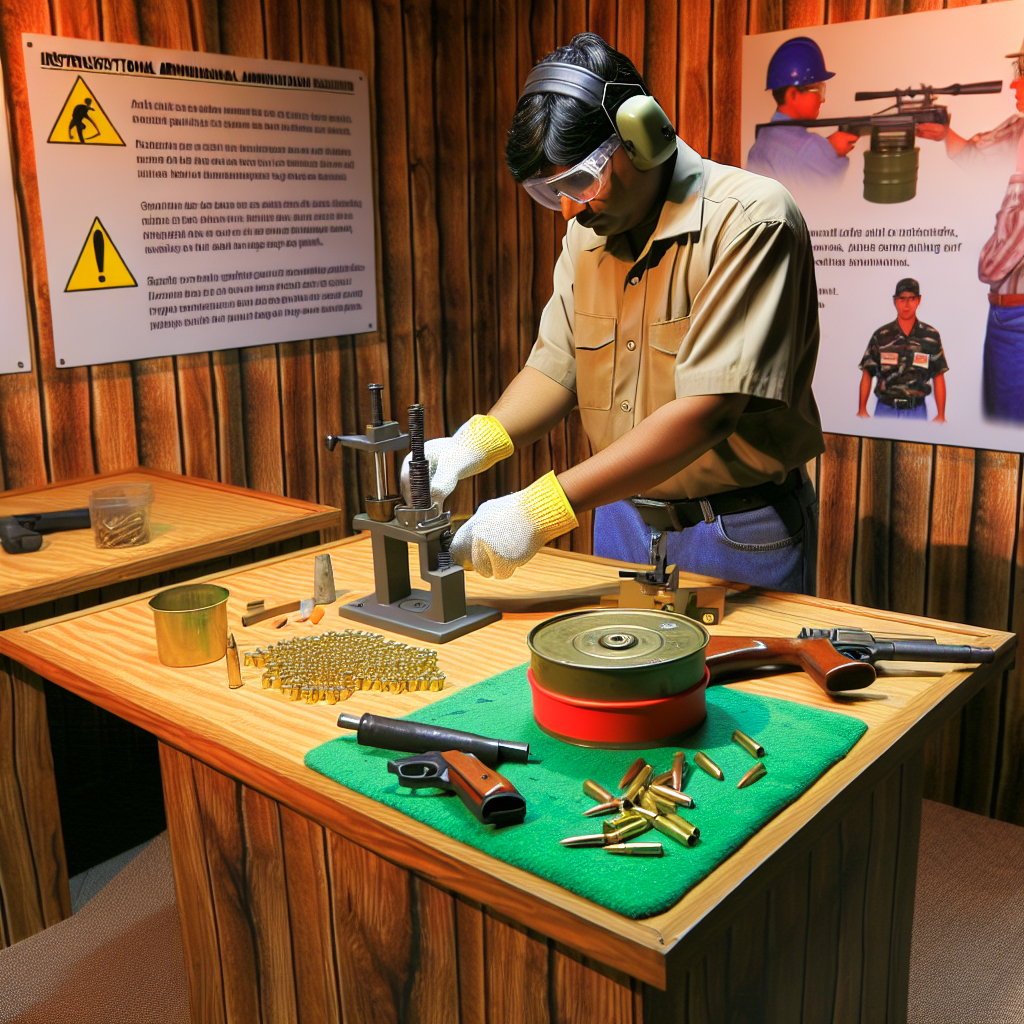
Reloading ammunition has long been a popular pursuit among shooting enthusiasts, offering benefits such as cost savings, customization, and self-reliance. While centerfire ammunition reloading is widely practiced and well-documented, rimfire ammo reloading remains a niche and often misunderstood area. Rimfire cartridges, such as the ubiquitous .22 Long Rifle (LR), are commonly used for plinking, small game hunting, and target shooting. However, the process of reloading rimfire ammo presents unique challenges that require specialized knowledge and equipment.
This article delves into the essentials of how to reload rimfire ammo safely and effectively. We will explore the technical differences between rimfire and centerfire cartridges, the equipment needed for rimfire reloading, step-by-step guidance on the process, and practical considerations for shooters interested in this rewarding endeavor.
Understanding Rimfire vs. Centerfire Ammunition
Before diving into the specifics of reloading rimfire ammo, it is crucial to understand how rimfire cartridges differ from centerfire cartridges. This fundamental knowledge shapes the entire approach to reloading.
- Primer Location: In centerfire cartridges, the primer is a separate component located in the center of the cartridge base. In contrast, rimfire primers are distributed within the rim of the cartridge itself.
- Firing Mechanism: When a firing pin strikes a centerfire primer, it ignites a sensitive explosive compound inside a separate primer cup. For rimfires, the firing pin crushes the thin metal rim containing priming compound to ignite the powder.
- Case Construction: Rimfire cases are generally made from thinner brass or sometimes steel due to their integrated priming method. This limits their ability to be resized or reloaded multiple times compared to robust centerfire cases.
- Reloading Challenges: The integral priming system means that rimfire cases cannot be re-primed in traditional ways like centerfires; instead, shooters must replace or reform spent cases differently.
The inherent design differences mean that typical handloading presses and dies used for centerfires do not work for rimfires. This distinction is why rimfire reloading requires specialized tools and techniques.
The Equipment Needed for Reloading Rimfire Ammo
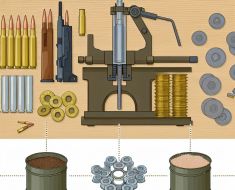
Reloading rimfire ammunition requires certain specialized tools beyond what’s used for centerfires. Below is an overview of essential equipment needed to get started safely and efficiently:
- Rimfire Case Extractor Tool: Since spent .22 LR cases cannot be resized like centerfires, you need a tool designed to extract live rounds from bulk ammo without damaging them if you plan on salvaging bullets or brass.
- Depriming and Resizing Presses (Specialized): Some manufacturers produce dedicated presses that can handle .22 LR case resizing by reforming rather than traditional resizing; however, these are rare and expensive.
- Priming Equipment: Unlike centerfires where primers are replaced individually, rimfires require either factory new cases or specially manufactured reloadable rimfire cases with replaceable primers—a niche market product.
- Pistol or Rifle Reloading Dies: Standard dies do not fit rimfires; instead, you’ll need dies specifically designed for .22 LR or other calibers if available.
- Powder Measure & Scale: Measuring precise powder charges remains critical even with small calibers like .22 LR due to their low powder volume—usually between 1-3 grains depending on load.
- Bushing or Bullet Seating Tools: Proper bullet seating depth ensures consistent accuracy; specialized seating tools calibrated for .22 caliber projectiles improve results significantly.
A key point: most handloaders interested in rimfires rely heavily on purchasing high-quality bulk components such as new cases or “reloadable” specialty brass because true case reuse is limited.
The Step-by-Step Process of Reloading Rimfire Ammo
The actual process of reloading rimfire ammunition differs significantly from centerfires but follows general principles: preparing cases, charging powder, seating bullets, and ensuring proper overall length (OAL).
1. Collect and Inspect Cases
If you choose to reuse fired brass (which is uncommon due to thin walls), collect spent .22 LR casings carefully. Inspect each case under magnification for cracks or deformations since compromised cases can cause dangerous malfunctions.
2. Cleaning Cases
A thorough cleaning removes residue that can interfere with seating bullets properly. Many reloaders use ultrasonic cleaners or tumble brass in media such as crushed walnut shells tailored specifically for delicate brass cleaning without damaging rims.
3. Reconditioning Cases (If Applicable)
The biggest hurdle is that spent .22 LR cases have an integral priming compound in their rims which cannot be replaced traditionally. Thus:
- If using factory-new or reloadable specialty brass with removable primers, you can deprimed old primers mechanically before inserting new ones.
- If attempting traditional reuse of standard factory brass (not recommended), options include reforming cases by annealing rims carefully or simply discarding them due to safety concerns.
4. Measuring and Charging Powder
The powder charge
should be carefully measured using a scale to ensure consistency and safety in your reloads. Always refer to reliable load data for the specific type of powder and bullet you are using.
Reloading rimfire ammo can be a rewarding process, but safety should always be your top priority.