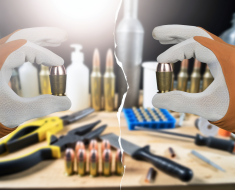
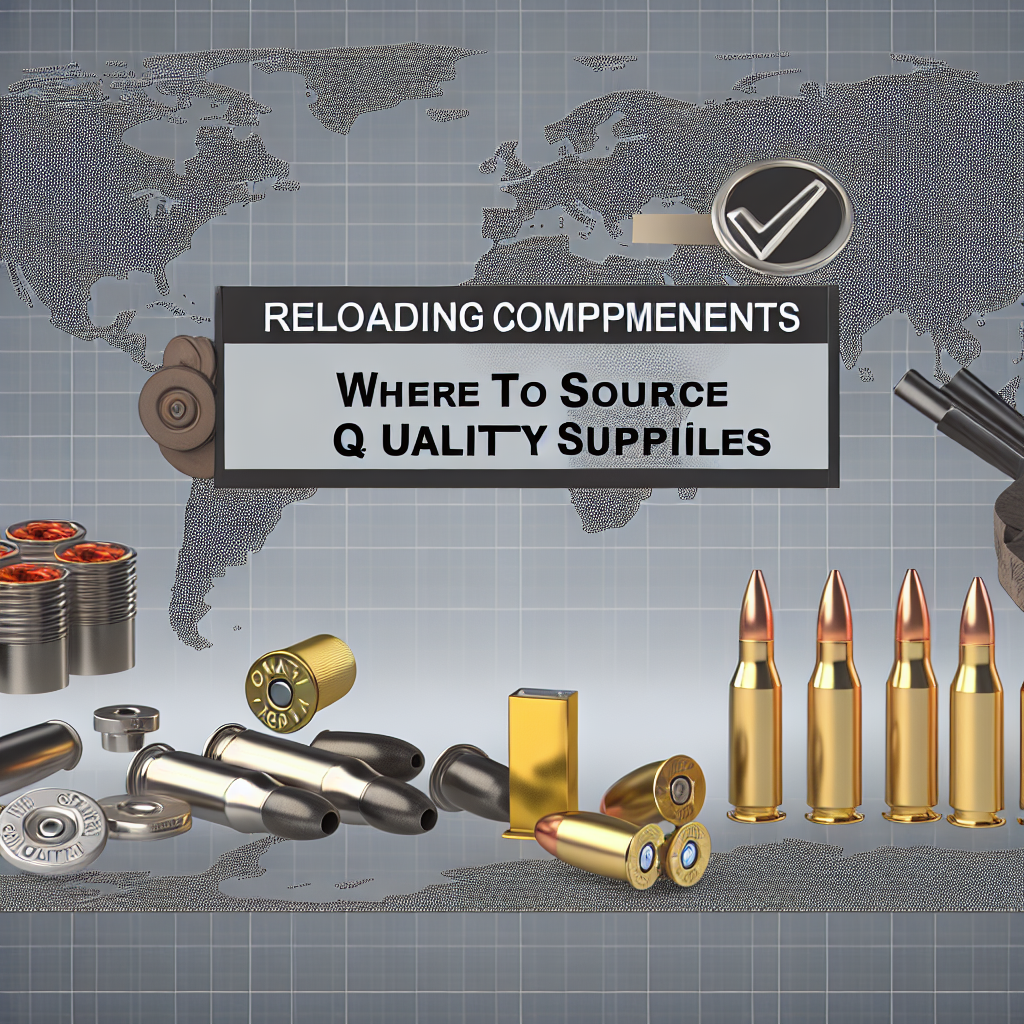
Reloading Components: Where to Source Quality Supplies
Reloading ammunition is a time-honored practice among shooting enthusiasts, hunters, and competitive marksmen. It offers a cost-effective way to tailor loads to specific firearms and shooting needs, often resulting in improved accuracy and performance. However, the cornerstone of successful reloading lies in sourcing high-quality components. Without reliable brass, primers, powder, and bullets, the entire process can become unsafe or yield subpar results.
This article explores where to find quality reloading components, what factors to consider when selecting supplies, and how you can ensure safety and consistency in your reloads. Whether you’re a seasoned handloader or just starting out, understanding where to source quality supplies is essential for success.
Understanding the Core Reloading Components
Before diving into sourcing options, it’s important to understand the key components required for reloading ammunition:
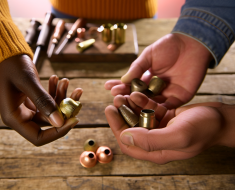
- Brass Cases: The reusable shell casing that holds all other components together.
- Primers: Small ignition devices that ignite the powder charge when struck by the firing pin.
- Powder: The propellant that generates gas pressure to propel the bullet.
- Bullets: The projectile itself which leaves the barrel upon firing.
The quality of each component affects not only performance but also safety. For example, using old or damaged brass can lead to case failures, while incorrect powders or primers can cause dangerous pressure spikes. Therefore, sourcing these components from reputable suppliers is paramount.
The Importance of Quality in Reloading Supplies
Reloading is as much an art as it is a science. Precision and consistency are key factors for both safety and accuracy. Poor-quality components can result in misfires, inconsistent velocities, or even catastrophic failures such as case ruptures or barrel obstructions.
A study published by the National Shooting Sports Foundation (NSSF) found that nearly 70% of handloading-related malfunctions stemmed from substandard or improperly sourced components. This statistic underscores how crucial it is to obtain parts from trusted sources who maintain strict quality control standards.
Additionally, modern powders have complex burn rates tailored for specific calibers and load types. Using inferior powders not only compromises ballistic performance but also increases risk of dangerous overpressure conditions. Similarly, primers vary in sensitivity and size; selecting primers specified by reloading manuals helps avoid primer failures or slam fires.
Where to Source Quality Brass Cases
The foundation of any reload is the brass case. High-quality brass ensures durability through multiple reload cycles while maintaining dimensional integrity. Here are some reliable sources for quality brass:
- New Factory Brass: This is brass manufactured by major ammunition companies such as Winchester, Federal, or Lapua. New factory brass offers consistent wall thicknesses and case dimensions with minimal prior wear.
- Once-Fired Brass: Often available from local ranges or online retailers like Brownells or MidwayUSA. Once-fired brass that has been properly cleaned and sorted can be an economical option for reloaders who inspect cases carefully before reuse.
- Specialty Brass Manufacturers: Companies like Lapua and Norma produce premium brass renowned for exceptional quality control and durability—ideal for precision shooters who demand top-tier performance.
- Brass Case Resellers & Forums: Online communities such as AR15.com Marketplace or Reddit’s r/reloading often feature sales from experienced reloaders who sell high-quality sorted brass at competitive prices.
Case Study: A competitive shooter who switched from once-fired mixed-brand brass to new Lapua cases reported improved groupings by nearly 15%, attributing gains to more uniform case neck tension and consistent internal volume.
Sourcing Reliable Primers: Avoiding Common Pitfalls
Primers are small but critical components whose reliability cannot be compromised. The two main types are Boxer primers (common in American-made ammo) and Berdan primers (more common internationally). Most handloaders use Boxer primers due to ease of depriming and reusing cases.
- Mainstream Brands: Federal Gold Medal Match primers are widely regarded for consistency and reliability in precision loads. CCI primers offer excellent ignition characteristics suitable for most hunting rounds.
- Niche Primer Types: Specialty primers like Winchester Small Rifle Magnum are designed for magnum loads requiring hotter ignition; sourcing these requires specialized dealers or direct orders from manufacturers.
- Avoid Unknown Sources: Primers are sensitive explosives regulated under federal law—buying from unverified sellers risks receiving old or degraded primers that can misfire or detonate prematurely.
Example Statistic: According to a survey conducted by Ammoland Shooting Sports News in 2023, approximately 85% of primer-related misfires were linked directly to degraded storage conditions rather than inherent primer defects—highlighting the importance of proper storage after purchase.
The Best Places to Purchase Powder Safely and Economically
Sourcing powder has become increasingly challenging due to periodic shortages driven by surges in shooting sports popularity and supply chain disruptions.
as Hodgdon and Alliant, and they often have knowledgeable staff to assist you in choosing the right type for your needs. Online Suppliers: Reputable online retailers can also provide a wide selection, but ensure they comply with shipping regulations for hazardous materials.
By following these guidelines, you can ensure that your reloading components are sourced safely and effectively, enhancing your shooting experience.