Primer Types Explained: Which One is Best for Your Reloads?
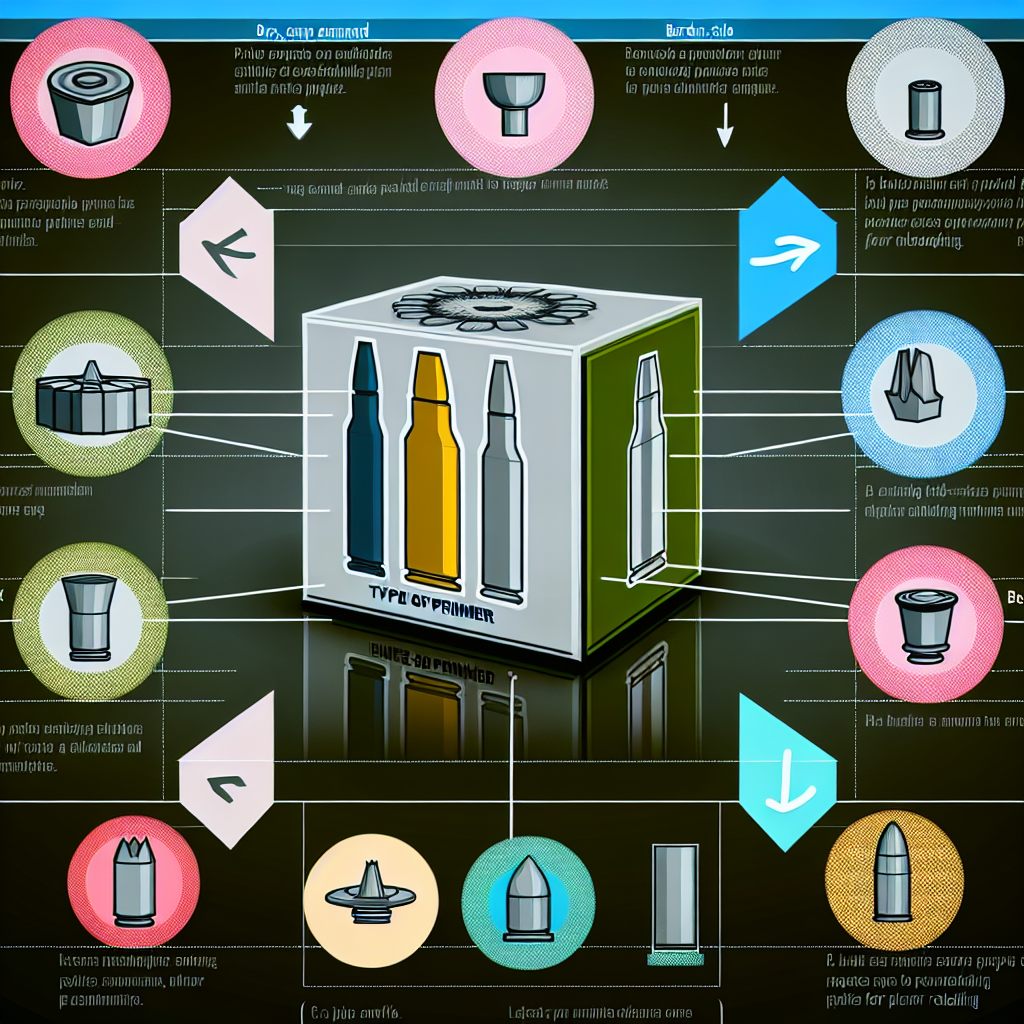
Reloading ammunition is a meticulous craft that demands precision, knowledge, and the right components. Among these components, primers play a crucial role in ensuring consistent ignition and overall cartridge performance. Whether you are a seasoned reloader or just starting out, understanding the different primer types available and their respective advantages can elevate your reloads to the next level.
In this comprehensive article, we will explore the various primer types, their characteristics, applications, and factors to consider when selecting primers for your reloads. By the end, you’ll have a solid foundation to make informed decisions tailored to your specific needs.
What Is a Primer and Why Does It Matter?
Before diving into types, it’s important to understand what a primer is and why it plays such a vital role in ammunition performance.
A primer is a small metal cup containing a sensitive explosive compound that ignites when struck by the firing pin of a firearm. This ignition creates a spark that lights the gunpowder inside the cartridge case, propelling the bullet forward.
The reliability, consistency, and power of this ignition affect:
- Velocity and accuracy of the bullet
- Consistency of internal ballistics
- Overall safety during firing
- The lifespan of your firearm’s firing pin and breech face
Choosing the right primer can improve these factors significantly.
Main Types of Primers: Large vs. Small & Rifle vs. Pistol
Primers are primarily categorized by size and intended use. Understanding these categories helps you select primers compatible with your cartridge type.
Large vs. Small Primers
The size of the primer corresponds directly to the size of the cartridge case head it fits into.
- Large Primers: These measure approximately 0.210 inches in diameter and are used in larger cartridges such as .308 Winchester, .30-06 Springfield, and many magnum rifle rounds. Large primers generally provide more ignition energy.
- Small Primers: Measuring roughly 0.175 inches in diameter, small primers fit smaller cartridges like .223 Remington, 9mm Luger, and .38 Special. They offer precise ignition for smaller powder charges.
Pistol vs. Rifle Primers
The distinction between pistol and rifle primers is more than just size; it involves sensitivity and construction tailored for different pressure levels.
- Pistol Primers: Designed for lower pressure cartridges commonly found in handguns (e.g., 9mm, .45 ACP). They have thinner cups that are easier to ignite but less robust under high pressures.
- Rifle Primers: Built to withstand higher pressures generated by rifle cartridges (e.g., .308 Win, .30-06). They feature thicker cups to prevent primer flow or deformation under intense firing conditions.
A general rule: Never substitute pistol primers in rifle cases or vice versa as this can cause misfires or dangerous pressure issues.
Boxer vs. Berdan: Primer Ignition Systems Explained
The two most common primer designs worldwide are Boxer and Berdan primers. Each uses a different method for igniting powder charges within brass cases.
Boxer Primers: The Reloading Favorite
Description: Boxer primers have a single central anvil built into the primer itself with one flash hole in the case bottom. When struck by the firing pin, the priming compound ignites between the anvil and cup.
- Easier to reload: The single flash hole makes decapping (removal of spent primer) straightforward using standard reloading equipment.
- Widely used in American-made ammunition: Most U.S.-manufactured brass employs Boxer primers due to ease of reloading.
- Example: Reloaders often prefer Boxer-primed brass from brands like Winchester or Federal because it’s simple to reuse repeatedly.
Berdan Primers: Common Outside North America
Description: Berdan primers utilize an anvil formed as part of the cartridge case with two smaller flash holes on either side rather than one central hole.
- Difficult to reload: Decapping requires specialized tools since spent primers cannot be pushed out easily from a single flash hole.
- Makes reloading less economical: Due to difficulty in removing used primers cleanly, Berdan cases are often discarded or used only once by most reloaders.
- Prevalent in European ammunition: Brands like Sellier & Bellot or Fiocchi commonly use Berdan priming systems.
If you plan on reloading regularly using your own equipment, sourcing Boxer-primed brass is highly recommended unless you have specialized tools for Berdan cases.
Chemical Composition: Standard vs. Magnum Primers & Specialty Options
The chemical formulation inside primers influences ignition strength, sensitivity, shelf life, and suitability for specific powders or loads.
Standard vs.
Magnum primers are designed to provide a hotter and more consistent ignition, making them suitable for larger powder charges or colder temperatures. Choosing the right primer can significantly affect your reloads and overall shooting experience.