Reloading for Handgun Hunting: What to Use
Handgun hunting is a specialized and rewarding pursuit that demands precision, power, and an intimate understanding of your equipment. Reloading ammunition for handgun hunting allows shooters to tailor loads to their specific firearms, game, and shooting conditions, maximizing effectiveness and ethical kills. Whether you’re pursuing deer with a powerful revolver or smaller game with a semi-auto pistol, the right reloading components and techniques can make all the difference.
This article delves into the essential aspects of reloading for handgun hunting, covering what powders, bullets, primers, and cases work best. We’ll explore key considerations for selecting components, share insights from experienced hunters and reloaders, and provide practical advice to help you build reliable, accurate, and powerful handgun hunting loads.
Understanding the Basics: Why Reload for Handgun Hunting?
Reloading your own ammunition offers several advantages over factory rounds when it comes to handgun hunting:
- Customization: Tailor your loads for specific handguns and game species. Different calibers and firearms respond uniquely to various powders and bullet weights.
- Cost Savings: Hunting ammunition can be expensive; reloading helps reduce costs per round over time.
- Improved Accuracy: Fine-tuning powder charges and bullet seating depths often results in tighter groups on target.
- Enhanced Performance: Selecting the optimal bullet type and powder charge can increase terminal performance for cleaner kills.
The variability in handgun calibers—from .357 Magnum to .44 Magnum, .45 Colt to 10mm Auto—means there’s no one-size-fits-all load. Understanding how different components interact helps hunters develop loads that maximize energy transfer while minimizing recoil and maintaining accuracy.
Selecting the Right Powder: Balancing Velocity and Pressure
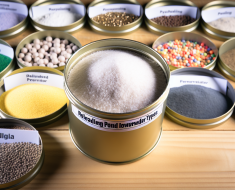
The choice of powder is critical when reloading for handgun hunting. It affects velocity, pressure, recoil, and ultimately terminal ballistics. Here are some guiding principles:
- Use Fast-to-Medium Burning Powders: Handgun cartridges typically benefit from powders that burn quickly enough to build pressure efficiently within the short barrel length but not so fast that they cause excessive pressure spikes or erratic velocities.
- Consider Barrel Length: Many handguns used in hunting have barrels between 4-8 inches. Powders optimized for rifle cartridges may not fully burn in such short barrels, wasting energy as muzzle flash rather than velocity.
- Match Powder to Caliber: For example:
- .357 Magnum: Hodgdon H110 or Alliant Unique are popular choices.
- .44 Magnum: Hodgdon H110 or Accurate #9 offer good performance.
- .10mm Auto: Hodgdon Titegroup is favored for its clean burn in shorter barrels.
A case study from the American Handgunner magazine tested various powders in a .44 Magnum revolver with an 8.5-inch barrel. They found that Hodgdon H110 provided consistent velocities around 1,250 fps with a 240-grain bullet while maintaining safe pressures—a balance ideal for most medium-sized game like deer or hogs.
Safety Note: Always consult reliable load data sources such as Hodgdon or Alliant’s reloading manuals before experimenting with powder charges. Overpressure loads can damage firearms or cause injury.
The Importance of Bullet Selection: Types and Weights Matter
The bullet is arguably the most important component in handgun hunting ammunition because it directly affects terminal performance—how effectively the bullet transfers energy into the target animal.
Key factors in bullet selection include:
- Bullet Weight: Heavier bullets tend to retain energy better at longer ranges but may reduce velocity slightly; lighter bullets achieve higher speeds but can fragment or fail to penetrate deeply enough on larger game.
- Bulllet Design:
- Semi-wadcutter (SWC): Offers good penetration with sharp edges for clean wounds; popular among revolver hunters.
- Semi-jacketed hollow points (SJHP): Expand reliably on impact but maintain penetration—ideal for medium game like deer or coyotes.
- Semi-wadcutters with gas checks (SWC-GC): Provide controlled expansion while reducing barrel leading; excellent for heavy-recoiling magnum rounds.
- SOLID lead bullets: Can be effective on larger game at close range due to deep penetration but require precise shot placement.
A practical example comes from renowned handgun hunter Jim Clark, who favors a 240-grain SWC gas-checked bullet loaded in .44 Magnum for whitetail deer. His experience shows these bullets provide controlled expansion without excessive weight loss upon impact—resulting in quick clean kills with minimal meat damage.
A tip: When hunting tougher game like hogs or black bears, consider heavier bullets (250+ grains) with solid or hard-cast designs for deeper penetration through bone and thick tissue layers.
Reliability is crucial when choosing primers and cases, as they ensure consistent ignition and performance in various conditions. Always opt for high-quality components to enhance your reloading experience.
In conclusion, understanding your options and selecting the right components is key to successful handgun hunting.