How to Train for Long-Distance Precision Shots
Long-distance precision shooting is a discipline that demands not only technical skill but also mental fortitude, physical conditioning, and an in-depth understanding of environmental variables. Whether you are a competitive marksman, military sniper, or an avid hunting enthusiast, mastering the art of hitting distant targets with accuracy is a complex challenge that requires dedicated training and practice.
In this article, we will explore proven strategies and techniques to improve your long-distance shooting capabilities. We will cover everything from fundamental marksmanship principles to advanced ballistic considerations and physical training routines. By the end, you’ll have a comprehensive roadmap to enhance your precision shooting skills at extended ranges.
Understanding the Fundamentals of Long-Distance Shooting
The foundation of any successful long-distance shot lies in mastering basic marksmanship principles. Before diving into complex factors like wind reading or bullet drop compensation, you must have a solid grasp of fundamental skills.
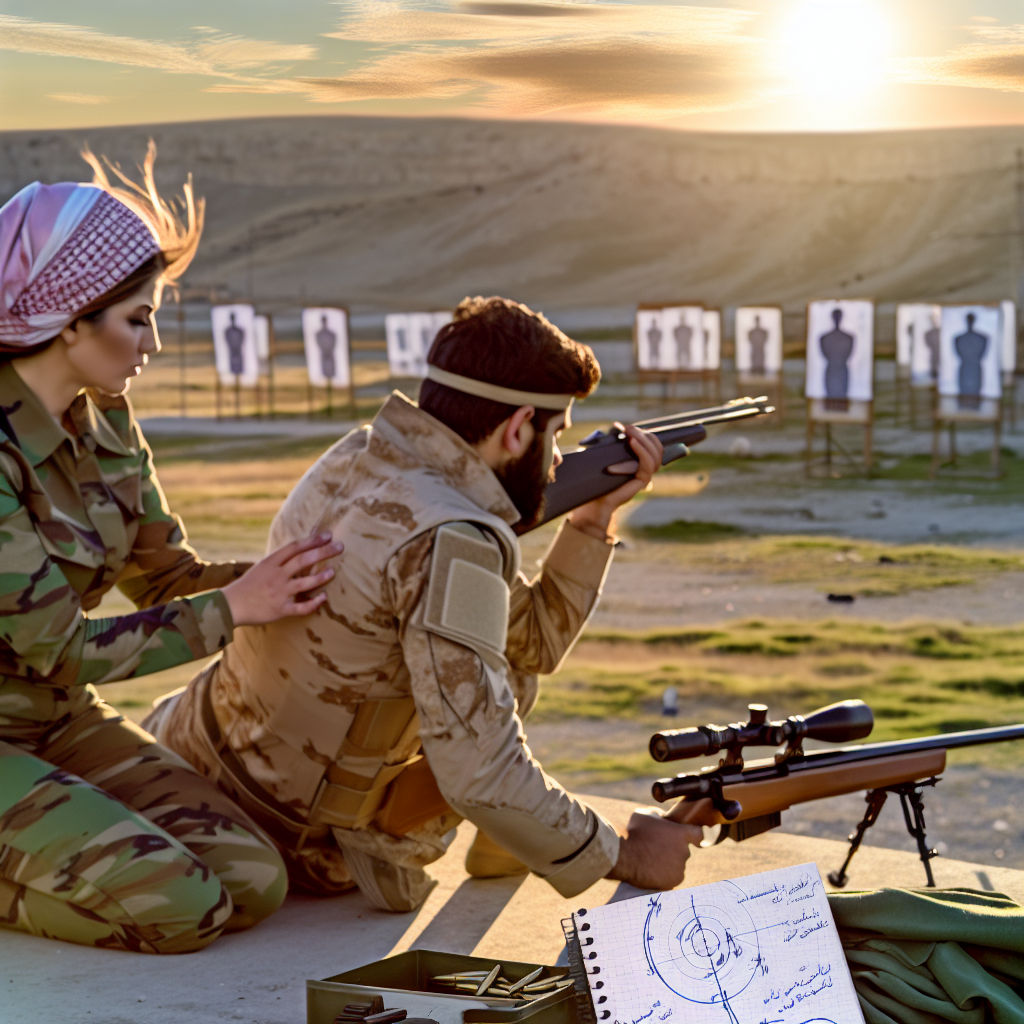
- Proper Positioning and Stability: A stable shooting platform is crucial. Most long-range shooters use prone or supported positions to minimize body movement. Using bipods, sandbags, or shooting rests can significantly increase stability.
- Breath Control: Proper breathing techniques help reduce rifle movement during trigger pull. Typically, shooters take a deep breath, exhale partially, and hold their breath momentarily before squeezing the trigger gently.
- Trigger Control: Smooth and consistent trigger pull prevents jerking the rifle off target. Practicing dry firing (shooting without live rounds) can help develop this muscle memory.
- Sight Alignment and Sight Picture: Ensuring your reticle or iron sights are correctly aligned with the target is fundamental. This becomes even more critical as distances increase.
A study published by the National Rifle Association (NRA) highlighted that novice shooters improved their hit ratio by over 40% after focusing on these basics for just four weeks of consistent practice.
Ballistics: The Science Behind Long-Range Accuracy
Once you’ve mastered the basics, understanding ballistics—the behavior of a bullet in flight—is essential for long-distance precision shots. Ballistics encompasses three main components: internal ballistics (what happens inside the firearm), external ballistics (bullet flight), and terminal ballistics (impact effects). For training purposes, external ballistics is most critical.
- Bullet Drop Compensation: Gravity causes bullets to drop over distance. Shooters must adjust their aim vertically using scope elevation or holdover techniques. For example, a .308 Winchester round may drop nearly 10 inches at 500 yards depending on bullet weight and velocity.
- Wind Drift Adjustment: Wind can push a bullet off course laterally. Reading wind conditions accurately requires observing flags, mirage effects through scopes, or using weather instruments like anemometers.
- Muzzle Velocity and Ballistic Coefficient (BC): Higher velocity bullets with better aerodynamic shapes (higher BC) retain energy longer and resist wind drift better.
- Coriolis Effect: At extreme distances (beyond 800 yards), Earth’s rotation slightly influences bullet trajectory—a factor snipers must account for in some scenarios.
A case study from the U.S. Army’s Marksmanship Unit revealed that snipers who used ballistic calculators combined with environmental sensors increased their first-shot hit probability by up to 25% during training exercises compared to those relying solely on experience-based estimations.
Mental Conditioning: Sharpening Focus and Managing Pressure
Shooting at long distances is as much a mental game as it is physical skill. Maintaining concentration through long waits between shots, managing anxiety during competitions or missions, and making split-second decisions are vital abilities that can be trained like any other muscle group.
- Meditation and Mindfulness Practices: Techniques such as controlled breathing exercises help shooters stay calm under pressure and improve focus on the shot process rather than outcome anxiety.
- Visualization Techniques: Many elite marksmen visualize every step—from positioning to trigger squeeze—to mentally prepare for success before even stepping onto the range.
- Shooting Under Simulated Stress Conditions: Training with time constraints or after physical exertion replicates real-world stressors allowing shooters to adapt their mental resilience accordingly.
A report published by Frontiers in Psychology examined elite athletes including precision shooters and found that those engaging regularly in mental training performed significantly better under pressure than those who did not incorporate such practices into their routine.
The Role of Physical Fitness in Precision Shooting
Though shooting might seem sedentary compared to other sports, physical fitness plays an essential role in improving accuracy at long distances. Core strength, cardiovascular endurance, and fine motor control all contribute directly or indirectly to shooting performance.
- Core Stability: A strong core helps maintain steady posture during prolonged prone positions reducing muscular fatigue-induced movement errors.
- Cardiovascular Fitness: Good cardiovascular health reduces heart rate variability allowing steadier aim during shots—especially important when holding breath for extended periods.
- Hand-Eye Coordination Exercises: Activities like juggling or ball drills enhance neuromuscular control necessary for precise trigger manipulation.
-
Nutritional considerations play a vital role in a shooter’s performance, as proper nutrition can enhance focus and stamina during training and competitions.
Incorporating these elements into your training regimen can lead to significant improvements in long-distance precision shooting.