Tips for Shooting with Low Light in Competitive Matches
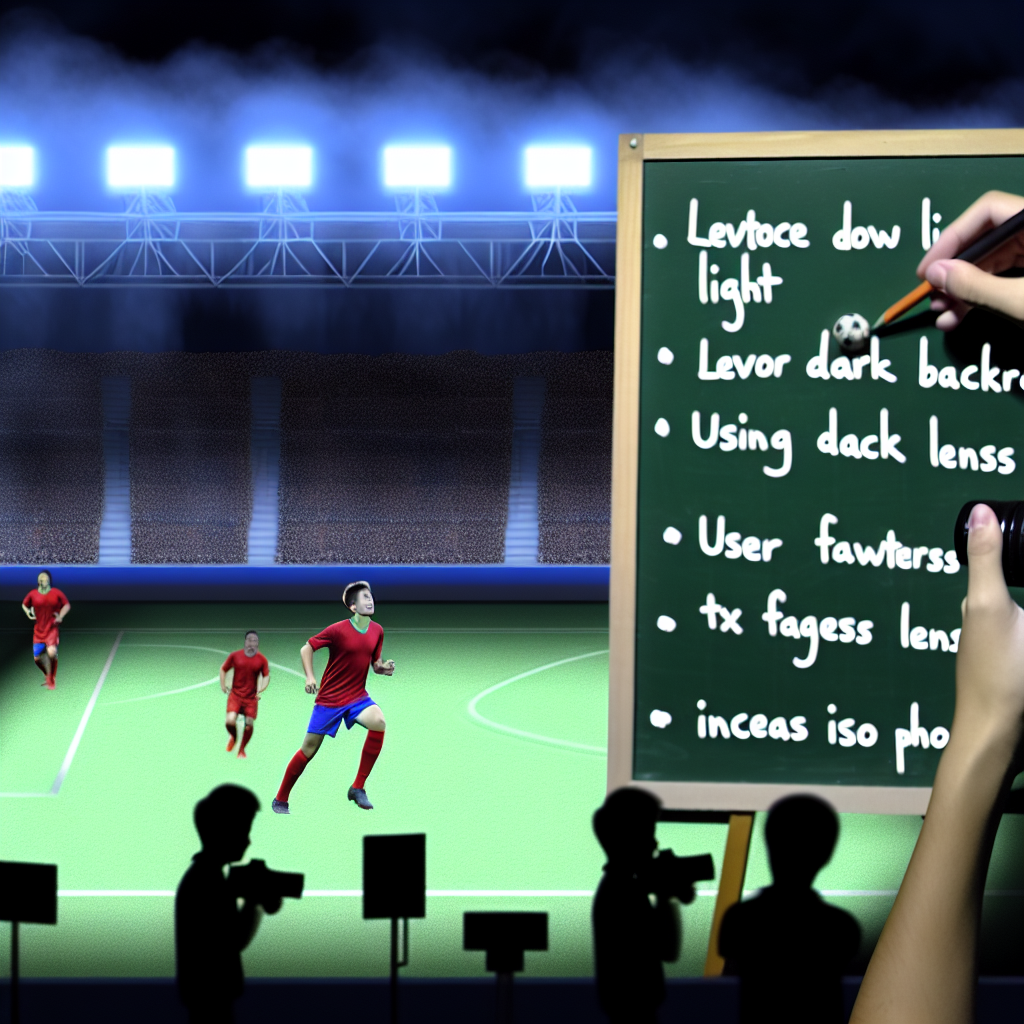
Competing in fast-paced matches under low light conditions can be a daunting challenge for any player. Whether you’re engaging in esports titles like Counter-Strike: Global Offensive, Valorant, or participating in real-world shooting sports, poor lighting can severely impact your accuracy, reaction time, and overall performance. However, mastering the art of shooting effectively in low light is not only possible but can provide you with a critical edge over opponents.
In this article, we will explore actionable tips, practical techniques, and scientific insights to help you improve your shooting skills under dim or challenging lighting environments. From understanding the physiological impact of low light on vision to optimizing equipment settings and training methods, these strategies are designed to elevate your competitive gameplay.
Understanding the Challenges of Low Light Environments
Before diving into specific tips, it’s essential to understand why low light conditions make shooting more difficult. The human eye relies heavily on adequate lighting to perceive details such as target shape, distance, and movement. In low light:
- Pupil Dilation: The pupils dilate to allow more light in, but this reduces depth of field and focus accuracy.
- Reduced Color Perception: Colors become muted or distorted, making it harder to distinguish targets from backgrounds.
- Slower Reaction Times: Visual processing slows down as the brain struggles to interpret less clear images.
- Increased Eye Strain: Prolonged focus in dim conditions causes fatigue and reduces sustained attention.
A study by the American Optometric Association found that reaction times can increase by up to 20% in low-light conditions compared to well-lit environments. This delay can be the difference between winning or losing a competitive match where every millisecond counts.
Optimize Your Equipment Settings for Low Light
The first step towards improving your performance under low-light scenarios is ensuring your equipment is optimized. Whether you’re using a gaming mouse and monitor or actual firearms with optics, settings play a crucial role.
Adjusting Display and Sensitivity Settings (For Esports)
- Increase Brightness and Contrast: Adjust your monitor’s brightness slightly higher than normal but avoid overexposure which can wash out details.
- Tweak Gamma Levels: Gamma controls midtones without affecting blacks and whites excessively. Experimenting with gamma can reveal hidden shadows or targets better.
- Use High Refresh Rate Monitors: These reduce motion blur which becomes more noticeable in dim scenes.
- Sensitivity Calibration: Lower mouse sensitivity slightly to improve precision when visual cues are faint but maintain enough agility for quick flick shots.
Selecting the Right Optics and Ammunition (For Physical Shooting)
- Night Sights or Tritium Inserts: These provide glowing reticles or markers that remain visible without external power sources.
- Use Red Dot Sights with Adjustable Brightness: Red dots are easier to see against dark backgrounds; ensure brightness is set appropriately for ambient light levels.
- Ammunition Selection: Some ammunition types produce brighter muzzle flashes that may temporarily impair vision; consider low-flash options if available.
- Tactical Flashlights or Infrared Devices: When permitted, attach flashlights with adjustable beams or use IR illuminators paired with night vision gear for enhanced visibility.
A case study from a competitive shooting tournament showed that participants who switched from standard iron sights to red dot optics with adjustable brightness improved their hit accuracy by approximately 15% during night matches, demonstrating the importance of suitable equipment choices.
Train Your Eyes and Brain for Low Light Adaptation
The human visual system is adaptable. Training your eyes and brain specifically for low-light conditions can significantly reduce reaction times and improve target acquisition speed during matches.
- Dark Adaptation Exercises: Spend time before matches in darkened rooms or shadowed areas allowing your pupils to dilate naturally—this process takes about 20-30 minutes but improves night vision dramatically.
- Pursuit Eye Movements Practice: Practice tracking slow-moving objects in dim light helps enhance smooth pursuit eye movements essential for following opponents’ movements smoothly without losing focus.
- Saccadic Training: Rapid eye movement exercises between two fixed points under reduced lighting improve quick refocusing ability during fast-paced scenarios.
- Mental Visualization Techniques: Visualize potential match scenarios under low light; mental rehearsal activates neural pathways that improve actual performance when faced with similar conditions.
A report published in the Journal of Vision indicated that athletes who performed targeted visual training showed up to a 12% improvement in shooting accuracy under challenging lighting after six weeks of consistent practice—a testament to neuroplasticity benefits when training for specific environmental challenges.
Create Effective Pre-Match Routines Focused on Lighting Conditions
A well-designed pre-match routine prepares both mind and body for optimal performance. Incorporating steps focused on lighting adaptation can give you an early advantage once competition begins.
- <