How to Select the Right Shooting Gloves for Matches
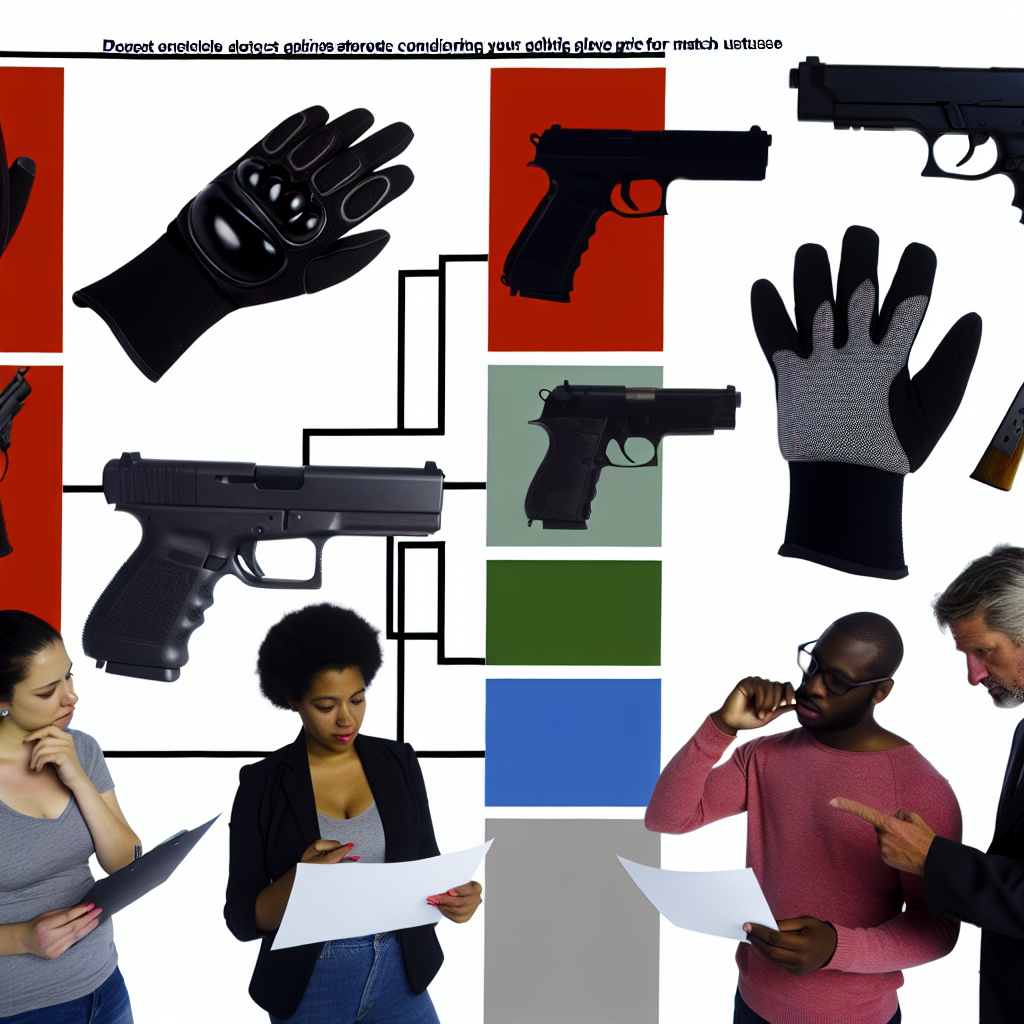
Shooting gloves are an essential piece of equipment for competitive shooters, whether in pistol, rifle, or shotgun disciplines. The right pair can significantly enhance comfort, grip, and precision, while the wrong gloves may hinder performance or cause discomfort during critical moments. With numerous options available on the market, choosing the perfect shooting gloves for matches can be overwhelming. This comprehensive guide will help you navigate the selection process by exploring key factors, material considerations, fit and sizing tips, and practical examples to ensure you make an informed decision.
Understanding the Importance of Shooting Gloves in Competition
Shooting gloves do much more than simply protect your hands; they improve your overall shooting experience and performance. In competitive shooting sports like IPSC (International Practical Shooting Confederation), USPSA (United States Practical Shooting Association), or Olympic rifle matches, even minor advantages can translate into better scores and rankings.
Here are some reasons why shooting gloves matter:
- Enhanced Grip: Many shooting gloves feature textured palms or silicone grips that improve weapon handling and control.
- Recoil Absorption: Gloves with padding help reduce the impact of recoil on your hands, allowing for better follow-up shots.
- Protection: They shield your skin from abrasions, hot barrel contact, or rough surfaces encountered during tactical or outdoor matches.
- Temperature Regulation: Certain gloves offer insulation in cold weather or breathability in hot conditions to maintain comfort throughout long competitions.
- Tactile Sensitivity: High-quality shooting gloves maintain fingertip sensitivity necessary for trigger control and manipulating small components.
A survey conducted among competitive shooters by Shooting Sports USA revealed that over 65% of respondents considered gloves as a critical accessory for match success. This underscores their value in a shooter’s gear setup.
Key Factors to Consider When Choosing Shooting Gloves
Selecting the right shooting gloves involves balancing several important factors tailored to your specific needs and shooting style. Understanding these variables will help you narrow down your choices effectively.
1. Type of Shooting Discipline
The demands of different shooting sports influence glove selection. For instance:
- Pistol Shooters: Often prioritize dexterity and trigger feel; may prefer lightweight gloves with minimal padding.
- Rifle Shooters: Might need extra warmth and cushioning due to longer exposure times and heavier recoil.
- Shotgun Shooters: Require durable gloves with good grip to handle rapid reloads and shotgun recoil efficiently.
Knowing your primary discipline helps determine which features are most important.
2. Material Composition
The fabric and construction of shooting gloves greatly affect their performance characteristics:
- Leather: Offers excellent durability, natural grip, and protection but can be less breathable and stiff initially.
- Synthetic Fabrics (e.g., Neoprene, Nylon): Lightweight, flexible, moisture-wicking materials that often provide superior ventilation but may wear faster.
- Kevlar or Cut-Resistant Materials: Used in tactical shooting gloves for enhanced protection against abrasions or cuts.
- Lined vs. Unlined: Lined gloves provide warmth but can reduce sensitivity; unlined options maximize tactile feedback but offer less insulation.
A case study from a national-level IPSC competitor showed that switching from thick leather gloves to thin synthetic models improved shot accuracy by approximately 7%, attributed to better trigger feel without sacrificing grip.
3. Fit and Sizing
A well-fitting glove is paramount for maintaining control and comfort during matches. Poorly fitting gloves can cause bunching, restrict movement, or reduce tactile sensitivity. Consider these tips when evaluating fit:
- The glove should feel snug but not tight; you should be able to flex fingers freely without excess fabric folding at joints.
- Shooters with smaller hands may require women’s or youth sizes; some manufacturers offer custom sizing options.
- If possible, try on different brands since sizing standards vary widely across manufacturers.
- Avoid buying oversized gloves thinking they’ll “break in” — oversized gloves tend to reduce control rather than improve it.
4. Weather Conditions
Your competition environment plays a vital role in glove selection:
- Cold Weather Matches: Insulated or thermal-lined gloves keep hands warm without sacrificing too much dexterity.
- Hot Weather Competitions: Lightweight, breathable fabrics with moisture-wicking properties prevent sweaty palms that could impair grip.
- Damp or Rainy Conditions: Waterproof or water-resistant gloves ensure consistent performance despite wet surroundings.
Anecdotal reports from outdoor shooters confirm that switching to moisture-wicking synthetic materials improved hand comfort by up to 30% during summer competitions compared to traditional leather models.
The Role of Grip Technology in Shooting Gloves An often overlooked yet crucial feature is the glove’s grip technology—the way it enhances contact between hand and firearm controls such as grips, triggers, and safety mechanisms can significantly affect your performance.
Choosing the right shooting gloves can greatly enhance your comfort and control during matches, ultimately leading to better results.