How to Set Goals for Competitive Shooting Improvement
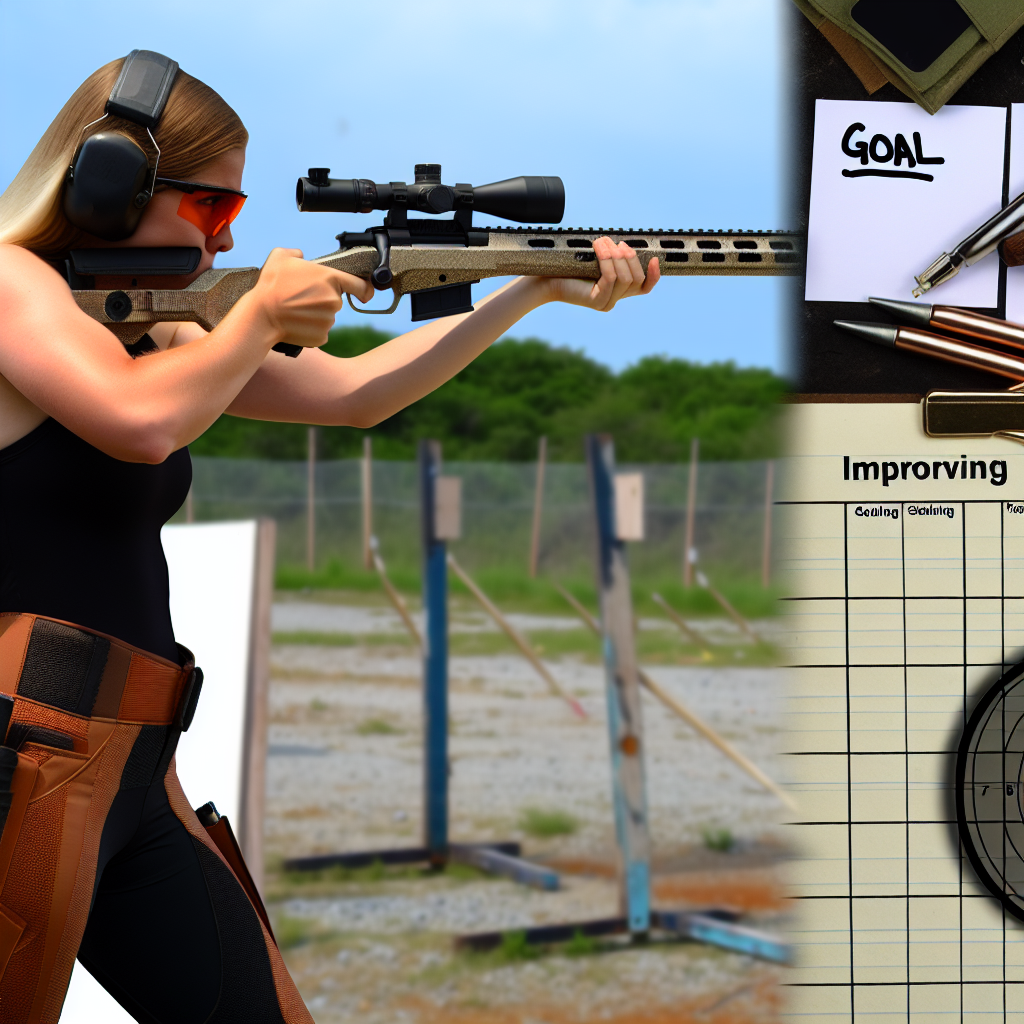
Competitive shooting is a demanding sport that requires precision, discipline, and continuous improvement. Whether you are a novice aiming to break into competitions or an experienced marksman striving for higher rankings, setting clear and effective goals is essential for progress. Goal setting not only provides direction but also motivates shooters to push their limits and refine their skills systematically.
This article delves into the art and science of goal setting for competitive shooting improvement. By understanding how to craft achievable objectives, track progress, and maintain focus, shooters can significantly enhance their performance over time.
Understanding the Importance of Goal Setting in Competitive Shooting
Before diving into the mechanics of goal setting, it’s crucial to understand why goals matter in competitive shooting. The sport demands consistency under pressure, which cannot be attained through random practice or vague intentions.
- Provides Direction: Clear goals help shooters focus on specific areas needing improvement rather than practicing aimlessly.
- Increases Motivation: Achieving milestones boosts confidence and encourages continued effort.
- Measures Progress: Goals allow shooters to quantify improvements through metrics like accuracy, reaction time, or competition scores.
- Enhances Mental Toughness: Goal-oriented training strengthens concentration and resilience during competitions.
A study published by the International Journal of Sports Science & Coaching found that athletes who set specific, measurable goals improved their performance by up to 15% more than those who didn’t use structured goal-setting techniques. This statistic underscores the transformative impact of well-planned objectives in competitive sports.
Types of Goals: Long-Term vs. Short-Term in Shooting
Effective goal setting involves balancing both long-term aspirations and short-term achievements. Understanding this distinction helps shooters maintain steady progress without losing sight of their ultimate objectives.
Long-Term Goals
These are broad objectives that define where you want to be in your shooting career over an extended period—typically a year or more. Examples include:
- Qualifying for a national championship
- Improving overall competition ranking by a certain percentage
- Mastering advanced shooting techniques such as rapid-fire or precision drills
Long-term goals provide motivation during challenging phases but can sometimes feel overwhelming if not broken down further.
Short-Term Goals
Short-term goals are actionable steps that lead toward long-term success. They are usually set on a weekly or monthly basis and focus on incremental improvements. Examples include:
- Increasing shot group tightness by reducing average spread from 2 inches to 1 inch within one month
- Improving reload speed by half a second over two weeks
- Completing mental visualization exercises before every practice session for two weeks straight
The combination of both types ensures steady momentum while keeping your eyes on larger ambitions.
SMART Goal Framework: Creating Effective Objectives for Shooting Improvement
The SMART framework is widely recognized as an effective method for crafting meaningful and attainable goals. SMART stands for Specific, Measurable, Achievable, Relevant, and Time-bound. Applying this framework to competitive shooting can transform vague desires into concrete plans.
- Specific: Clearly define what you want to achieve. Instead of “improve accuracy,” say “increase hitting the bullseye from 60% to 75%.”
- Measurable: Use quantifiable criteria like scores, times, or percentages to track progress objectively.
- Achievable: Set realistic targets based on your current skill level and resources available to avoid frustration.
- Relevant: Ensure your goals align with your overall aspirations in competitive shooting—for example, improving accuracy before focusing on speed if you struggle with hitting targets consistently.
- Time-bound: Assign deadlines such as “within three months” or “by next competition” to create urgency and accountability.
Example of a SMART Goal:
“Increase my average score in the USPSA Production Division from 85% to 90% accuracy within six months by practicing twice weekly and analyzing match footage.”
This goal is specific (increase average score), measurable (from 85% to 90%), achievable (assuming current training frequency), relevant (directly tied to competition performance), and time-bound (six months).
The Role of Mental Conditioning and Visualization in Goal Achievement
Shooting is as much a mental game as it is physical skill execution. Many accomplished competitive shooters credit mental conditioning as a key factor in their success. Incorporating psychological training into your goal-setting process can enhance consistency under pressure.
- Mental Rehearsal/Visualization: Athletes imagine executing perfect shots or handling competition stress effectively. Research published in the Journal of Applied Sport Psychology found that visualization improves motor skills by reinforcing neural pathways used during physical practice.
- Meditation and Focus Training: Practices such as mindfulness meditation help shooters remain calm and focused during events—critical when milliseconds count.
- Anxiety Management Techniques: Learning breathing exercises or cognitive reframing
Anxiety Management Techniques: Learning breathing exercises or cognitive reframing can help shooters manage their stress and maintain composure during competitions.
By integrating these mental strategies into your training, you can significantly enhance your performance and achieve your shooting goals.