How to Build a Competition-Ready AR-15
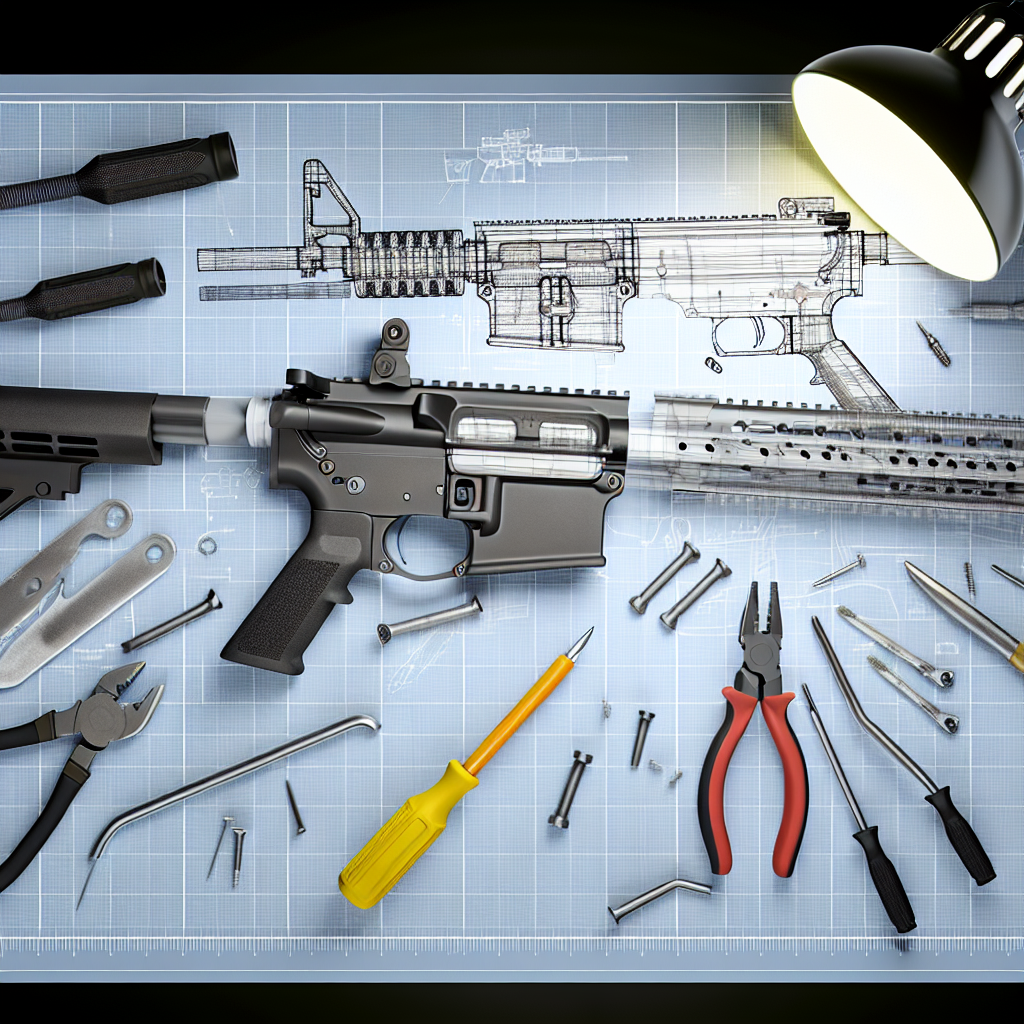
The AR-15 platform has become the go-to rifle for competitive shooting sports such as 3-Gun, Precision Rifle Series (PRS), and other tactical competitions. Its modularity, reliability, and customization options make it an ideal choice for shooters looking to gain an edge on the range. However, building a competition-ready AR-15 requires more than just assembling parts; it demands thoughtful selection, precise tuning, and understanding how each component impacts performance.
In this article, we will explore the essential steps and considerations when building an AR-15 optimized for competition. From choosing the right upper receiver to selecting triggers and optics, this guide will help you craft a rifle that is accurate, reliable, and tailored to your specific competitive needs.
Understanding the Competition Requirements
Before diving into parts and assembly, it’s crucial to understand what makes an AR-15 “competition-ready.” Different shooting sports have distinct demands:
- 3-Gun Competitions: Require quick target acquisition, rapid follow-up shots, and reliability under timed stages.
- Precision Rifle Series (PRS): Focus on long-range accuracy and precision shooting from various positions.
- Service Rifle Matches: Emphasize consistency, reliability, and adherence to specific rules regarding rifle configuration.
Your build should reflect these goals. For instance, a 3-Gun rifle prioritizes speed and handling, while a PRS rifle emphasizes barrel quality and optics.
Case Study: In the 2022 USPSA Multi-Gun Championship, many top competitors favored mid-length gas systems paired with lightweight barrels to balance recoil management and maneuverability. This highlights how understanding competition dynamics influences build choices.
Selecting Key Components for Your AR-15 Build
The foundation of any great AR-15 is its components. Let’s break down the critical parts you need to focus on when building a competition rifle:
1. Upper Receiver Group
The upper receiver houses the barrel, bolt carrier group (BCG), gas system, and handguard. These components significantly affect accuracy and reliability.
- Barrel: Opt for a free-floating barrel made from quality steel like 416R stainless or chrome-moly steel. Barrel length depends on your discipline; 16” barrels are common in 3-Gun for balance between velocity and maneuverability, while PRS shooters often prefer 18” or longer barrels for improved ballistics.
- Gas System Length: Mid-length gas systems tend to provide smoother recoil impulse compared to carbine-length systems by reducing gas pressure at the bolt carrier group. This leads to better controllability during rapid fire.
- Muzzle Device: Consider a compensator or muzzle brake specifically designed for recoil reduction. Devices like the VG6 Precision Gamma or SureFire ProComp can significantly reduce muzzle rise.
2. Bolt Carrier Group (BCG)
A high-quality BCG ensures reliable cycling under competition stress. Look for components that are properly staked with enhanced coatings such as nickel boron or nitride for reduced friction and corrosion resistance.
- Choose full-auto rated BCGs even if your rifle is semi-auto; they tend to be more robust.
- Cerakote finishes can add durability but may slightly increase cost.
3. Lower Receiver Group
The lower receiver houses the trigger assembly, magazine well, buffer system, and controls like the safety selector.
- Trigger: One of the most critical upgrades is a match-grade trigger with a crisp break and minimal overtravel. Brands like Geissele Automatics (SSA-E), Timney Triggers, or CMC Triggers are popular among competitors for their reliability and feel.
- Buffer System: A properly weighted buffer spring setup can reduce recoil impulse further by optimizing bolt carrier group speed. Some shooters use tungsten buffers or adjustable systems like JP Enterprises’ Silent Capture Spring Kit.
- Pistol Grip & Controls: Ergonomic grips such as Magpul MOE or BCM Gunfighter enhance control during dynamic shooting stages. Ambidextrous selectors can improve usability depending on your preference.
The Importance of Optics and Sights in Competition Shooting
A competition-ready AR-15 is nothing without reliable aiming systems tailored to your sport’s demands.
- Red Dot Sights: For fast target acquisition in close-to-mid-range competitions like 3-Gun or tactical matches, red dots such as Aimpoint PRO or Trijicon MRO offer durability and battery life suitable for long events.
- Variable Power Scopes: PRS competitors often use scopes with adjustable magnification ranging from 4x to 16x or higher (e.g., Vortex Razor HD Gen II-E) paired with first focal plane reticles that allow accurate holdovers at various ranges.
- Sling Mounts & Backup Iron Sights (BUIS): Even in competitions emphasizing optics, backup iron sights provide redundancy in case of optic failure during high-stress scenarios.
Statistics: Understanding the performance metrics of your setup can provide insights into areas for improvement and ensure you’re competitive on the range.
By focusing on these critical components, you can build an AR-15 that excels in competition settings and meets your specific shooting needs.