If you’ve ever watched your handgun fling brass to one side, straight back, or into a completely unpredictable arc, you know how distracting—and sometimes concerning—it can be. Erratic ejection isn’t just a range annoyance; it can also be a clue that something in the firearm, ammunition, or shooting setup isn’t quite right. In a well-functioning pistol, brass should leave the ejection port in a fairly consistent pattern, and when that pattern changes, it’s worth paying attention. For responsible gun owners, understanding ejection behavior is part of knowing your firearm, maintaining it properly, and staying safe and reliable on the range or in the field.
What Causes Erratic Brass Ejection Patterns?
Handgun ejection is the result of a carefully timed mechanical sequence: the slide moves rearward, the extractor pulls the spent case from the chamber, and the ejector kicks it clear of the pistol. If any part of that cycle is off, brass can land in odd places. Common causes include a weak or worn extractor, a damaged ejector, recoil spring issues, or a slide that isn’t cycling with enough speed or consistency. Even something as simple as a dirty chamber or carbon buildup in the extractor groove can interfere with reliable case control.
Ammunition also plays a major role. Factory loads with different pressures, bullet weights, or recoil impulses can change how a handgun cycles, especially in pistols that are already on the edge of reliability. Steel-cased or underpowered ammunition may produce a different ejection pattern than standard brass-cased loads, and handloads that are not properly tuned can create the same effect. In some cases, the pistol is mechanically sound, but the ammo is simply too soft or too hot for that particular setup.
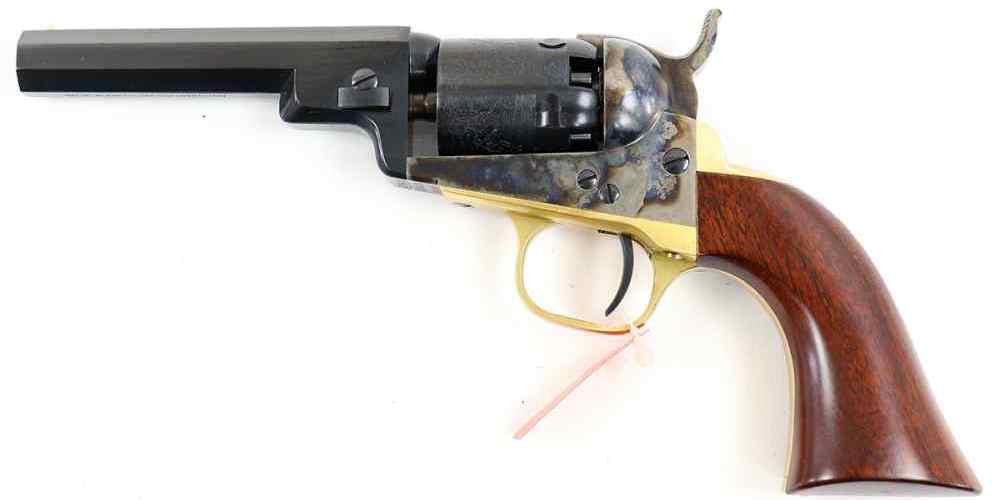
Shooter technique can be part of the picture as well. Modern semi-automatic pistols are generally designed to tolerate a degree of variation, but a very loose grip, “limp-wristing,” or an inconsistent stance can reduce the resistance needed for the slide to cycle properly. That doesn’t mean every ejection issue is user error—far from it—but it’s important to consider all variables before assuming a serious malfunction. Historical handgun designs and more modern striker-fired pistols alike rely on balanced timing, and when that balance is disrupted, the brass often tells the story first.
How to Diagnose and Fix Ejection Problems
Start with the basics: clean and inspect the pistol thoroughly, paying close attention to the extractor, ejector, chamber, recoil spring, and slide rails. Look for chipped extractor hooks, weakened springs, cracked parts, or obvious wear patterns. A dirty or rough chamber can cause the case to stick briefly before extraction, and that small delay can change where the brass lands. If you’re comfortable doing so and the firearm’s manual allows it, compare the condition of parts against the manufacturer’s specifications, and replace anything worn before chasing more complicated explanations.
Next, test your handgun with known-good ammunition from a reputable manufacturer. Use standard-pressure loads first, ideally in the bullet weight the pistol was designed to run best. If the ejection pattern normalizes, the issue may have been ammo-related rather than a mechanical fault. If the brass still ejects inconsistently, try different magazines as well; while magazines don’t directly launch the brass, feeding issues can affect slide speed and overall cycling. Recording where the brass lands can help you spot patterns—straight back often suggests weak ejection or inconsistent slide velocity, while erratic scatter may point to extractor tension, ammunition variability, or spring problems.
If basic cleaning and ammo checks don’t solve the issue, it’s time to consult a qualified gunsmith or the manufacturer’s service department. Recoil springs wear out over time and can change cycling characteristics long before they fail dramatically, so replacing them at recommended intervals is a smart preventive measure. Similarly, extractor tension may need adjustment on some models, but that work should be handled carefully and by someone who understands the platform. Above all, keep safety first: always unload the firearm before inspection, follow the manufacturer’s instructions, and never ignore signs of unreliable function. A handgun that ejects brass erratically may still fire, but reliable ejection is part of reliable operation—and reliable operation is essential for responsible ownership.
Erratic brass ejection is often a symptom, not the problem itself. By paying attention to the ejection pattern, you can often trace the issue back to ammunition, maintenance, wear, or shooter technique before it becomes a larger reliability concern. For firearm owners, hunters, and self-defense practitioners alike, that kind of awareness is valuable because it supports both performance and safety. A handgun should run consistently, and when it doesn’t, the brass is usually trying to tell you why.