Point shooting has long been part of the conversation among hunters, defensive shooters, and experienced gun owners who value speed and instinctive alignment. While much of shooting advice focuses on sight picture and trigger control, one often overlooked factor can dramatically influence how naturally a pistol points: grip angle. A small change in how the hand meets the frame can make the sights feel like an afterthought or, in some cases, reveal why a firearm never quite “comes on target” the way a shooter expects.
For responsible shooters, this is not about replacing fundamentals or skipping practice. It is about understanding how anatomy, stance, and equipment interact. When the grip angle matches the shooter’s natural wrist position, point shooting becomes smoother, faster, and more consistent—especially in close-range defensive or field scenarios where rapid indexing matters. As always, safe firearm handling, range discipline, and legal awareness remain the foundation of any shooting skill.
How Grip Angle Changes Point Shooting Control
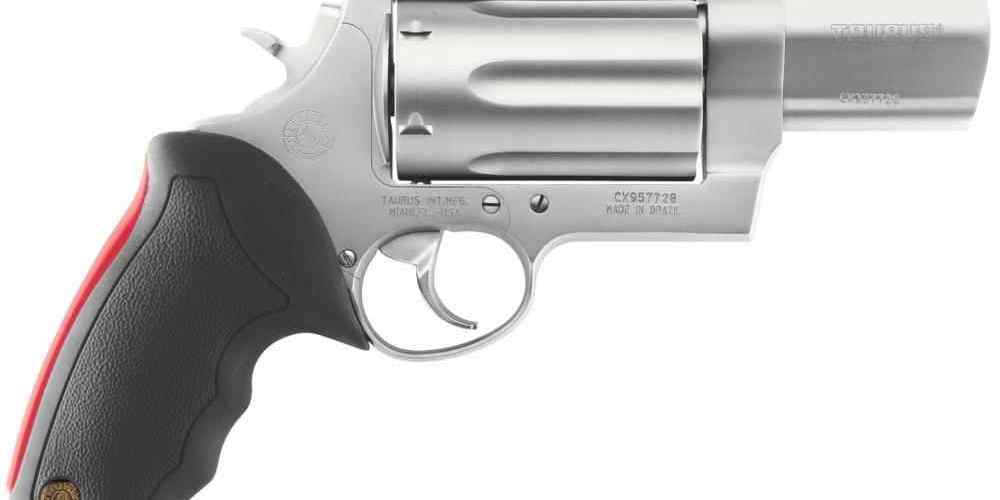
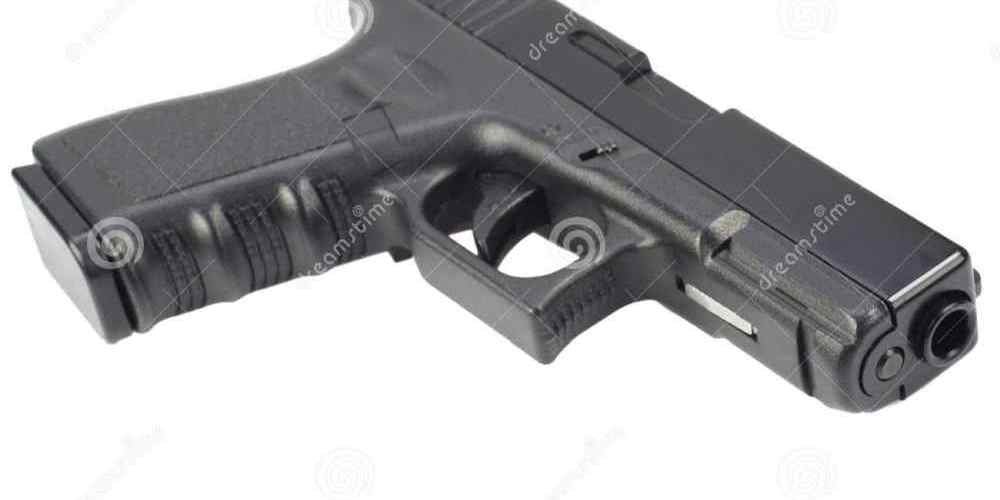
Grip angle refers to the relationship between the bore axis and the grip frame, and it has a direct effect on where the muzzle settles when a shooter extends the gun naturally. A steeper grip angle can rotate the wrist differently than a more neutral one, which may cause the muzzle to point high or low for that individual. That is why some shooters instinctively “find” certain pistols better than others even when the mechanical accuracy is equally excellent.
In practical terms, point shooting depends on repeatable body mechanics. If the grip angle complements the shooter’s wrist, forearm, and shoulder alignment, the firearm tends to index more naturally toward the target without conscious correction. This can be especially useful in defensive training, where a shooter may need to respond at close range and cannot rely solely on aligning front and rear sights before every shot. Still, point shooting should be trained responsibly and only on a safe range or in a controlled training environment.
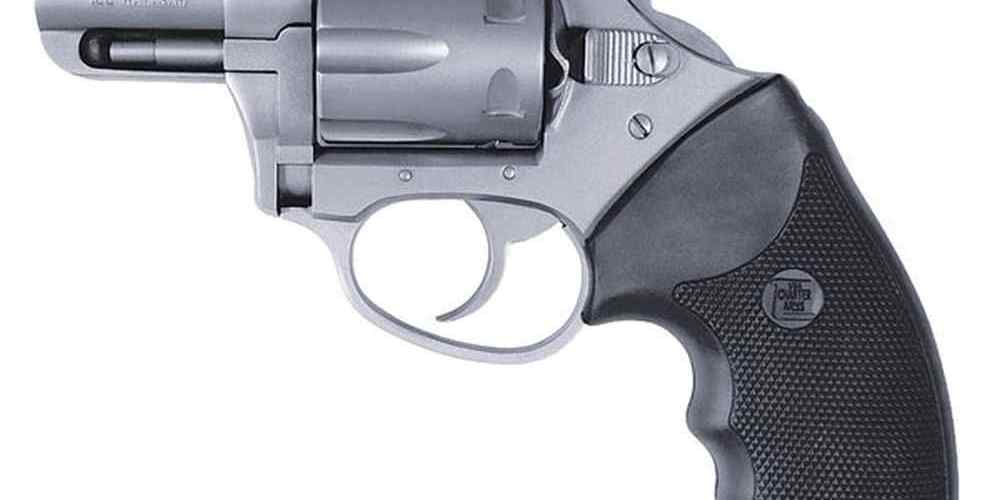
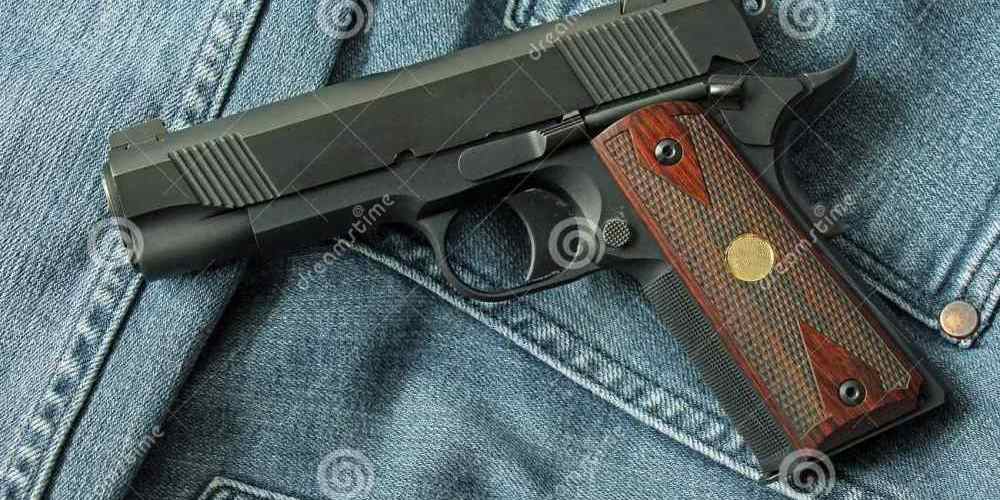
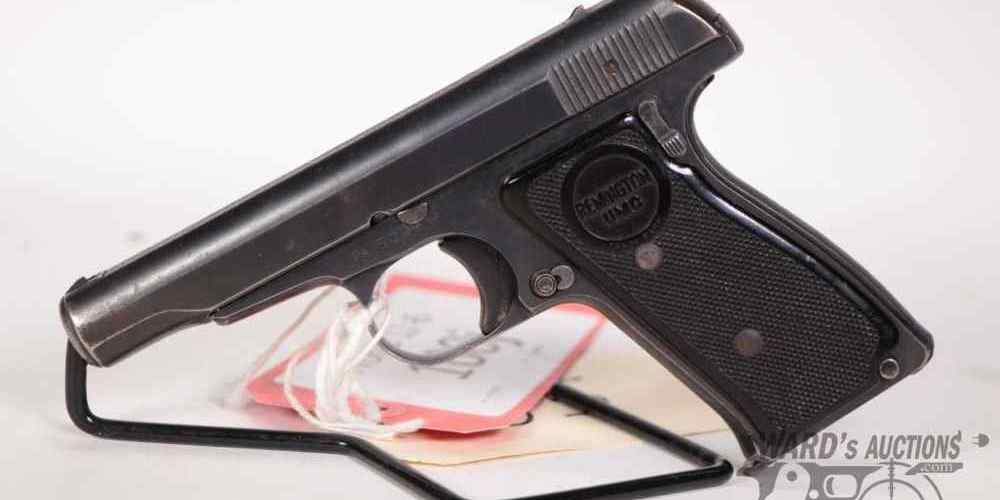
Historically, service pistols with different frame geometries have influenced generations of shooters. Designs like the 1911, with its distinctive grip angle, feel natural to many because they promote a particular wrist position, while other platforms are deliberately more neutral to aid a broader range of users. The lesson is not that one angle is universally superior, but that grip geometry affects handling more than many shooters realize. Understanding this helps owners choose sidearms, stocks, grips, or backstraps that support safe, efficient control rather than fighting the shooter’s natural point of aim.
Master Point Shooting With a Small Grip Shift
A small grip shift often produces the biggest change in point shooting performance. Before changing hardware, try adjusting hand placement: raise or lower the web of the hand on the backstrap, rotate the support hand slightly, and check whether the wrist stays locked in a more relaxed, repeatable position. The goal is not to “force” the muzzle onto target, but to find the grip that lets the gun index consistently when presented from a ready position.
Many modern handguns offer modular backstraps, interchangeable grip panels, or aftermarket grip sleeves that can help fine-tune angle and fit. For some shooters, a slight adjustment toward a fuller, more secure purchase reduces overextension and improves control during fast presentations. Product choices should be guided by reliability, ergonomics, and lawful use, not by marketing claims. If you are considering modifications, ensure they do not interfere with trigger safety, holster compatibility, or local regulations.
The best way to master this is through deliberate, safe practice. Use dry-fire drills only in a verified unloaded condition, follow all firearm safety rules, and work with a qualified instructor if you are new to point shooting or grip adjustment. Then confirm your results on the live-fire range at appropriate distances, starting slow and building speed only when accuracy is consistent. With time, that small grip change can transform point shooting from a vague instinct into a controlled, dependable skill.
Grip angle is one of those subtle details that can quietly reshape a shooter’s entire relationship with a handgun. For some, a tiny shift in hand placement unlocks better indexing, less strain, and faster alignment under pressure. For others, it clarifies why a particular platform feels effortless while another never quite settles into the hand the same way.
The key is to approach the subject with patience, safety, and honest testing. Choose equipment that fits your hand, practice with discipline, and prioritize lawful, responsible firearm use at every step. When the grip angle and the shooter’s natural mechanics work together, point shooting becomes less about guessing and more about controlled, confident performance.