Choosing a first defensive firearm is one of the most consequential decisions a new gun owner will make. Unfortunately, many buyers are influenced more by marketing, range chatter, or appearance than by the realities of defensive use. The result is often a firearm that looks appealing on the shelf but proves difficult to shoot well, maintain, or trust under stress. Responsible ownership starts with understanding that the “best” gun is not the one with the biggest reputation; it is the one that fits the shooter, the mission, and the legal and practical realities of home or personal defense.
Why New Buyers Pick the Wrong First Gun
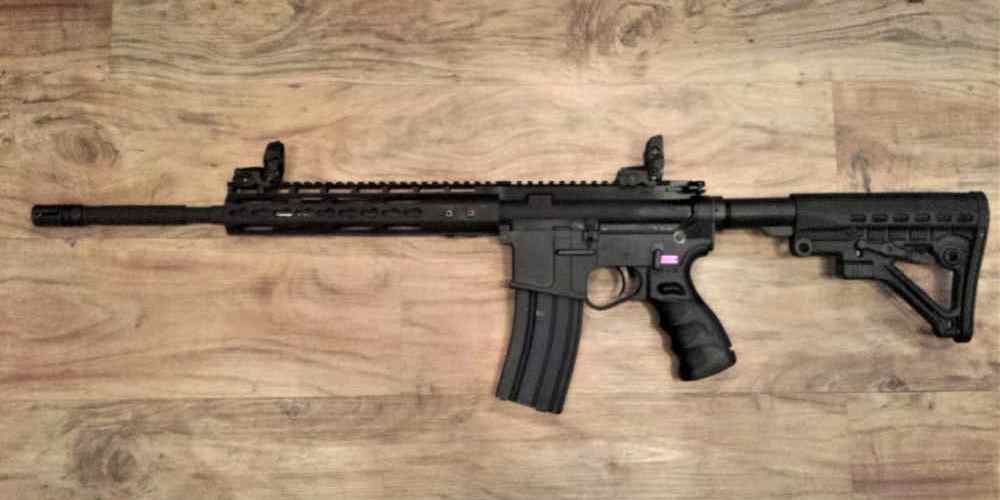
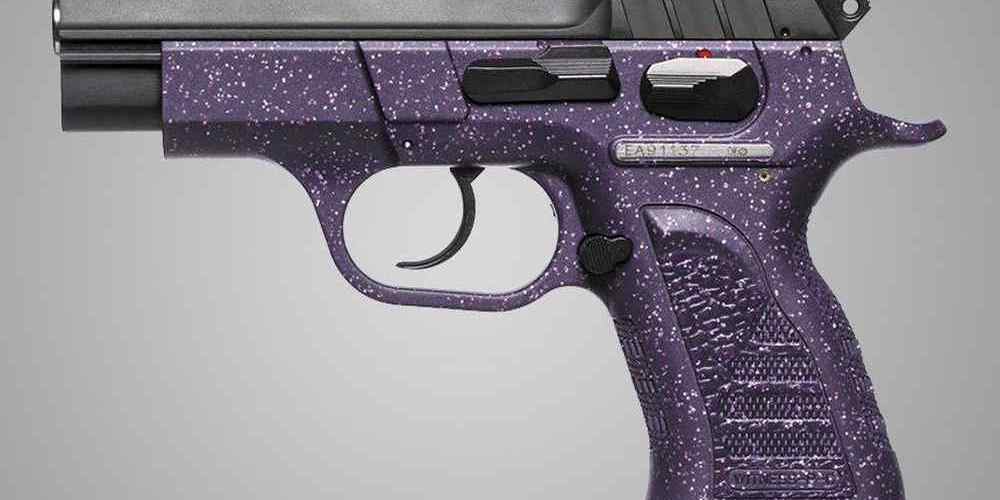
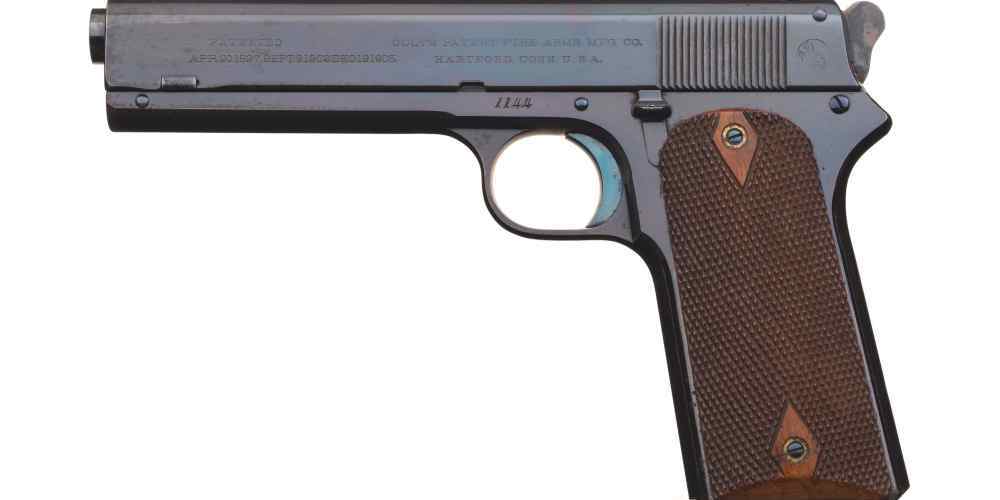
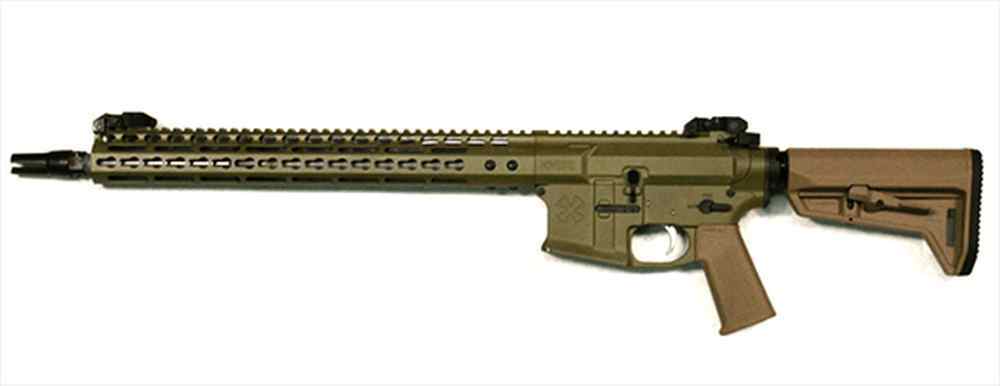
Many first-time buyers are drawn to firearms that seem powerful, iconic, or easy to justify emotionally. Full-size handguns, compact pistols with flashy accessories, and even certain rifles can all look like sensible choices at first glance. But a defensive firearm is not a trophy or a range toy. If it is too large to handle comfortably, too heavy to carry consistently, too snappy to control, or too complicated to operate under stress, it becomes a poor defensive tool no matter how respected the brand may be.
A common mistake is equating size with effectiveness. Larger handguns often offer better recoil control, higher capacity, and easier handling for some shooters, but they also require more commitment to grip strength, holster selection, and concealment if the firearm will be carried. On the other hand, very small “mouse gun” style pistols may be easy to hide, yet they are often harder to shoot accurately and manipulate safely. New buyers can be lured toward either extreme without thinking through how they will train, store, and use the gun in realistic defensive scenarios.
Another reason people choose poorly is that they underestimate training and familiarity. The first firearm should not be the one that looks simplest on paper; it should be the one the owner can operate reliably after months or years of storage, surprise, and stress. Safety controls, trigger behavior, recoil impulse, and magazine changes all matter. A firearm that encourages regular practice, is easy to clear safely, and allows the shooter to build consistent habits will almost always outperform a more “advanced” platform that remains difficult or intimidating to use.
The Hidden Traits of a Better Defender
The best defensive firearm often wins on practical traits that are easy to overlook: controllability, reliability, simplicity, and fit. A handgun that returns to target quickly, with a trigger system the shooter understands, is usually more effective than a more powerful or fashionable option that is difficult to run accurately. The same principle applies to long guns. The ideal choice is the one that allows safe handling, manageable recoil, and confident operation in low-light, high-stress conditions.
Ergonomics matter more than many buyers expect. Grip angle, trigger reach, sights, magazine release placement, and overall weight can dramatically affect performance. A firearm that fits the shooter’s hands well promotes better muzzle control and less fatigue during practice. That is one reason experienced gun owners often advise trying several platforms before buying. Even a well-regarded defensive firearm can become the wrong choice if the owner cannot reach the trigger comfortably, keep the sights aligned, or manipulate controls without awkward hand shifts.
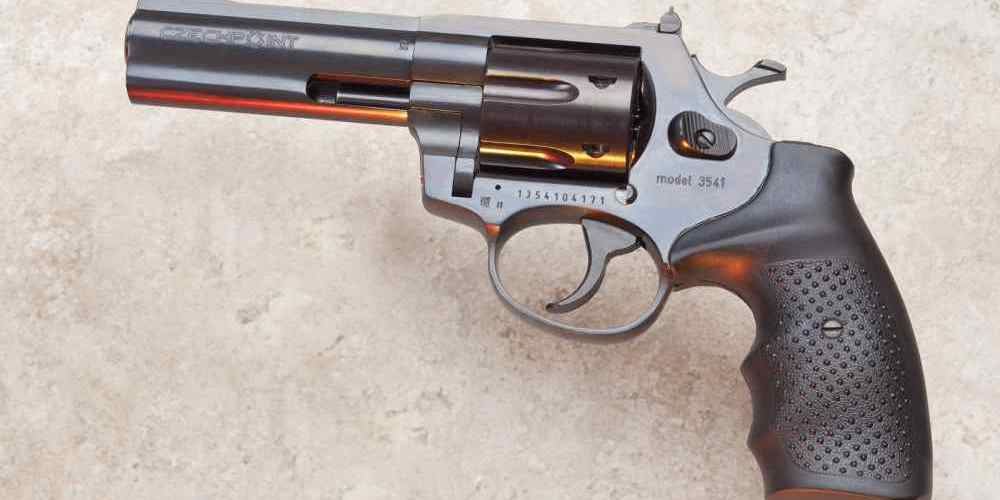
There is also a historical lesson here: defensive firearms that endure over time tend to be the ones that balance simplicity with reliability. From service revolvers to modern striker-fired pistols and proven defensive shotguns, the winners are usually not the most exotic designs but the most dependable ones. For new buyers, that means looking beyond trends and asking practical questions: Can I shoot it accurately? Can I maintain it safely? Can I afford quality ammunition and training? Will I actually practice with it? Those answers matter far more than internet approval or cosmetic appeal.
The wrong first defensive firearm is usually chosen for the wrong reasons—image, hype, or assumptions about what “real” protection should look like. A better approach is to start with honest self-assessment, guided range time, and a realistic plan for training, storage, and lawful use. The firearm that protects well is not simply the one with the strongest reputation; it is the one you can handle confidently, maintain responsibly, and deploy safely if you ever need it. In defensive shooting, competence is the true force multiplier, and the right first gun should help build it rather than get in the way.