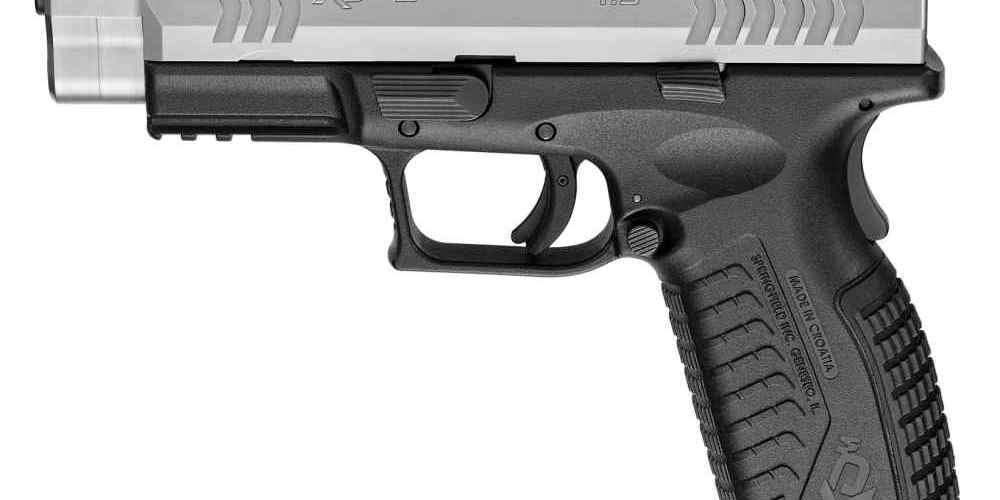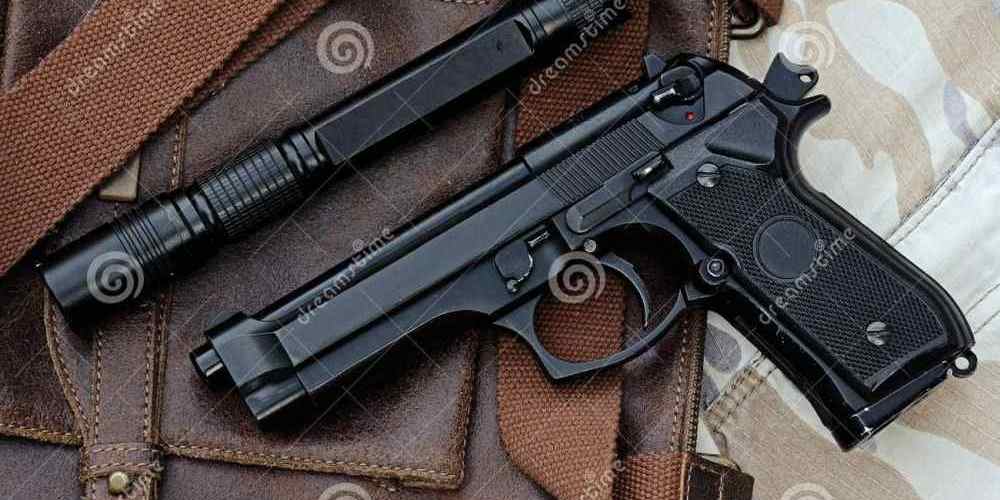
For many handgun owners, choosing a lubricant seems simple: grab whatever oil is on the bench, apply a few drops, and call it good. In reality, lubrication is one of the most overlooked parts of handgun maintenance, and the wrong choice can quietly affect reliability, wear, and long-term performance. A modern pistol may be engineered to run hard, but it still depends on the right film of lubricant in the right places to cycle smoothly and resist corrosion.
Responsible firearm ownership means understanding that not all lubricants behave the same. Some are too thin and disappear quickly, some are too thick and slow down moving parts in cold weather, and some attract dirt or residue that turns into abrasive paste. Whether you carry daily, shoot competitively, hunt, or simply keep a handgun for home defense, the lubricant you choose should support dependable function under real-world conditions.
Why Most Handgun Owners Pick the Wrong Lube
Many handgun owners choose the wrong lubricant because they assume all oils are basically interchangeable. That mistake is understandable, especially for new shooters who may already be balancing cleaning supplies, ammunition costs, and safe storage needs. But handguns operate under specific mechanical stresses: slide rails, barrel lugs, recoil springs, locking blocks, and trigger components all benefit from different levels of friction reduction and protection. A general-purpose oil may work temporarily, but it may not hold up to heat, dust, heavy firing schedules, or long-term carry.
Another common issue is over-lubrication. More is not always better. Too much oil can migrate into areas where it is not needed, collect carbon and debris, and create grime that interferes with smooth operation. This is especially important on defensive handguns that spend much of their time in holsters, concealed against the body, or stored for extended periods. A careful, minimal application often performs better than a heavy coating, provided the product is chosen correctly and applied to the proper contact points.
History also explains why so many owners get it wrong. For decades, gun maintenance culture relied on whatever petroleum-based product was available, and many shooters were taught to “oil it if it squeaks.” Modern firearms, however, are often built with tighter tolerances, advanced finishes, polymer frames, and different metallurgy than older designs. That means the best lubricant is usually one designed with firearms in mind, tested for stability, corrosion resistance, and performance across a range of temperatures. A product that works well on a vintage revolver may not be ideal for a striker-fired service pistol or a suppressed handgun that runs hotter and dirtier.
How the Right Lubricant Protects Performance
The right lubricant protects performance by reducing friction exactly where the handgun needs it most. On most pistols, that means the slide rails, barrel hood, locking surfaces, and other metal-to-metal contact points. When those areas are properly lubricated, the action cycles more smoothly, wear is reduced, and the firearm is less likely to feel sluggish during rapid strings of fire or in adverse conditions. This isn’t just about comfort; it is about maintaining consistent function and preserving the life of the handgun.
A quality gun lubricant also helps defend against corrosion, which matters whether your handgun is carried daily or stored in a safe for months at a time. Sweat, humidity, fingerprints, and environmental exposure can all attack metal surfaces, especially on concealed-carry guns that are handled often. The right product leaves a protective film that resists moisture without becoming sticky or gummy. Many owners also benefit from choosing lubricants formulated to remain stable in both heat and cold, since a gun that performs well at the range in summer should still function reliably in winter or in climate-controlled storage.
Practical use matters as much as product choice. Start with the manufacturer’s recommendations, because some handguns have specific lubrication points or caution against certain products on polymer, optics, or finishes. Clean first, then apply a small amount to key contact surfaces, and cycle the action to distribute it evenly. Check the handgun after a range session, after exposure to rain or sweat, and before defensive carry. A thoughtful maintenance routine—using the right lubricant in the right amount—doesn’t just improve performance; it supports safer, more dependable ownership every time the firearm is used.
Most handgun owners do not choose the wrong lubricant because they are careless; they usually do it because they underestimate how much lubrication affects reliability. The best product is not necessarily the one with the loudest marketing or the most familiar label, but the one that matches the firearm’s design, the environment it lives in, and the way it is used. When owners understand that difference, maintenance becomes less of a chore and more of a responsibility.
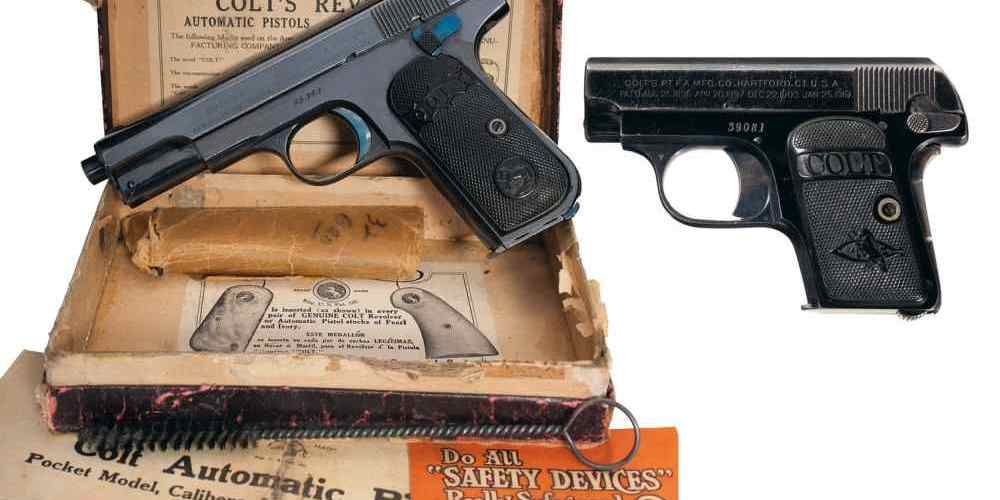
For anyone serious about safe, legal, and dependable firearm ownership, the lesson is simple: use a lubricant intended for firearms, apply it sparingly, and stay consistent with maintenance. A little knowledge goes a long way in preventing unnecessary wear, corrosion, and malfunction. In the end, the right lubricant is one of the easiest ways to protect both your handgun and your confidence in it.