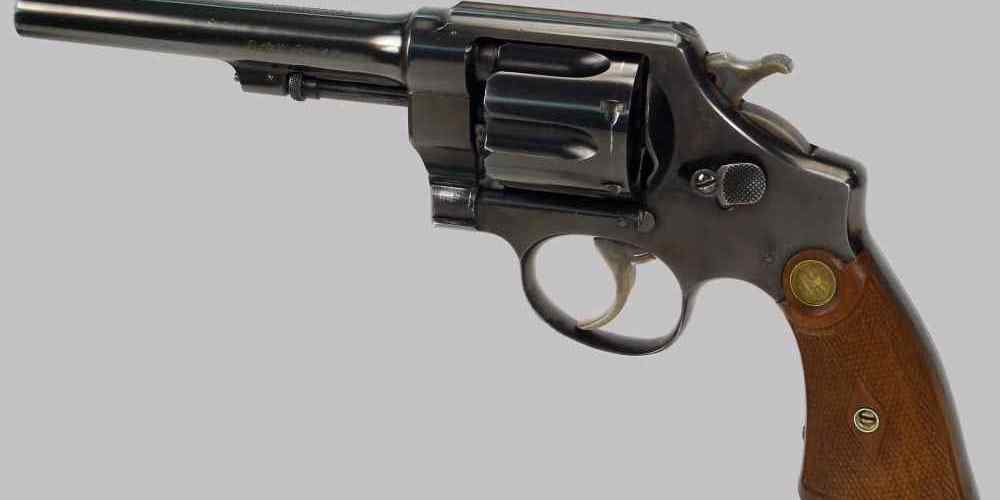
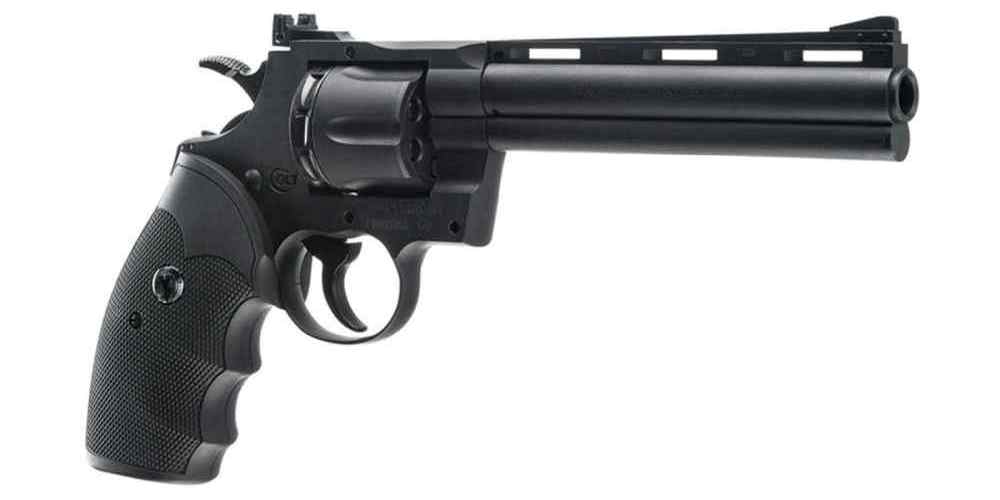
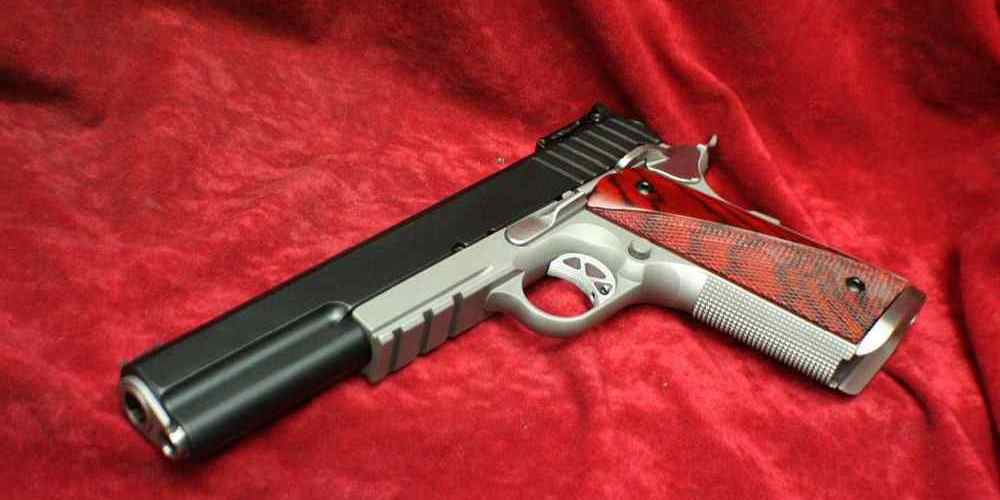
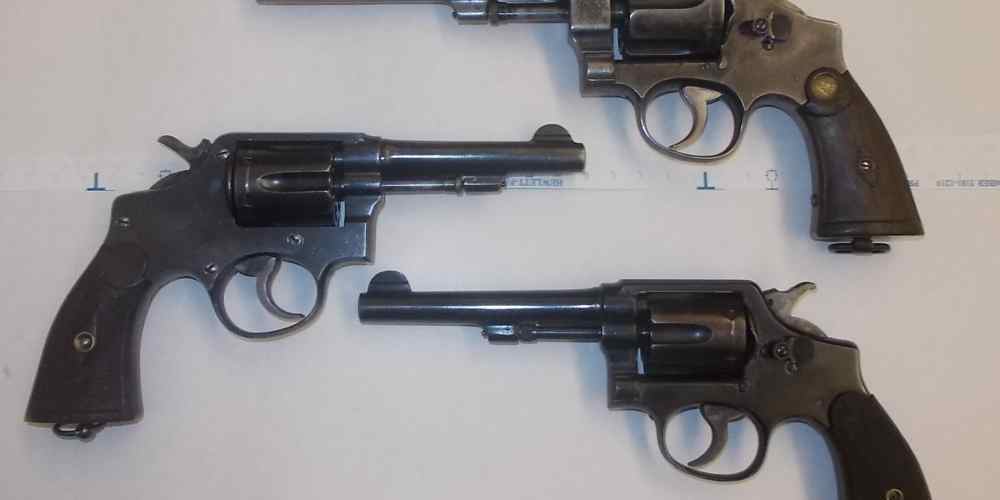
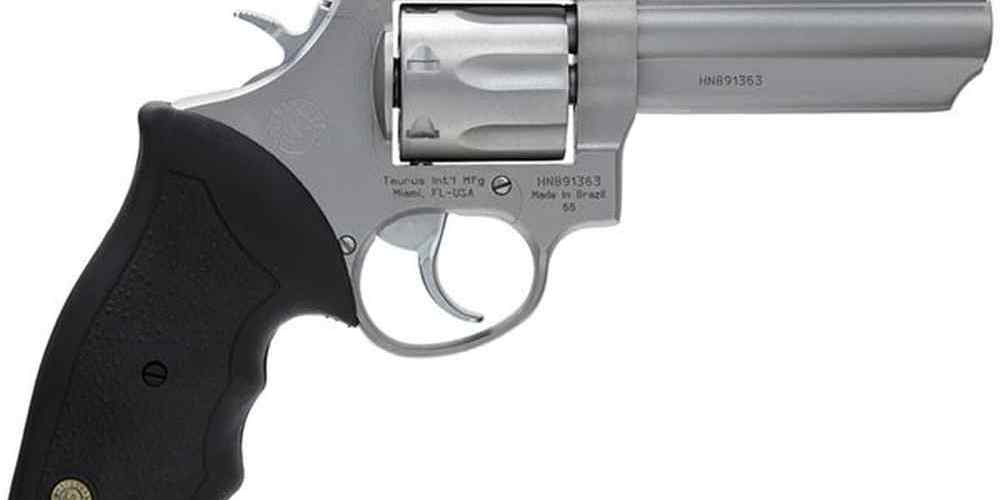
A handgun that extracts smoothly is a handgun you can trust, and that is why extractor spring health matters more than many owners realize. When a spring weakens or loses tension, the result can be frustrating at the range and potentially serious in defensive use: spent cases may stick, fail to clear the chamber, or create stoppages that interrupt the gun’s cycle. For responsible gun owners, understanding the extractor spring is part of understanding the whole operating system of the firearm.
Extractors have been part of handgun design for well over a century, and their role has remained remarkably consistent: grip the rim of the case and pull it free from the chamber after firing. In modern handguns, especially compact carry pistols and high-round-count duty guns, spring condition can make the difference between flawless ejection and persistent malfunctions. Upgrading the extractor spring is not a flashy modification, but it is one of the most practical reliability improvements an owner can make when done correctly and with attention to manufacturer guidance.
This article looks at why extractor springs fail, what causes stuck cases, and how a thoughtful spring upgrade can improve reliability without compromising safety or legality. Whether you shoot for defense, hunting sidearms, competition, or general range use, the goal is the same: a handgun that cycles consistently, extracts positively, and remains safe to own and operate. Always verify compatibility with your specific model and follow the firearm maker’s recommendations before replacing any internal part.
Why Extractor Springs Fail and Cases Stick
Extractor springs work under repeated stress, and like any mechanical component they eventually wear out. Every shot places the extractor under load as it hooks the case rim, and over time that constant flexing can reduce spring tension. Heat, fouling, corrosion, and long-term compression during storage can also contribute to fatigue, especially in pistols that are carried often but rarely maintained with a detailed inspection.
Stuck cases do not always mean the extractor spring is the only problem, but it is a common contributor. A weak spring may fail to keep the extractor firmly engaged with the cartridge rim, which can lead to partial extraction, inconsistent ejection, or a case left hanging in the chamber. Other factors such as dirty chambers, poor lubrication, worn extractor claws, underpowered ammunition, or a rough chamber finish can amplify the issue, so it is important to diagnose the entire system rather than assume one part is at fault.
Historically, many reliable handguns gained their reputation because their extractors were robust and simple to service. Yet as designs became smaller and recoil systems more compact, spring quality became even more important. On modern pistols, a tired extractor spring may show up as erratic ejection patterns, brass dribbling at your feet, or occasional failures to extract during strings of fire. Those warning signs should be taken seriously, because reliability problems rarely improve on their own.
Upgrade Tips for Reliable Handgun Extraction
The best extractor spring upgrade is one that matches your handgun model and intended use. Reputable parts manufacturers often offer spring kits with slightly stronger or improved-duty components designed to restore factory tension or provide a modest reliability margin. For defensive handguns, many owners prefer OEM or premium aftermarket springs that maintain reliable extraction without making the slide cycle excessively hard or altering the firearm’s timing.
Installation should be done carefully and with the correct tools, and if you are not experienced with internal pistol work, a qualified gunsmith is a smart investment. Before replacing anything, clear the firearm completely, inspect the extractor claw, chamber, and slide area, and compare the old spring to the new one for visible wear or deformation. After installation, function-check the pistol manually and then test it with the ammunition you actually intend to use, because extraction reliability can vary by load, magazine condition, and recoil spring strength.
A good spring upgrade is most effective when paired with responsible maintenance habits. Keep the chamber clean, inspect the extractor periodically, and replace recoil springs on schedule because they influence slide speed and extraction timing. For owners who depend on a handgun for personal protection, range practice should include enough live-fire testing to confirm that the gun extracts and ejects consistently under real operating conditions. In short, the spring upgrade is not just a parts change; it is a reliability decision that supports safe, confident firearm use.
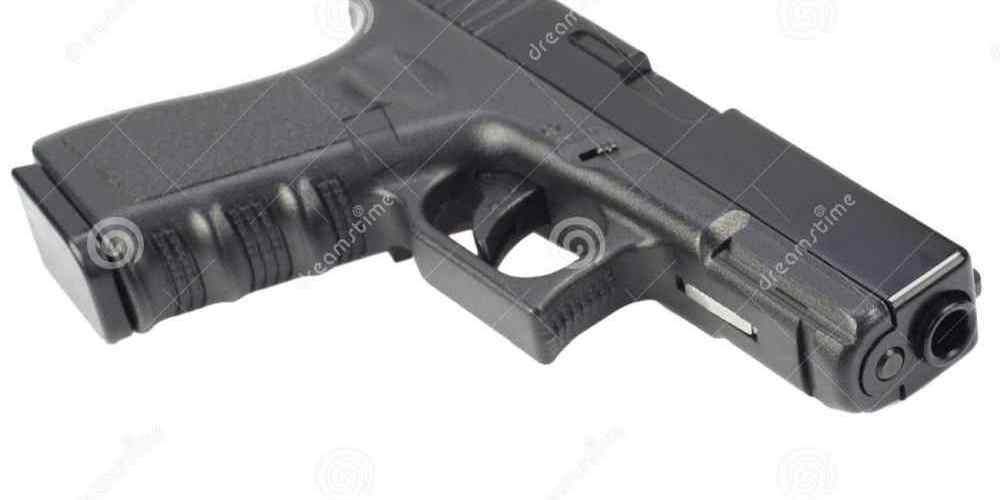
The handgun extractor spring is a small part with an outsized role, and when it weakens, stuck cases are often the first sign that reliability is slipping. Replacing it with a quality, model-correct upgrade can restore positive extraction, smooth out ejection, and help keep a trusted pistol running the way it should. For anyone who values dependable performance, that is a worthwhile investment in both confidence and safety.
At the same time, spring upgrades should always be approached with care, patience, and respect for the firearm’s design. Confirm compatibility, follow safe handling procedures, and test the gun thoroughly after any parts change. Responsible ownership means not only knowing how to shoot, but also knowing how to maintain the handgun so it performs safely and consistently when needed most.