Why Gun Cleaning is Critical for Accuracy
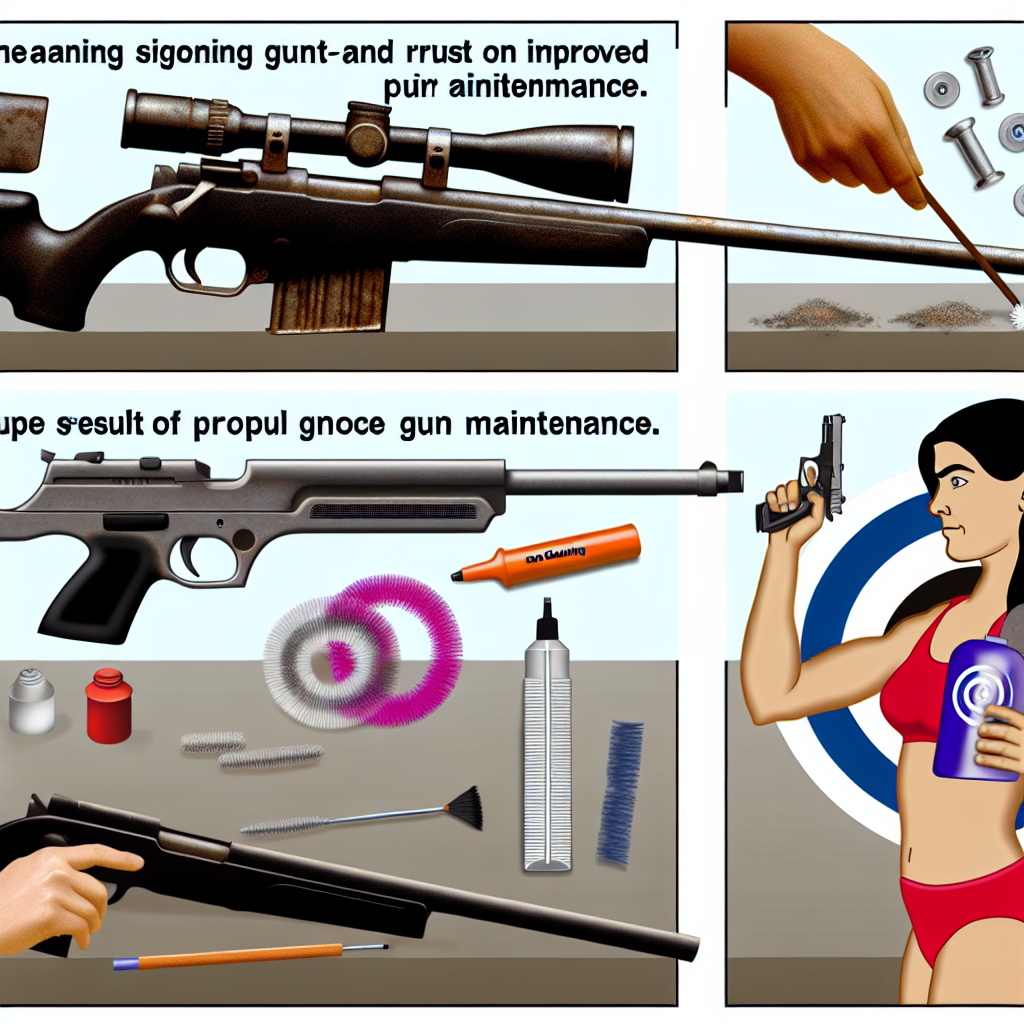
Whether you are a professional marksman, a recreational shooter, or a responsible gun owner, maintaining your firearm’s accuracy is paramount. One of the most essential yet often overlooked aspects of firearm maintenance is regular and thorough cleaning. Gun cleaning goes beyond mere aesthetics; it directly impacts the reliability, longevity, and precision of your weapon.
This article explores why gun cleaning is critical for accuracy by delving into the science behind firearm operation, the effects of fouling and residue buildup, and how proper maintenance can enhance shooting performance. Through expert insights, case studies, and practical tips, readers will gain a comprehensive understanding of why neglecting this fundamental task can compromise their shooting experience.
The Science Behind Firearm Accuracy
Before understanding why cleaning affects accuracy, it’s important to grasp how firearms work and what factors influence precision. Accuracy in shooting depends on the ability of a firearm to consistently place bullets close to the intended target point.
Several mechanical and environmental factors influence accuracy:
- Bore Condition: The interior surface of the barrel (the bore) must be smooth and free from obstructions. Imperfections or debris can alter bullet trajectory.
- Barrel Rifling: Rifling consists of spiral grooves inside the barrel that impart a spin to the bullet, stabilizing it during flight. Any fouling can disrupt this spin.
- Chamber Integrity: Proper seating of cartridges depends on clean chambers that ensure consistent bullet placement and ignition.
- Trigger Mechanism: Smooth trigger action affects shot consistency but is also sensitive to grime and dirt buildup.
When these components are compromised by fouling—residue left behind from firing—the resulting inconsistencies translate directly into reduced accuracy.
The Impact of Fouling on Firearm Performance
Fouling refers to the accumulation of residue inside various parts of a firearm due to firing ammunition. This residue includes powder particles, burnt powder, metal shavings, lead deposits, carbon buildup from primer ignition, and copper fouling from bullet jackets. The extent and type of fouling depend on the ammunition used and firing conditions.
The impact of fouling on accuracy can be significant:
- Bore Obstruction: Powder and carbon residues narrow the bore diameter unevenly. This irregularity causes bullets to deviate from their intended path.
- Copper Fouling: Copper deposits alter rifling dimensions subtly but enough to affect bullet spin rate, causing inconsistent trajectories.
- Chamber Residue: Residue in the chamber can prevent proper cartridge seating or lead to misfires, both detrimental to shot consistency.
- Ammunition Pressure Variability: Fouled barrels create additional friction affecting internal ballistics — pressure inside the barrel fluctuates shot-to-shot when residue varies.
A study published in the Journal of Forensic Sciences found that even minimal copper fouling could increase group size (a measure of accuracy) by up to 50%. Another research report by the National Rifle Association (NRA) indicated that shooters observed measurable drops in precision after firing as few as 50 rounds without cleaning their rifles.
Real-World Case Studies Demonstrating Cleaning Effects
The theoretical impact of fouling is supported by real-world evidence from professional shooters and military personnel who prioritize firearm maintenance.
The U.S. Military Experience
The U.S. Army’s Armament Research, Development and Engineering Center conducted extensive tests on M16 rifles during combat simulations. Their findings highlighted that rifles cleaned regularly maintained sub-MOA (minute of angle) accuracy—a standard considered excellent for combat weapons—while those neglected for cleaning showed up to double group sizes due to fouling-related issues.
Competitive Shooting Insights
In competitive shooting sports such as Precision Rifle Series (PRS) or benchrest shooting, even slight deviations in accuracy can mean losing a match. Top shooters report that their routines always include meticulous gun cleaning after each stage or day at the range. For instance, renowned marksman David Tubb emphasizes that his success partly stems from ensuring his barrels are clean enough to deliver repeatable shots consistently under pressure.
Civilian Hunting Scenario
A hunter using an uncleaned rifle may find their shots drifting several inches off-target at typical hunting ranges (100-300 yards). This not only jeopardizes ethical hunting practices but also endangers safety if shots do not land as expected. Experienced hunters recommend thorough cleaning sessions post-hunt to maintain rifle readiness for future outings.
The Process: How Regular Cleaning Enhances Accuracy
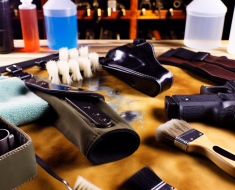
The process of gun cleaning involves several steps designed specifically to remove fouling without damaging delicate components. Here’s how regular cleaning contributes to better shooting performance:
- Restoring Bore Integrity: Using appropriate solvents breaks down carbon and copper residues within rifling grooves ensuring uniform bullet spin.
- Smoothing Barrel Surface: Polishing with brushes or patches removes microscopic imperfections caused by firing stress which could affect bullet path.
- Cleansing Chamber & Action: Ensuring cartridges seat properly reduces misfires and inconsistent muzzle velocity variations tied with improper ignition timing.
- Lubrication Control: Proper lubrication prevents rust while
ensuring smooth operation of moving parts, which is crucial for reliable performance.
In conclusion, maintaining your firearm through regular cleaning is essential for achieving optimal accuracy and reliability in the field.