What You Need to Know About Concealed Carry Reciprocity
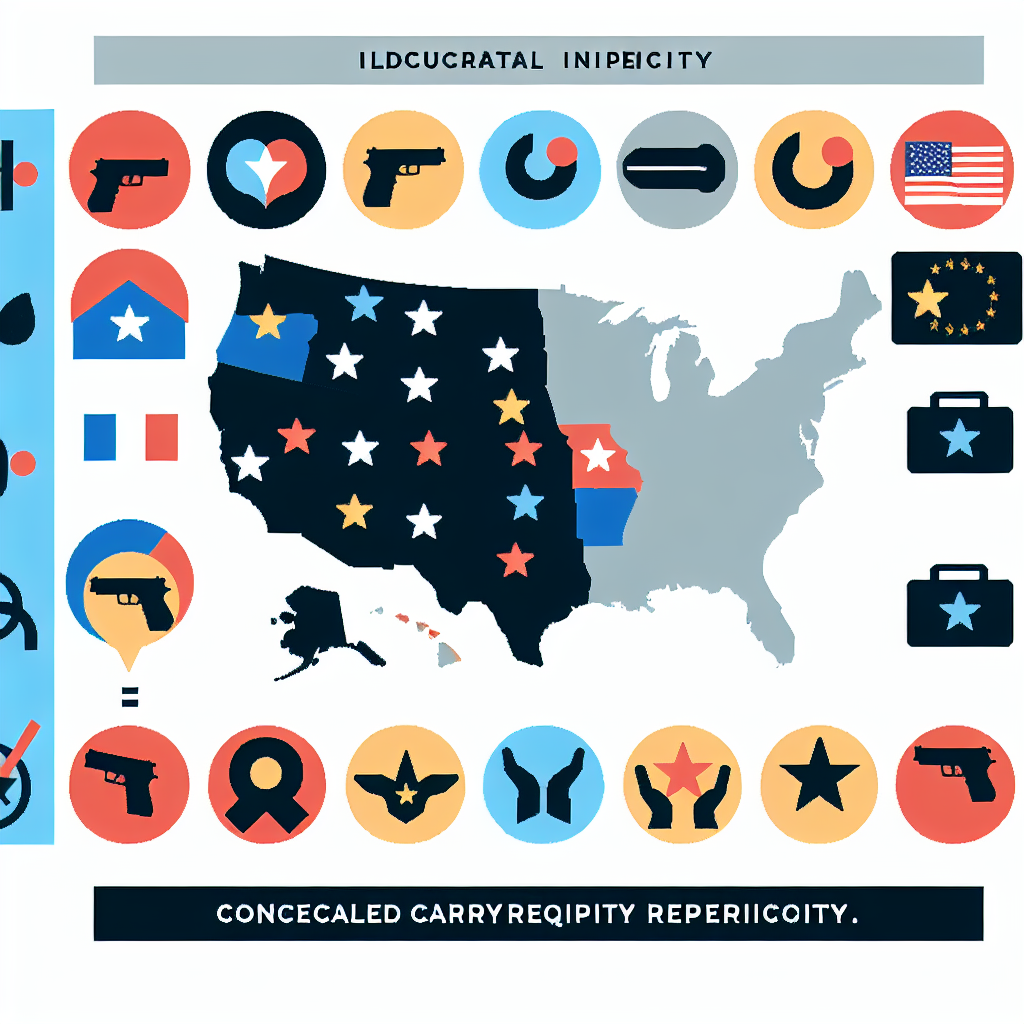
Concealed carry reciprocity is a critical topic for gun owners who travel across state lines in the United States. As laws governing the carrying of concealed firearms vary widely from state to state, understanding how reciprocity works can help avoid legal pitfalls and ensure responsible firearm possession. This article explores the nuances of concealed carry reciprocity, its legal framework, practical implications, and essential considerations for permit holders.
Understanding Concealed Carry Reciprocity: The Basics
Concealed carry reciprocity refers to the recognition by one state of another state’s concealed carry permits. In simpler terms, if you have a valid concealed carry permit issued by State A, reciprocity means that State B will honor that permit and allow you to legally carry your firearm concealed within its borders.
However, reciprocity is not universal or automatic. Each state independently determines whether it will recognize out-of-state permits and under what conditions. This patchwork system creates a complex legal landscape for gun owners who travel.
- Permit Recognition: Some states recognize all valid out-of-state permits.
- Partial Reciprocity: Certain states only recognize permits from select states based on their own criteria.
- No Reciprocity: A few states do not recognize any out-of-state permits at all.
The variations stem from differences in state laws regarding training requirements, background checks, age limits, and other qualifications needed to obtain a concealed carry permit.
The Legal Landscape: Federal vs. State Authority
The issue of concealed carry reciprocity lies primarily within state jurisdiction rather than federal law. The U.S. Constitution’s Second Amendment protects the right to bear arms, but how states regulate carrying firearms varies widely.
Several attempts have been made at the federal level to standardize reciprocity rules:
- Concealed Carry Reciprocity Act: Proposed legislation aimed at requiring states to recognize valid concealed carry permits from other states. However, this bill has faced significant opposition and has not been enacted into law as of 2024.
- Federal Firearms License (FFL) regulations: While these regulate firearm sales and transfers nationally, they do not dictate carry rights or permit recognition.
This means that until federal law changes significantly, gun owners must rely on each state’s laws and reciprocity agreements when traveling with a concealed firearm.
How Reciprocity Agreements Are Determined
States establish their own criteria for recognizing out-of-state permits. These criteria often include factors such as:
- Training Requirements: States may only recognize permits from states with equal or more stringent training standards.
- Background Checks: States may require that the issuing state conducts thorough background checks before issuing a permit.
- Permit Type: Some states distinguish between resident and non-resident permits or between standard and enhanced permits.
- Status of Applicant: Age restrictions or criminal history can affect recognition.
An example is Texas, which recognizes concealed handgun licenses from all states that require fingerprinting as part of their application process. Conversely, California does not recognize any out-of-state permits except under very limited circumstances.
Case Study: Traveling From Florida to Georgia
A practical example is Florida residents traveling to Georgia. Florida issues relatively accessible concealed carry licenses without a minimum training requirement beyond classroom instruction. Georgia recognizes Florida’s licenses because it views Florida’s standards as sufficient for public safety concerns. Thus, Floridians can legally carry concealed in Georgia under reciprocity laws.
This contrasts with travelers from more restrictive states like New York or California whose permits are generally not recognized in Georgia due to differing standards and policies regarding background checks and training requirements.
The Importance of Knowing State-Specific Rules Beyond Reciprocity
Even when a state recognizes an out-of-state permit, gun owners must be aware that certain restrictions still apply based on local laws. Reciprocity does not grant carte blanche permission to disregard all firearm regulations in the host state.
- Restricted Locations: Many states prohibit carrying firearms in schools, government buildings, bars, private property where firearms are banned, or places where explosives are stored.
- Manner of Carry: Some states require that firearms be carried in specific ways (e.g., fully concealed versus open carry).
- Mental Health and Prohibited Persons Laws: Even with a valid permit, persons prohibited by federal or state law (such as felons or those adjudicated mentally ill) cannot legally carry firearms regardless of reciprocity status.
A lack of awareness about these nuances can lead to inadvertent violations resulting in fines, arrest, or confiscation of firearms. Therefore, permit holders should research the specific laws of every state they intend to visit or pass through with a firearm.
Example: Illinois’ Strict Firearm Laws Despite Reciprocity
Illinois recognizes many out-of-state permits through its Firearm Owner’s Identification (FOID) card system but still enforces strict rules about where firearms can be carried openly or concealed. Chicago and other municipalities impose additional restrictions beyond statewide law that travelers must observe carefully despite having reciprocity rights.
The Role of Technology and Resources in Navigating the complexities of concealed carry reciprocity cannot be overstated. Utilizing apps, websites, and local law enforcement resources can help ensure compliance with varying state laws.
Staying informed and prepared is essential for responsible firearm ownership while traveling.