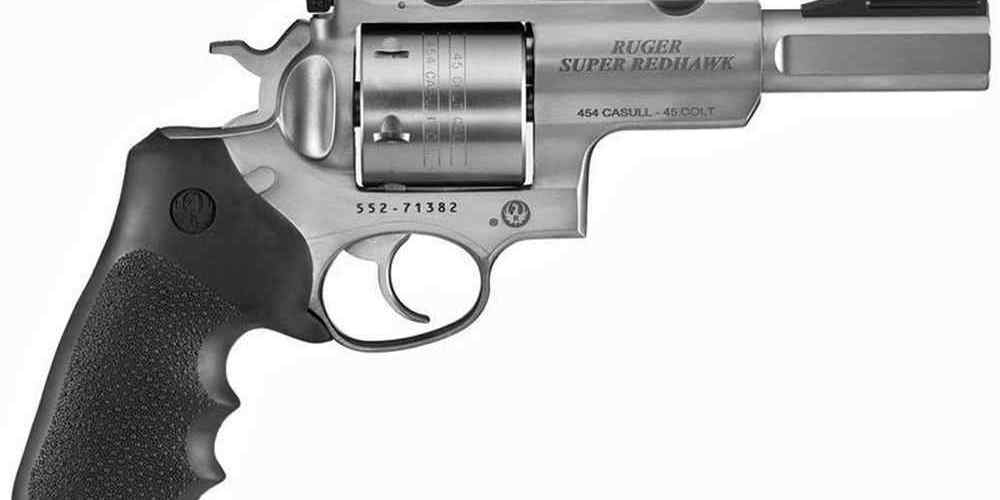
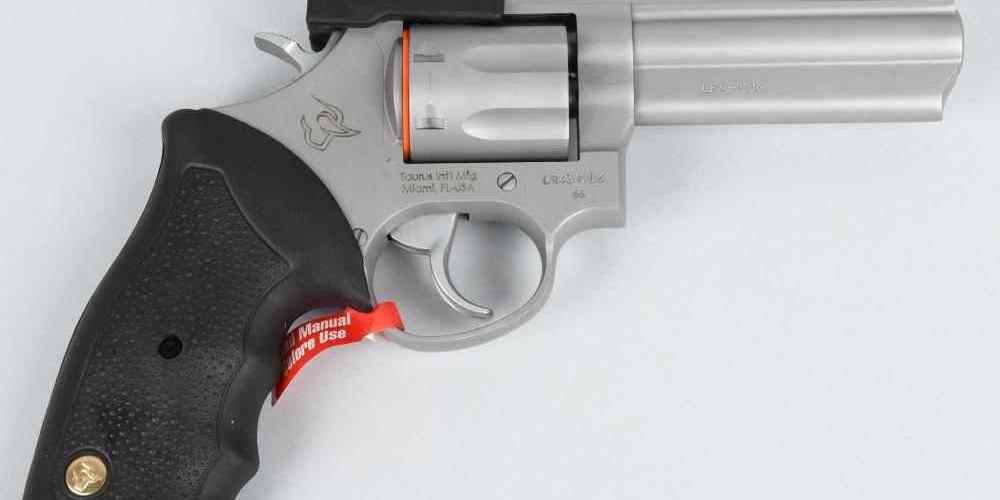
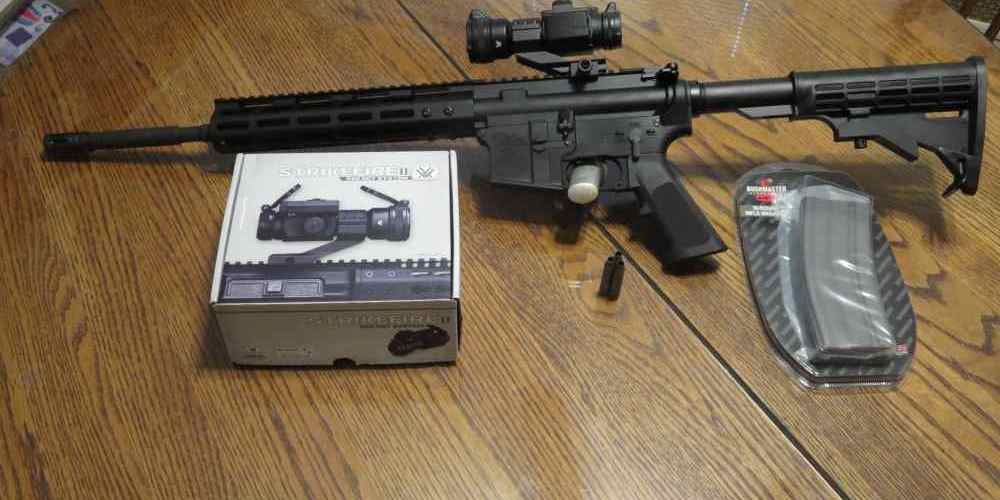
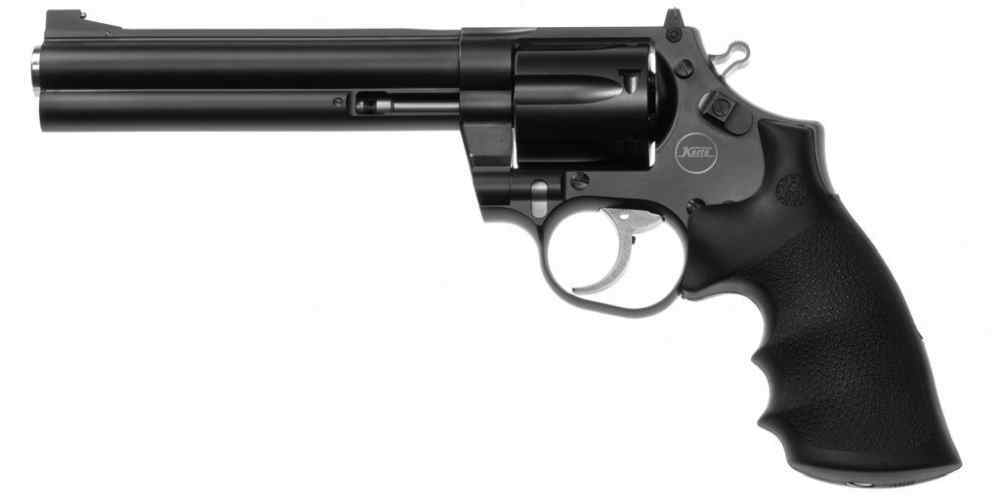
New firearm owners often think storage is simple: buy a lock, put the gun out of sight, and the job is done. In reality, good storage is about balancing safety, accessibility, protection from damage, and legal compliance. The choices you make at home can affect how well your firearm functions, how quickly you can respond in an emergency, and how safely everyone around you is protected.
Why “Secure” Storage Is More Than Locked Away
A locked container is only one part of secure storage. True security means the firearm is protected from unauthorized access, environmental damage, and improper handling while still fitting the way you actually live. A pistol tossed into a cheap lockbox may be “secured” in the narrowest sense, but if the lock is weak, the contents are exposed to moisture, or the owner cannot access it safely when needed, the setup has failed in practice. Secure storage should be thought of as a system, not a single product.
For many owners, the best solution depends on purpose. A hunting rifle stored for seasonal use may do well in a full-size safe with desiccants, an approved lock, and organized internal storage. A home-defense handgun may require a fast-access safe with biometric, keypad, or mechanical locking features, depending on reliability needs and household circumstances. Historically, firearm storage has evolved from simple cabinets and wall racks to modern safes and compact lockboxes, largely because owners learned that theft prevention, corrosion control, and family safety all matter at once.
Responsible storage also means thinking beyond the firearm itself. Ammunition should be stored separately when appropriate, protected from heat and moisture, and kept in a way that complies with local law and household rules. Keys, codes, and combinations should never be treated casually. If children, guests, or inexperienced adults are in the home, the storage plan should assume curiosity, not perfect restraint. The safest setup is the one that reduces risk even when life gets busy, visitors arrive, or routines change.
Common Storage Mistakes New Owners Often Miss
One of the most common mistakes is assuming “out of reach” equals “safe.” New owners often hide a firearm in a drawer, closet, or vehicle compartment and consider it secured because it is not visible. That approach is fragile. A determined child, thief, or untrained adult may still find it, and ordinary home activity can displace the gun or expose it to damage. Proper storage means using a container or safe designed for firearms, with a lock standard that matches the level of risk you’re trying to prevent.
Another frequent oversight is neglecting the firearm’s condition before storage. A gun put away with fouling, fingerprints, or moisture can develop corrosion, feeding issues, and long-term wear. After a range session or field use, owners should inspect the firearm, clear it safely, clean and lubricate it according to the manufacturer’s recommendations, and then store it in a controlled environment. Soft cases and foam inserts can trap moisture if used long-term, so they are not always ideal for extended storage without additional humidity control. A good safe, dehumidifier rod, or desiccant package can make a major difference.
New owners also underestimate how storage interacts with access and accountability. A firearm that is locked so securely it cannot be retrieved quickly in a lawful emergency may not suit a defensive role, while a firearm stored for hunting or collection may benefit from maximum isolation. Many people also forget to keep an accurate record of serial numbers, purchase documents, and access methods in a separate, secure location. Finally, state and local laws may impose specific storage requirements, especially when minors are present. Responsible ownership means knowing those rules, setting household standards, and choosing storage that protects both the gun and the people around it.
Good firearm storage is not about hiding a gun and calling it responsible. It is about building a practical, reliable system that protects against unauthorized access, environmental damage, and avoidable mistakes. New owners who take the time to think carefully about security, cleanliness, accessibility, and legal obligations usually end up with safer homes and better-performing firearms.
If there is one lesson to carry forward, it is this: the best storage solution is the one you will actually use consistently. Choose equipment that fits your needs, maintain it properly, and revisit your setup as your household, collection, or use case changes. Responsible gun ownership begins long before the trigger is ever pressed, and storage is where that responsibility starts showing.