Understanding Waiting Periods for Firearm Purchases
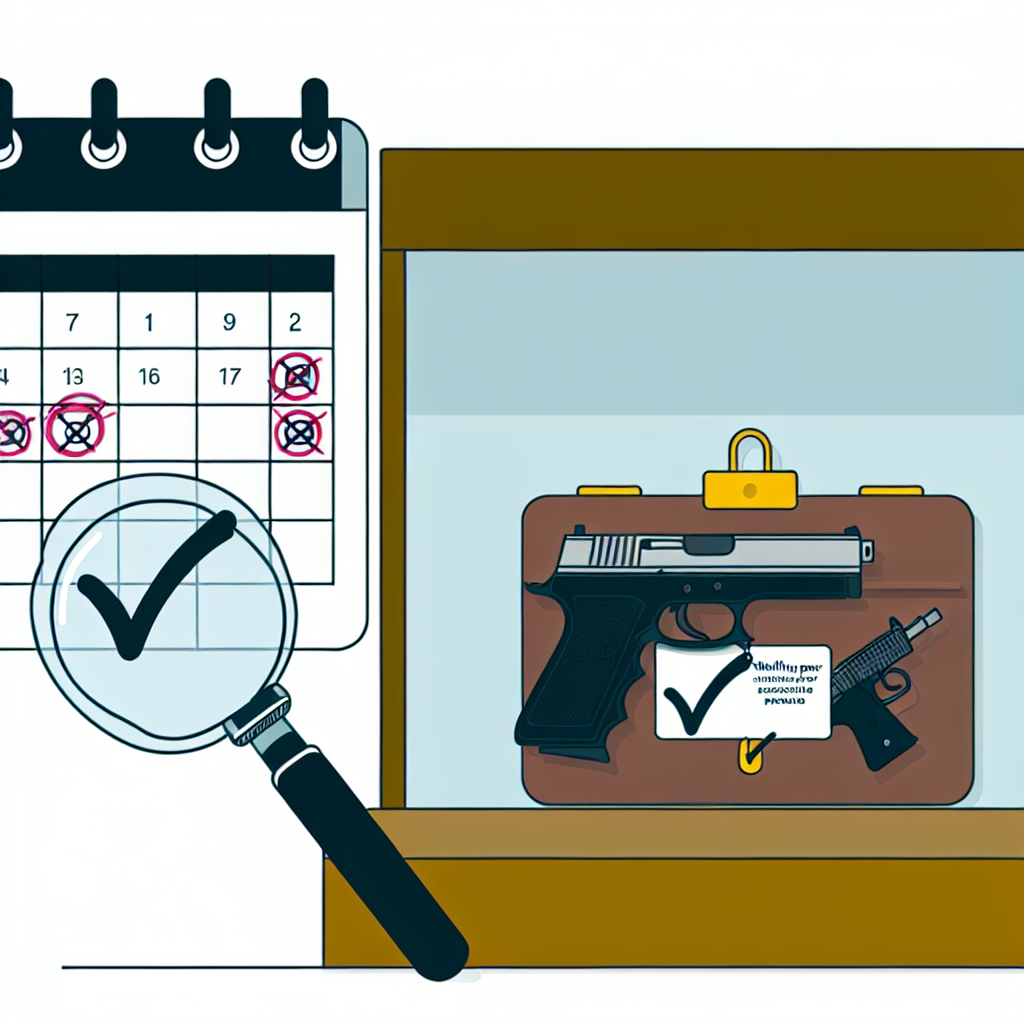
The debate surrounding firearm regulations in the United States is both complex and deeply nuanced. One significant aspect of this debate is the implementation of waiting periods for firearm purchases. These waiting periods, designed to introduce a mandatory delay between the purchase and actual possession of a firearm, are intended to reduce impulsive acts of violence and promote public safety. Understanding these waiting periods—their purpose, variations, impacts, and controversies—is essential for anyone interested in gun policy or public safety.
What Are Waiting Periods for Firearm Purchases?
A waiting period for firearm purchases is a legally mandated time interval between when a buyer initiates a purchase of a gun and when they can actually take possession of it. The length of these waiting periods varies by state but typically ranges from 24 hours to 10 days.
The primary goal of waiting periods is to serve as a “cooling-off” period. This buffer aims to prevent impulsive acts such as suicides or violent crimes that might occur if firearms were immediately accessible after purchase. The concept is based on research indicating that many acts of violence or self-harm are impulsive rather than premeditated.
For example, California enforces a 10-day waiting period on all firearm purchases, while states like Florida have no mandatory waiting period at the state level (though local jurisdictions may have their own laws). This variation leads to significantly different experiences for buyers depending on where they live.
The Rationale Behind Waiting Periods
Waiting periods are rooted in several key public safety objectives. These include:
- Reducing Impulsive Violence: Many crimes involving firearms are committed spontaneously. By delaying access, waiting periods aim to lower the risk that an individual will use a firearm in a moment of anger or crisis.
- Preventing Suicide: Suicide by firearm often occurs during brief crises. According to the Centers for Disease Control and Prevention (CDC), nearly half of all suicides involve firearms. Studies suggest that delaying access to guns can reduce suicide rates because many suicidal impulses are temporary.
- Allowing Time for Background Checks: Waiting periods provide law enforcement agencies with additional time to conduct thorough background checks, ensuring individuals prohibited from owning firearms (such as felons or those with restraining orders) do not obtain them.
- Discouraging Straw Purchases: A straw purchase occurs when someone buys a gun legally and then sells or gives it to someone prohibited from owning one. Waiting periods can deter this practice by introducing logistical challenges.
The effectiveness of these goals has been studied extensively by researchers, offering valuable insights into how these policies impact public health and safety.
Case Studies and Statistical Evidence
Various studies highlight the influence waiting periods have on gun-related violence and deaths. Here are some notable examples:
- California’s 10-Day Waiting Period: Research published in the American Journal of Public Health found that California’s mandatory 10-day waiting period was associated with an 11% reduction in firearm suicide rates compared to states without such laws. The study analyzed data over multiple decades and attributed much of this decline to delayed access during suicidal crises.
- Kansas Study on Homicide Rates: A 2017 study examined states with and without waiting periods and found that those without any mandatory delay had higher rates of firearm homicide than states with at least a short wait time. This correlation suggests that even brief delays can disrupt impulsive acts of violence.
- Impact on Domestic Violence Incidents: Some research indicates that waiting periods may reduce intimate partner homicides involving firearms. A study published in the Journal of Epidemiology & Community Health found that states with longer delays experienced fewer domestic violence deaths related to guns.
Despite positive findings, critics argue that some data is inconclusive or impacted by confounding factors such as broader gun control measures or socioeconomic variables. Nonetheless, there is growing consensus among public health experts about the benefits of implementing reasonable waiting periods as part of comprehensive gun safety strategies.
Variations in Waiting Period Laws Across States
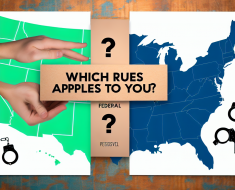
The United States does not have a federal mandate for firearm purchase waiting periods; instead, states set their own rules, leading to significant variation nationwide. Some states have no waiting period at all, while others enforce lengthy delays.
- No Waiting Period States: States like Alaska, Arizona, and Texas generally allow immediate possession upon purchase following background checks.
- Short Waiting Periods (1-3 days): States such as Illinois require a short delay—often tied directly to the time needed for background checks.
- Longer Waiting Periods (7-10 days): California’s strict 10-day rule stands out alongside Hawaii’s mandatory five-day delay.
- Conditional Waiting Periods: Some states impose delays only under specific circumstances—for instance, if the background check cannot be completed immediately or if the purchaser is acquiring certain types of firearms like handguns rather than long guns.
This patchwork system means individuals purchasing firearms near state borders may face very different regulations depending on jurisdiction—a reality that complicates enforcement and sometimes leads to unintended consequences like cross-border gun trafficking.
The controversies surrounding waiting periods often center on their effectiveness in reducing gun violence versus the rights of individuals to purchase firearms without delay.
Understanding these regulations is crucial for responsible gun ownership and navigating the complexities of firearm laws across different states.