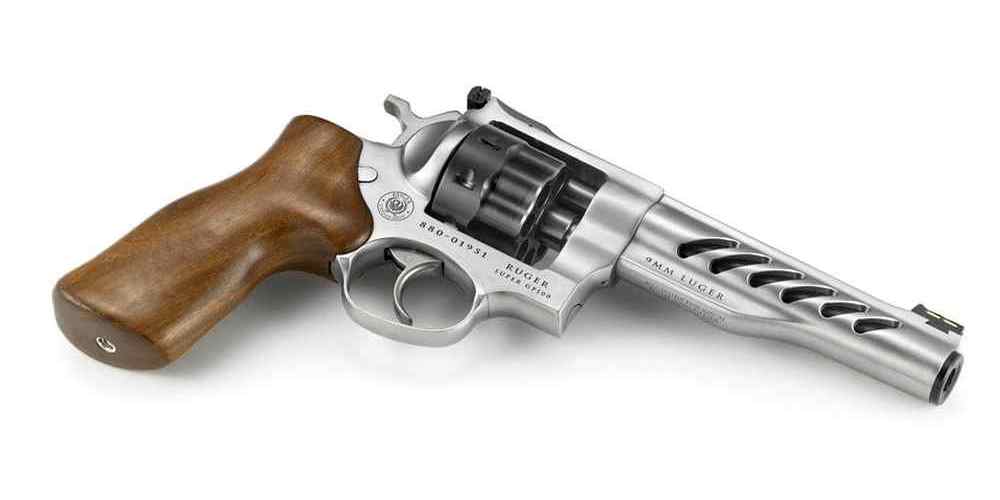
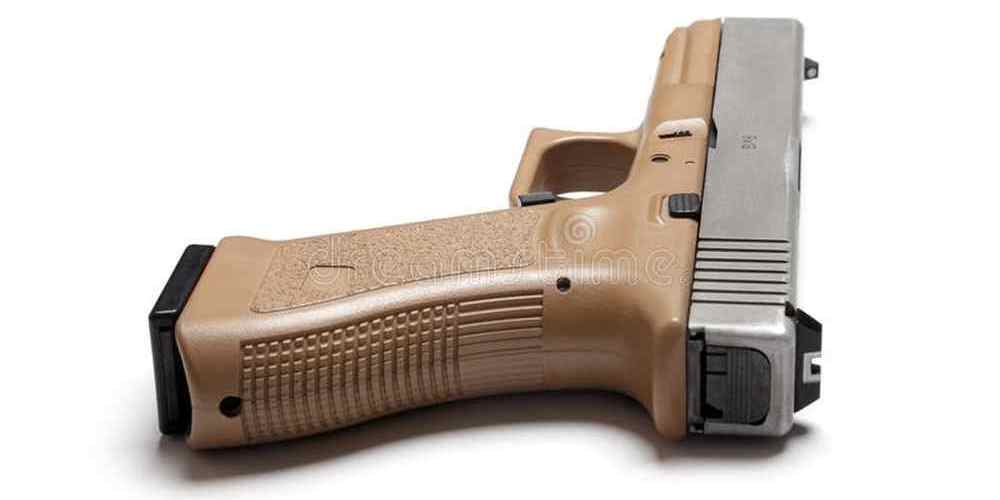
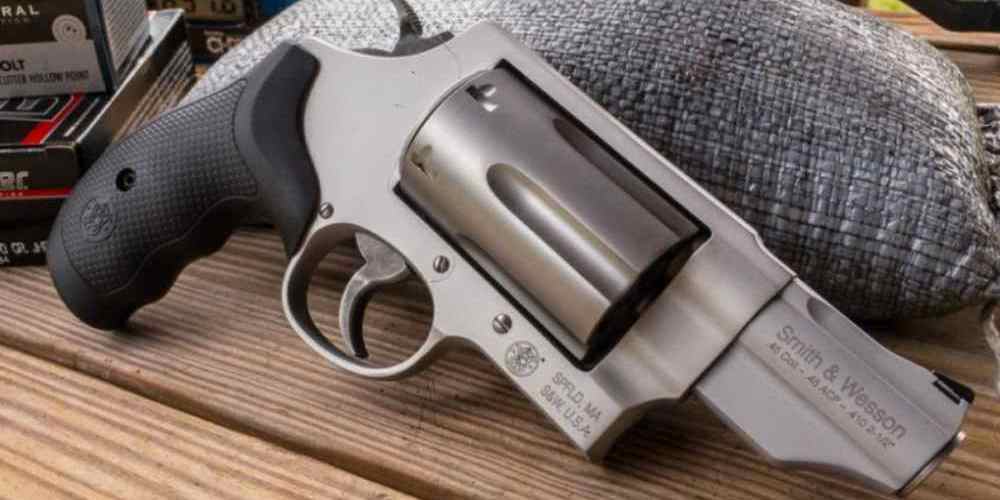
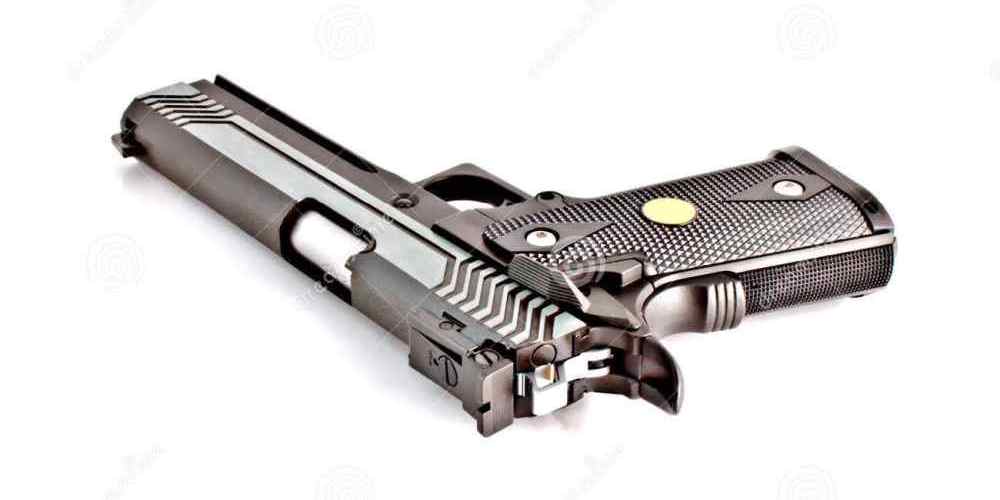
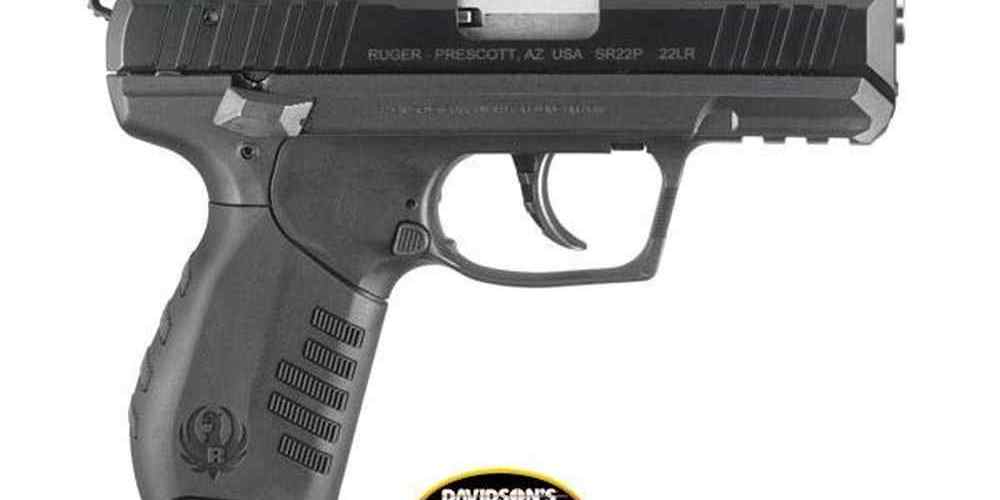
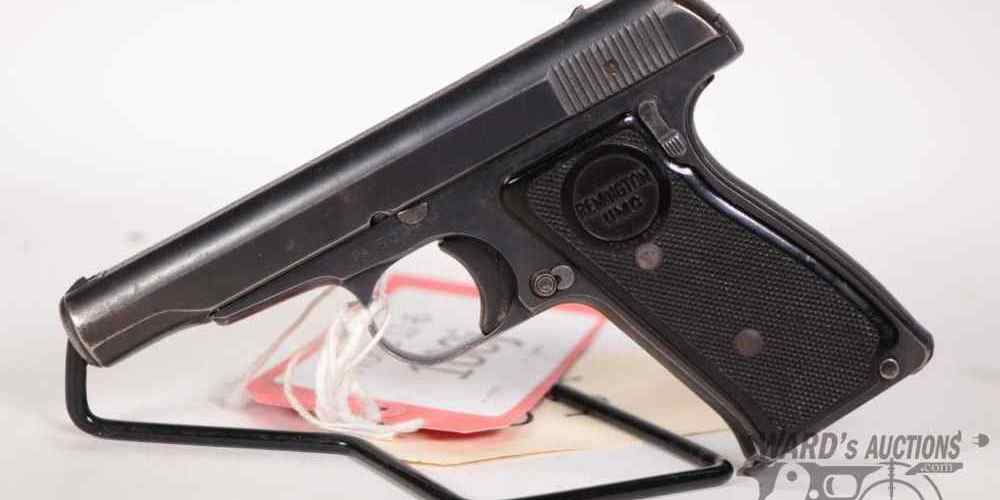
One of the quickest ways to improve handgun control is to pay attention to grip angle. That small change in how the pistol meets your hand can have a surprisingly large effect on muzzle rise, sight recovery, and how naturally the gun points. For many shooters, the improvement feels immediate because the wrist, forearm, and hand are no longer fighting the shape of the frame.
Grip angle has long been part of the debate around handgun design, from traditional service pistols to modern striker-fired handguns with more neutral ergonomics. While no single angle is perfect for every shooter, the right one can make the pistol feel like an extension of the arm rather than a tool you are forcing into alignment. That matters in both defensive shooting and practical range work, where consistency and control are essential.
As with any firearm skill, the goal is not speed for its own sake but safe, repeatable performance. A better grip angle can help you build a more stable platform, but it should always be paired with proper training, disciplined trigger control, and a firm understanding of safe handling rules. When used responsibly, this simple adjustment can be one of the most effective upgrades in handgun shooting.
Why Grip Angle Changes Control So Quickly
Grip angle affects how your wrist naturally aligns with the bore when you present the handgun. If the angle matches your anatomy, the sights tend to settle more naturally, and the gun may feel easier to drive back on target after recoil. When the angle is less compatible, your wrist may need extra tension to compensate, which can reduce consistency and increase fatigue over a practice session.
This is why some shooters notice an “instant” improvement when switching to a pistol that better fits their hand and stance. A more natural grip angle can reduce the amount of conscious correction needed during the draw, presentation, and follow-up shots. Historically, this has been one reason certain designs have earned loyal followings: the frame geometry simply works well for a broad range of users.
It is also worth noting that control is not determined by grip angle alone. Frame texture, grip circumference, trigger reach, and the shooter’s hand size all play major roles. Still, the angle often shapes the first impression and can dramatically influence how quickly the shooter regains the sights after recoil. For many responsible gun owners, that change is noticeable from the very first magazine.
Adjust Your Wrist, Tighten Your Handgun Control
To get the most from a different grip angle, start with your wrist position. A neutral, locked but not strained wrist helps the handgun return predictably after each shot. If the pistol feels like it points too high or too low, small adjustments in wrist cant and elbow position can make the grip angle work with your body instead of against it.
Hand pressure matters too. A high, firm grip with consistent support-hand pressure can stabilize the gun and make the benefits of the angle more obvious. Many instructors teach a strong two-handed grip that manages recoil without over-gripping, because excessive tension can cause tremors and disrupt trigger control. Practice slowly at first, focusing on a clean presentation and a steady sight picture before increasing speed.
If you are evaluating handguns, try several models with different grip angles at a range or through a reputable rental program, if available. What feels natural in a store may change once recoil, slide movement, and live fire are involved. Be sure to follow all range rules, use proper eye and ear protection, and verify safe handling before adjusting your stance or grip. The best grip angle is the one that helps you shoot accurately, safely, and repeatably with minimal strain.
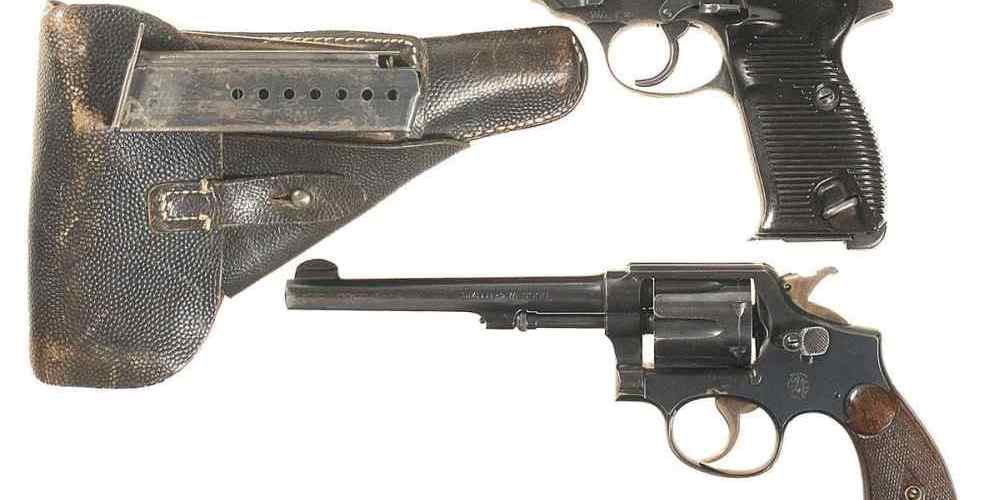
A grip angle change may seem like a minor detail, but for many shooters it delivers an immediate improvement in handgun control. By aligning the wrist and hand more naturally, the pistol can become easier to point, easier to recover, and more comfortable to shoot over time. That advantage can matter whether you are practicing fundamentals, preparing for self-defense, or building confidence with a new firearm.
The key is to treat grip angle as part of a complete system that includes safe handling, proper training, and regular practice. A handgun that fits your hand well will not replace skill, but it can make skill easier to develop and maintain. When chosen carefully and used responsibly, the right grip angle can be one of the simplest ways to improve performance without sacrificing safety or control.