The History of the Smith & Wesson Model 29
The Smith & Wesson Model 29 is one of the most iconic revolvers in the history of firearms. Known for its powerful .44 Magnum cartridge and its cultural significance, especially in the latter half of the 20th century, the Model 29 has been both a symbol of raw power and precision craftsmanship. This article explores the fascinating history of this legendary handgun, tracing its origins, design evolution, cultural impact, and lasting legacy.
Origins and Development: Birth of a Magnum Legend
The story of the Smith & Wesson Model 29 begins in the early 1950s when firearms manufacturers were exploring more powerful cartridges for handguns. The .44 Magnum cartridge was developed by Elmer Keith, a renowned firearms enthusiast and writer who sought a round that combined stopping power with manageable recoil.
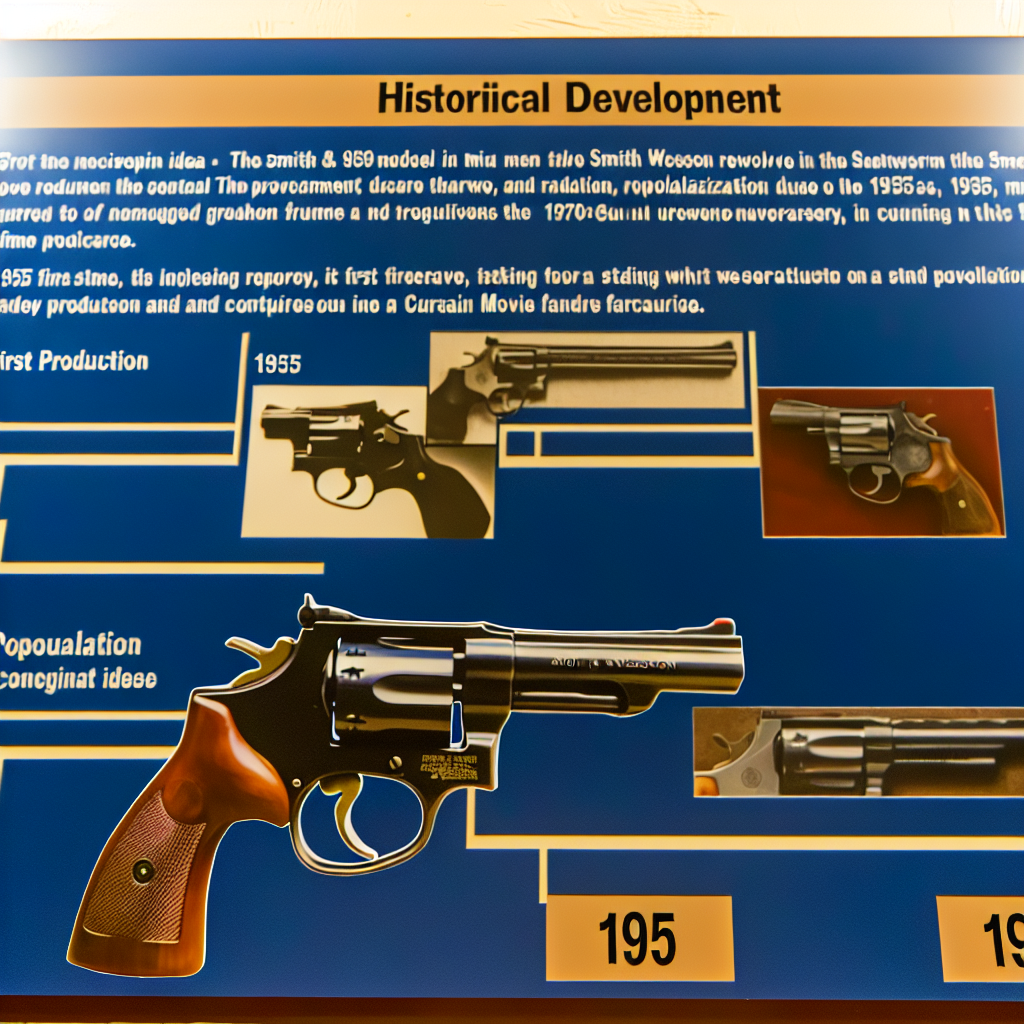
Smith & Wesson took notice and collaborated with Winchester to develop the .44 Magnum cartridge. In 1955, Smith & Wesson introduced the Model 29 to chamber this new round, creating what would become one of the most powerful production revolvers available at that time.
- Caliber: .44 Remington Magnum
- Action: Double-action revolver
- Frame: N-Frame (large frame)
- Barrel lengths: Initially available in 6.5-inch barrel; later offered in various lengths including 4″, 5″, and 8 3/8″
The heavy-duty N-frame was specifically designed to handle the high pressures generated by the .44 Magnum cartridge. This revolver was built with robust materials and engineering precision to withstand repeated firing without compromising accuracy or safety.
Design Features: Engineering Power and Precision
The Model 29’s design was revolutionary for its time due to several key features that made it both powerful and user-friendly. The large frame accommodated a longer cylinder to house the potent .44 Magnum cartridges, while maintaining balance and ergonomics for shooters.
- Barrel Design: The barrels were rifled with six grooves at a twist rate optimized for bullet stability at high velocities.
- Sights: Adjustable rear sights paired with a ramp front sight enhanced accuracy for both target shooting and hunting.
- Finish Options: Early models featured blued steel finishes; later variants introduced stainless steel versions for corrosion resistance.
- Trigger Mechanism: The double-action trigger allowed for rapid firing while maintaining precision when used in single-action mode.
The versatility of barrel lengths allowed shooters to select models based on their intended use — shorter barrels for concealability and quicker draw times, longer barrels for improved accuracy in hunting or target shooting scenarios.
Cultural Impact: From Hollywood to Popular Culture
No discussion about the Smith & Wesson Model 29 would be complete without acknowledging its immense influence on popular culture. The revolver’s fame skyrocketed after being featured prominently in Clint Eastwood’s “Dirty Harry” film series, beginning with the original movie released in 1971.
In “Dirty Harry,” Eastwood’s character famously brandishes a large revolver referred to as “the most powerful handgun in the world.” This portrayal captivated audiences worldwide and significantly boosted sales of the Model 29. The gun became synonymous with rugged masculinity, justice, and raw stopping power.
- Box Office Influence: Following “Dirty Harry,” Smith & Wesson reported a surge in demand for the Model 29, with sales increasing by more than 60% within months.
- Cultural References: The revolver appeared in numerous films, television shows, novels, and video games over subsequent decades — often symbolizing authority or lethal precision.
- Lore and Mythology: The phrase “the most powerful handgun” became part of firearm folklore despite later developments producing even more potent handguns.
This cultural spotlight helped establish not just a commercial success but also an enduring legacy that continues to influence firearm enthusiasts around the world today.
Evolutions and Variants: Adaptation Through Decades
The original Model 29 design has undergone several changes since its introduction in response to market demands, technological advancements, and manufacturing improvements. These variants reflect Smith & Wesson’s commitment to maintaining relevance while honoring tradition.
- Model 29-2 (1960s): Introduced refinements such as improved locking mechanisms and internal components for smoother operation.
- Model 629 (1979): A stainless steel variant offering enhanced corrosion resistance popular among hunters who used their revolvers outdoors extensively.
- Performance Center Models (2000s): Custom-tuned versions featuring enhanced triggers, ported barrels, and specialized grips aimed at competitive shooters and collectors.
The availability of various barrel lengths expanded options from compact four-inch versions suitable for field carry to long-barreled hunting models exceeding eight inches for maximum ballistic performance. Additionally, custom engraving options became popular among collectors seeking unique aesthetics paired with superior craftsmanship.
The Smith & Wesson Model 29 Today: Legacy and Modern Usage
Todays
The Smith & Wesson Model 29 today continues to be a symbol of excellence in the firearms community, appealing to both enthusiasts and new shooters alike.
Its blend of historical significance and modern advancements ensures its place in the hearts of gun owners for years to come.