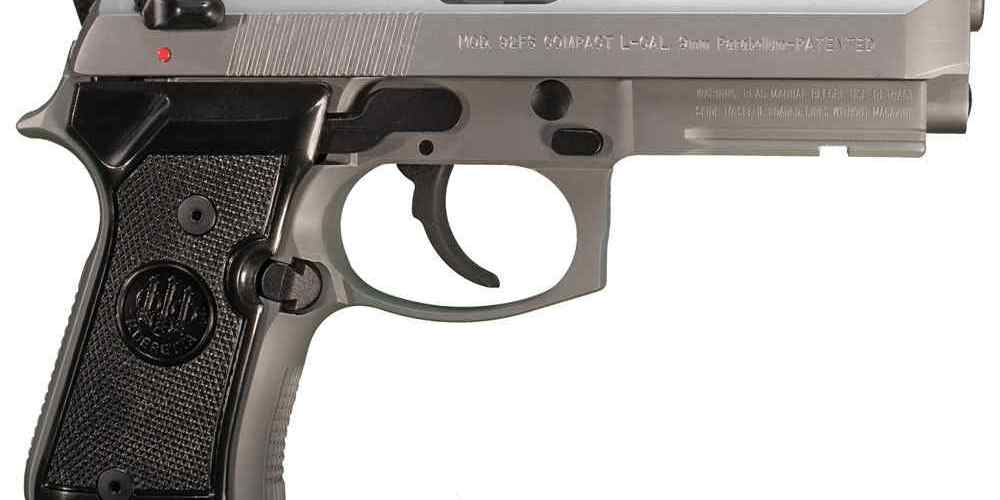
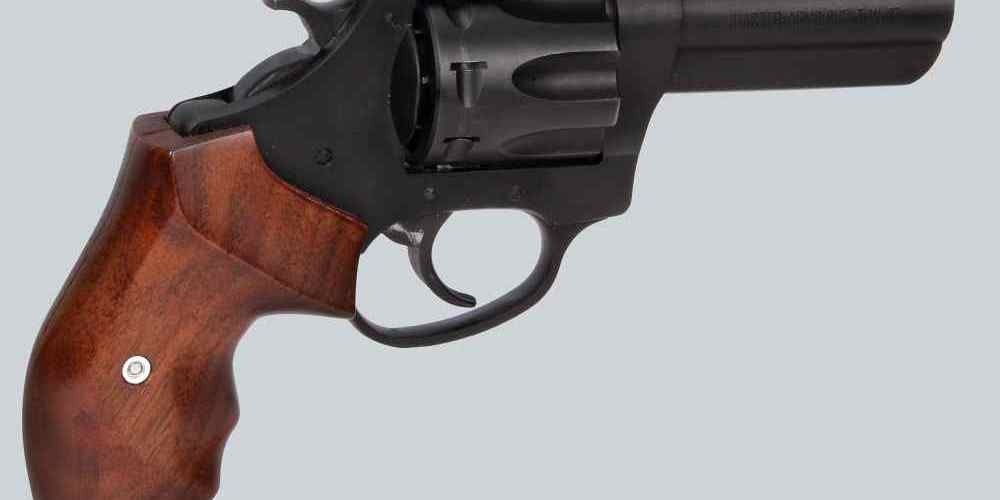
Proper handgun maintenance is part of responsible firearm ownership, and few tasks matter more than cleaning the bore correctly. The rifling inside a barrel is what stabilizes the bullet, and it deserves careful treatment every time you run a rod through the gun. Using the right cleaning rod technique helps remove fouling without rounding off lands, damaging the crown, or introducing unnecessary wear. For gun owners who value accuracy, reliability, and long service life, learning how to protect rifling is just as important as choosing the right ammunition.
Choosing the Right Rod to Protect Rifling
The first step in protecting rifling is selecting a cleaning rod that is appropriate for the handgun’s barrel length and bore size. A rod that is too short can be awkward to control, increasing the chance of rubbing the muzzle or scraping the chamber edge. A quality one-piece rod is generally preferred over a segmented or jointed design, because it stays straighter and reduces the risk of flexing inside the bore. Materials matter too: coated steel, carbon fiber, and high-quality polymer-coated rods are common choices because they are strong enough for cleaning while being less likely to scratch the bore when used properly.
Another important detail is the rod’s guide system. A bore guide or muzzle guard helps center the rod so it enters the barrel aligned with the bore axis instead of dragging against the rifling at an angle. In handguns, where the barrel is shorter and tolerances are tighter, that alignment makes a real difference. The goal is to keep the cleaning rod from contacting the lands and grooves directly, especially near the chamber and crown, where damage can affect accuracy more quickly than wear farther down the barrel.
Jags, brushes, and patches should also match the caliber correctly. Oversized accessories can force resistance through the bore, while undersized ones may wobble and fail to clean effectively. For many handgun owners, a properly fitted jag and a patch cut or selected to snugly traverse the bore provide better control than forcing a loose setup. If you are shopping for cleaning gear, look for tools designed specifically for handguns and verify that the manufacturer lists them as caliber-correct and barrel-safe. Small differences in fit and finish often separate a good cleaning routine from one that slowly wears a barrel over time.
Cleaning Techniques That Prevent Barrel Wear
A rifling-safe cleaning technique starts with gentleness and consistency. Push patches and brushes through the bore in a smooth, straight motion rather than short, aggressive scrubbing strokes inside the barrel. Let the brush or patch exit fully before reversing direction, because repeated direction changes while the tool is still in the bore can cause the rod to rub the lands and crown. Many experienced shooters also clean from the chamber end when the firearm design allows it, since that approach reduces the chance of damaging the muzzle crown, which is critical for preserving accuracy.
Solvents should be used with restraint and purpose. A quality bore solvent helps break down powder residue, copper fouling, and lead deposits, but soaking the barrel excessively is unnecessary and can leave behind residue that attracts more fouling later. Apply solvent to the patch or brush, not directly and heavily into the bore, and follow the product instructions carefully. After the fouling loosens, use dry patches until they come out mostly clean, then finish with a lightly oiled patch if the firearm is going into storage. Too much oil can migrate into the action or collect debris, so a thin protective film is usually sufficient.
Perhaps the most overlooked wear-prevention habit is inspecting the rod itself. Any bent section, rough edge, or dirty patch loop can act like sandpaper on the rifling. Wipe down the rod between passes, keep accessories clean, and replace worn brushes or damaged jags before they become a problem. It is also wise to avoid using excessive force when a patch tightens up; resistance usually means the patch is too large, the bore is heavily fouled, or the cleaning tool is misaligned. Responsible maintenance is less about speed and more about control, patience, and attention to detail—qualities that keep a handgun reliable and the barrel in top condition for years of lawful use.
The handgun cleaning rod technique that protects rifling is ultimately about respecting the barrel as a precision component, not just another part to scrub aggressively. With the right rod, proper alignment, correctly sized accessories, and a calm, methodical cleaning routine, you can preserve accuracy while removing the fouling that builds up after shooting. For shooters, hunters, and self-defense practitioners alike, good maintenance is part of safe ownership and long-term performance. Treat the bore carefully, and it will reward you with consistency, reliability, and many more rounds of dependable service.