The Best Holsters for Competitive Shooting Events
Competitive shooting has grown exponentially in popularity over the past few decades, attracting marksmen from all walks of life who seek to test their speed, accuracy, and skill under pressure. Whether participating in USPSA, IPSC, IDPA, or Steel Challenge events, having the right equipment can make a significant difference. One often overlooked but crucial piece of gear is the holster. The right holster not only ensures safety but also improves draw speed and comfort, directly impacting performance.
In this article, we will explore the best holsters for competitive shooting events by analyzing different types of holsters, materials, retention systems, and ergonomics. We will also review some top brands favored by professional shooters and provide insights backed by case studies and statistics to help you make an informed decision.
Understanding the Role of Holsters in Competitive Shooting
Before diving into specific products and features, it’s important to understand why holsters matter so much in competitive shooting.
A holster in a competition setting must balance several factors:
- Speed: A fast draw is essential in timed shooting events.
- Retention: The firearm must be securely held to prevent accidental discharges or drops during rapid movement.
- Comfort: Shooters often wear their gear for hours; discomfort can affect focus and performance.
- Adjustability: A holster should be adaptable to different draw angles and body types.
- Durability: Competition gear faces wear and tear; longevity is key to cost-effectiveness.
According to a survey conducted by Pew Pew Tactical among competitive shooters, over 70% cited holster choice as a critical factor influencing their stage times and overall performance. This underlines the importance of selecting the right holster tailored to your specific event and style.
Types of Holsters for Competitive Shooting
The market offers a wide variety of holster types designed for different preferences and disciplines. The most common include:
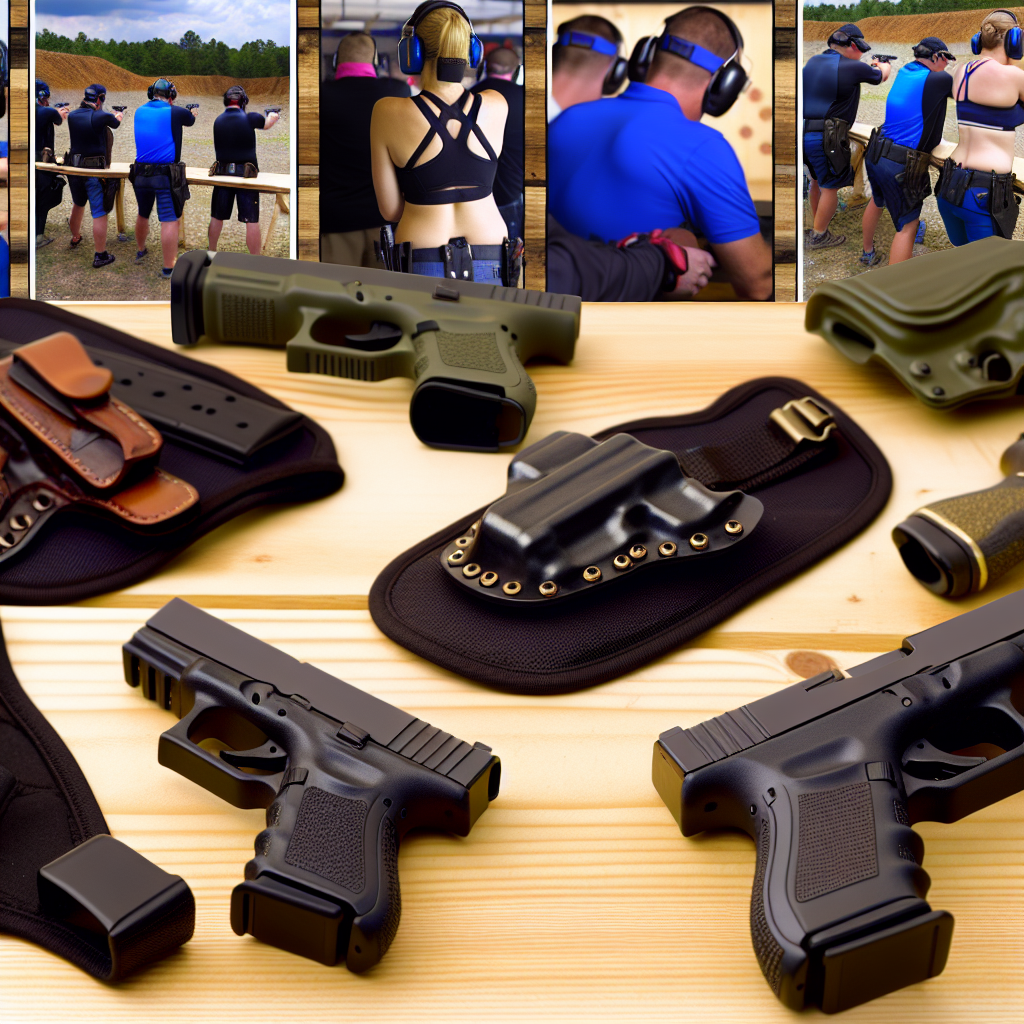
- Kydex Holsters: Made from molded thermoplastic, these are lightweight, durable, and offer consistent retention. They are popular due to their speed-friendly design and minimal break-in time.
- Leather Holsters: Traditional leather holsters provide comfort and aesthetic appeal but often require a break-in period. They may offer less consistent retention compared to Kydex.
- Nylon/Fabric Holsters: These are flexible and affordable but generally less durable. They are more common in training scenarios than high-level competition.
- Hybrid Holsters: Combine leather backing with Kydex shells to balance comfort with secure retention.
For competitive shooting, Kydex holsters dominate due to their ability to maintain shape under stress while providing quick access. Many top-level USPSA competitors prefer custom-molded Kydex options tailored precisely to their firearm model.
Key Features to Look for in Competition Holsters
Selecting a holster isn’t just about picking a brand or type—it’s about identifying features that align with your shooting style and event requirements. Here are essential aspects to consider:
Retention Mechanisms
A good competition holster must keep your firearm secure without slowing your draw. Common retention systems include:
- Tension Screws: Allow adjustable friction around the trigger guard area for customizable retention strength.
- Thumb Breaks/Straps: Often avoided in speed shooting as they require additional manipulation during draw.
- Molded Fit: A precise Kydex mold that naturally holds the gun tight without extra straps or buttons is preferred for quick draws.
Belt Attachment Style
The way your holster attaches to your belt affects stability and comfort during movement. Popular styles include:
- Belt Loops/Slots: Provide solid attachment but may limit adjustability on carry angle (cant).
- Belt Clips/Hooks: Easier to put on/off but can be less stable under vigorous motion if not well-designed.
- Molle Attachments: Useful for tactical events but less common in handgun competitions.
Cant and Ride Height Adjustability
The angle (cant) at which your pistol sits affects draw speed—most shooters prefer a slight forward cant (10-15 degrees). Ride height determines how high or low the gun sits on your hip; both can impact concealment (if needed) and comfort. Adjustable cant and ride height allow shooters to fine-tune positioning based on personal preference and event rules.
Material Quality & Durability
Kydex thickness typically ranges between .06″–.09″ for competition holsters—thicker material offers more rigidity but adds weight. High-quality injection-molded Kydex resists cracking better than cheaper vacuum-formed options. For leather components, full-grain leather offers superior durability compared to bonded or split leather varieties.
The Top Holster Brands Favored by Competitive Shooters Apart from understanding features, knowing the brands trusted by competitors can help you make an informed choice.
Choosing the right holster can significantly enhance your performance in competitive shooting events.