The Benefits of Competitive Shooting for Self-Defense Skills
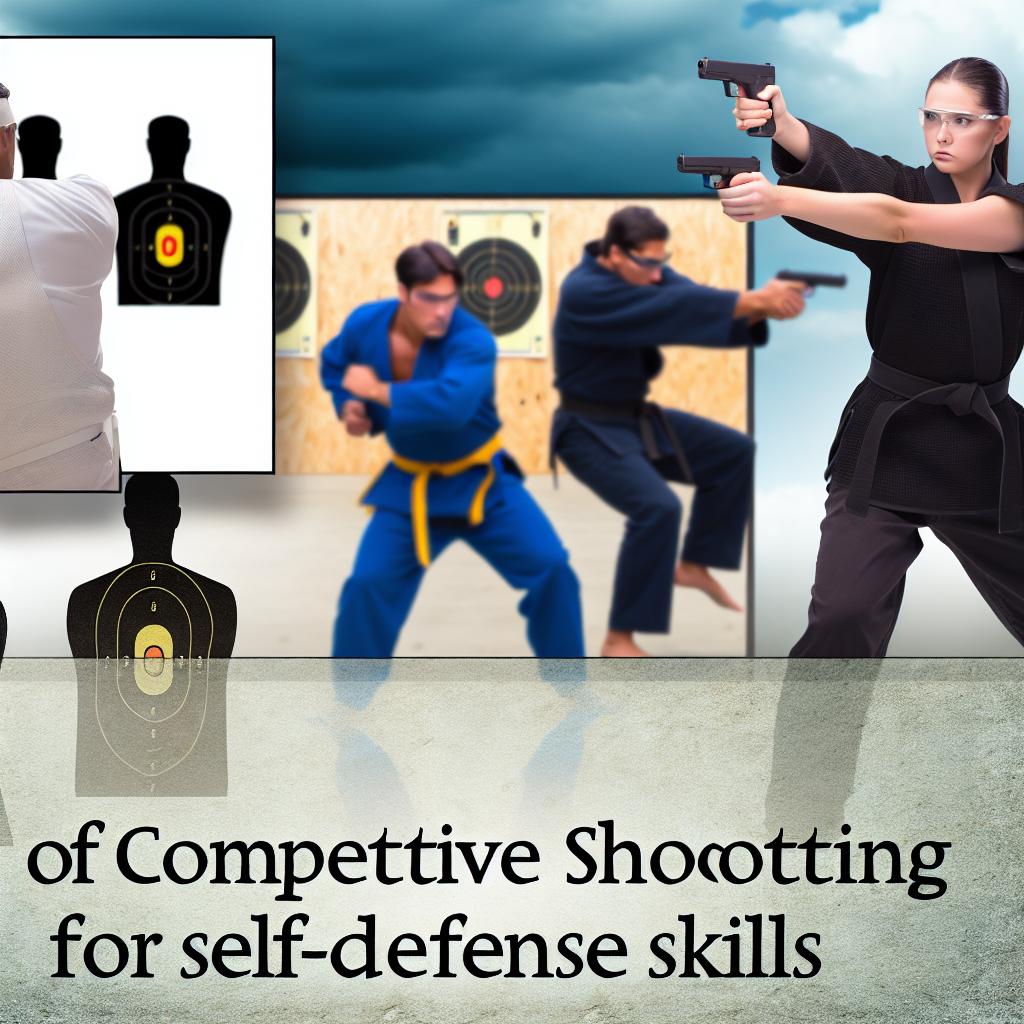
Competitive shooting is often viewed as a sport or recreational activity, but its advantages extend far beyond the range. For individuals interested in enhancing their self-defense capabilities, engaging in competitive shooting can provide invaluable training, skill development, and mental conditioning. This article explores how participating in competitive shooting disciplines can significantly improve one’s ability to respond effectively in self-defense scenarios.
Understanding Competitive Shooting and Its Core Disciplines
Competitive shooting encompasses a variety of disciplines where participants use firearms to engage targets under specific rules and time constraints. These disciplines include practical shooting (IPSC/USPSA), bullseye shooting, 3-gun competitions, steel challenge, and more. Each discipline focuses on accuracy, speed, and firearm handling under pressure.
Unlike casual target shooting, competitive shooting demands precision, quick decision-making, and adaptability — all skills that are directly transferable to self-defense situations.
- IPSC/USPSA Practical Shooting: Emphasizes dynamic movement, quick target acquisition, and tactical problem-solving.
- Bullseye Shooting: Focuses on precision and consistency over longer distances.
- 3-Gun Competitions: Combines rifle, pistol, and shotgun use for versatility and rapid transitions.
- Steel Challenge: Tests speed and accuracy on multiple steel targets with tight time limits.
Each of these formats challenges shooters to improve different aspects of their skill set, making them well-rounded firearms operators capable of handling high-stress encounters effectively.
Enhanced Marksmanship Under Pressure
One of the primary benefits of competitive shooting is the development of advanced marksmanship skills — not just in ideal conditions but under the stress of competition. This closely mirrors the stress-induced scenarios often faced during real-life self-defense encounters.
A study published by the Journal of Applied Psychology (2019) indicated that individuals who regularly engage in high-pressure training environments perform better at fine motor tasks under stress. Competitive shooters routinely train with timers, moving targets, and dynamic courses that simulate pressure similar to defensive encounters.
- Improved Accuracy: Regular practice with varied targets and distances sharpens aim and shot placement crucial for stopping threats quickly.
- Speed and Efficiency: Competitions emphasize quick draws, fast target transitions, and rapid follow-up shots without sacrificing accuracy.
- Muscle Memory Development: Repetition under timed conditions engrains proper grip, stance, sight alignment, and trigger control into reflexive actions.
This muscle memory is vital when adrenaline spikes during a real attack because conscious thought slows down; trained reflexes take over to deliver precise shots efficiently.
Mental Conditioning: Managing Stress and Decision-Making
A critical component of self-defense involves maintaining composure in life-threatening situations. Competitive shooting inherently builds mental resilience through constant exposure to stressful scenarios where split-second decisions impact performance outcomes.
The psychological benefits include:
- Anxiety Management: Shooters learn to control breathing and heart rate while focusing intensely on the task at hand despite distractions or time pressure.
- Tactical Thinking: Courses often require strategic planning—deciding which targets to engage first or how best to move through stages efficiently—skills that mirror threat assessment in defensive encounters.
- Error Recovery: Mistakes happen during matches; competitors develop the ability to quickly refocus without panic—a trait essential when mistakes could cost lives in self-defense situations.
Anecdotal evidence from seasoned competitive shooters highlights how mental toughness gained from matches helped them remain calm during unexpected confrontations outside the range. For example, former law enforcement officers who compete in practical shooting events frequently report better stress management when facing real-world threats due to their competition experience.
Tactical Movement and Holster Work
Competitive shooters often incorporate dynamic movement into their training—a critical skill for real-life self-defense where static stances rarely suffice. Practical shooting disciplines emphasize smooth transitions from holster draws to firing positions while navigating obstacles or cover elements on a stage.
- Smooth Draw Techniques: Fast yet controlled draws reduce time-to-threat engagement significantly.
- Maneuvering While Shooting: Moving accurately while changing position improves survivability against multiple attackers or when seeking cover.
- Reloading Under Duress: Efficient reloads practiced regularly translate into sustained firepower during prolonged confrontations.
The International Defensive Pistol Association (IDPA), which mimics real-world self-defense scenarios more closely than traditional bullseye competition, reinforces these skills by requiring shooters to move tactically around barriers while engaging targets. Participants report increased confidence in firearm handling during fluid situations after training for such events.
The Value of Realistic Training Scenarios
A unique advantage of many competitive shooting sports is their emphasis on realism. Courses are designed to simulate practical challenges such as multiple threat engagement angles, varied target sizes (including non-threats like “no-shoot” targets), low-light conditions, and partial concealment. This complexity fosters situational awareness — an essential component of effective self-defense.
- No-Shoot Targets: Training judgment about when not
No-Shoot Targets: Training judgment about when not to engage is crucial for responsible firearm use. This aspect of competitive shooting helps participants develop the ability to assess threats quickly and accurately.
Incorporating competitive shooting into your training regimen can significantly enhance your self-defense capabilities.