How to Upgrade Your Firearm’s Trigger Spring: A Comprehensive Guide
Upgrading a firearm’s trigger spring is a popular modification among shooting enthusiasts, competitive shooters, and hunters alike. A trigger spring upgrade can significantly enhance the firearm’s trigger pull, improve accuracy, and provide a more satisfying shooting experience. Whether you are looking to reduce trigger weight or improve reset speed, understanding how to properly upgrade your trigger spring is essential for both performance and safety.
Understanding the Role of the Trigger Spring
The trigger spring is a crucial component in your firearm’s trigger mechanism. It controls the amount of force needed to pull the trigger and influences the trigger reset—the time it takes for the trigger to return to its original position after being fired.
Typically, firearms come with factory-installed springs designed for reliability and safety across a wide range of users and conditions. However, these springs may not always offer the optimal performance for precision shooting or personal preference. Upgrading the trigger spring allows shooters to customize their trigger pull weight and feel.
- Trigger pull weight: The amount of force needed to pull the trigger and fire the weapon.
- Trigger reset: The distance or time it takes for the trigger to return to its firing position after being released.
- Shootability: How comfortably and effectively a shooter can operate the firearm under various conditions.
By modifying the spring tension, you can reduce fatigue during extended shooting sessions, increase shot accuracy, and potentially enhance overall firearm control.
Why Upgrade Your Trigger Spring?
There are several reasons why upgrading your firearm’s trigger spring can be beneficial:
- Improved Accuracy: Lighter triggers reduce movement caused by excessive finger pressure, leading to tighter shot groups.
- Smoother Trigger Pull: Enhanced springs often provide a cleaner break with less creep (the slight forward movement before firing), resulting in more predictable shots.
- Faster Reset: Some upgraded springs allow quicker reset times which benefit competitive shooters who need rapid follow-up shots.
- Customization: Shooters can tailor their triggers according to their preferences—whether they prefer a crisp competition-style pull or a heavier defensive setting.
- Increased Confidence: Knowing your firearm performs optimally boosts confidence during hunting or tactical scenarios.
A notable example comes from competitive shooters using Glock pistols who often replace factory springs with aftermarket options like those from Zev Technologies or Ghost Inc., reducing pull weights from around 5.5 pounds to as low as 3.5 pounds without compromising safety.
Types of Trigger Springs and Their Effects
Selecting the right replacement spring depends on your specific goals and firearm model. Understanding common types of springs will help you make an informed choice:
- Standard Springs: These are factory-installed springs designed for general use with balanced pull weight and durability.
- Lighter Springs: Designed to reduce pull weight by decreasing spring tension, offering smoother and easier pulls but sometimes at a trade-off with reliability if taken too far.
- Competition Springs: Engineered for speed and smoothness, these springs offer quick resets and minimal creep, favored by sport shooters.
- Tactical/Heavy Springs: Heavier springs increase pull weight for added safety in defensive firearms where accidental discharge prevention is critical.
A case study involving Smith & Wesson M&P pistols demonstrated that installing lighter striker springs reduced average trigger pull weight from approximately 6 pounds to just over 4 pounds while maintaining consistent reliability over thousands of rounds fired during controlled testing sessions.
The Step-by-Step Process: How to Upgrade Your Trigger Spring Safely
If you decide to upgrade your firearm’s trigger spring yourself, following proper procedures is essential for safety and effectiveness. Here’s an outline of steps typically involved in upgrading most handgun models’ trigger springs:
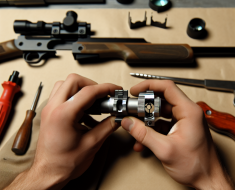
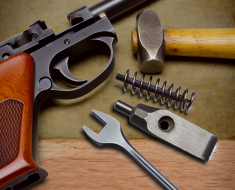
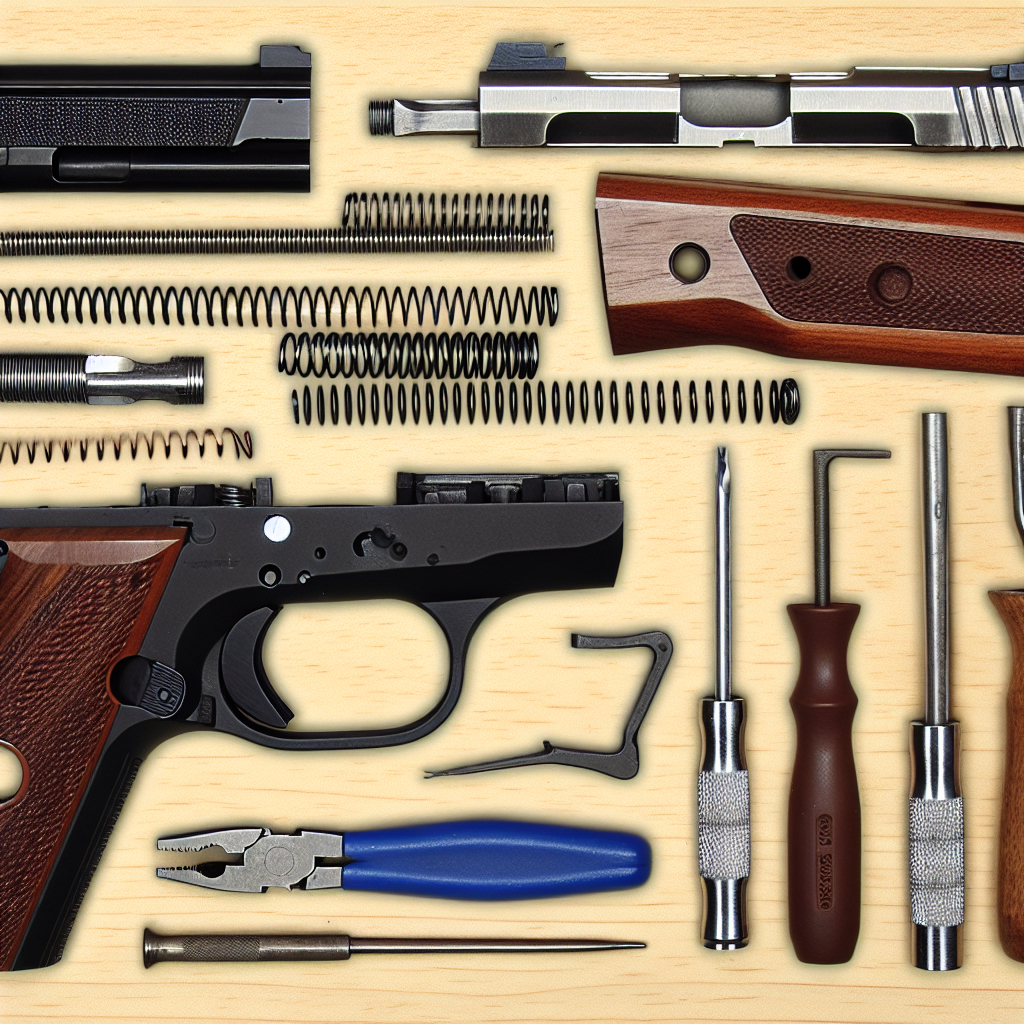
Step 1: Gather Necessary Tools and Parts
- Screwdrivers (flathead or Phillips depending on your gun)
- Punch set
- Pliers
- A clean workspace with good lighting
- Your chosen aftermarket or replacement spring kit
- The firearm manual (for reference)
Step 2: Ensure Safety First
-
Unload your firearm completely by removing the magazine and visually inspecting the chamber.
-
Keeps ammunition stored separately while working on your gun.
-
If possible, use a gun vise or secure platform to stabilize your firearm during disassembly.
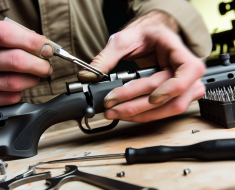
Step 3: Disassemble Your Firearm According to Manufacturer Instructions
-
This often involves removing slides, pins, or grips depending on model type (e.g., Glock vs. Sig Sauer).
-
The goal is gaining access to the internal parts where the trigger spring resides without damaging other components.
-
If unsure about disassembly steps consult manufacturer manuals or trusted online tutorials specific to your model.
Consult manufacturer manuals or trusted online tutorials specific to your model for guidance on proper reassembly and ensure everything is correctly put back together before testing your firearm.
With careful attention to detail, upgrading your trigger spring can significantly enhance your shooting experience.