How to Legally Own a Machine Gun in the U.S.
The ownership of machine guns in the United States is a topic shrouded in myths, misconceptions, and strict legal regulations. While Hollywood movies often depict automatic weapons as easily accessible, the reality is far more complex. For civilians interested in legally owning a machine gun, understanding the intricate legal framework, compliance requirements, and potential pitfalls is essential. This article provides a comprehensive guide on how to legally own a machine gun in the U.S., exploring federal laws, state restrictions, application procedures, and practical considerations.
Understanding Machine Guns and Their Legal Definition
Before delving into ownership procedures, it is important to clarify what qualifies as a machine gun under U.S. law. According to the National Firearms Act (NFA) of 1934 and further clarified by the Gun Control Act (GCA) of 1968:
- Machine Gun Definition: Any firearm that can fire more than one round automatically with a single pull of the trigger.
- Includes: Fully automatic rifles, submachine guns, and some select-fire weapons capable of both semi-automatic and automatic fire.
- Excludes: Semi-automatic firearms, which require a separate trigger pull for each shot.
This distinction is crucial because machine guns are regulated under federal law much more stringently than semi-automatic firearms.
The National Firearms Act (NFA) and Its Impact on Machine Gun Ownership
The cornerstone of legal machine gun ownership in the United States is the National Firearms Act (NFA), enacted in 1934. The NFA was introduced to regulate certain types of firearms deemed particularly dangerous or associated with criminal activity, including machine guns.
Key points about the NFA include:
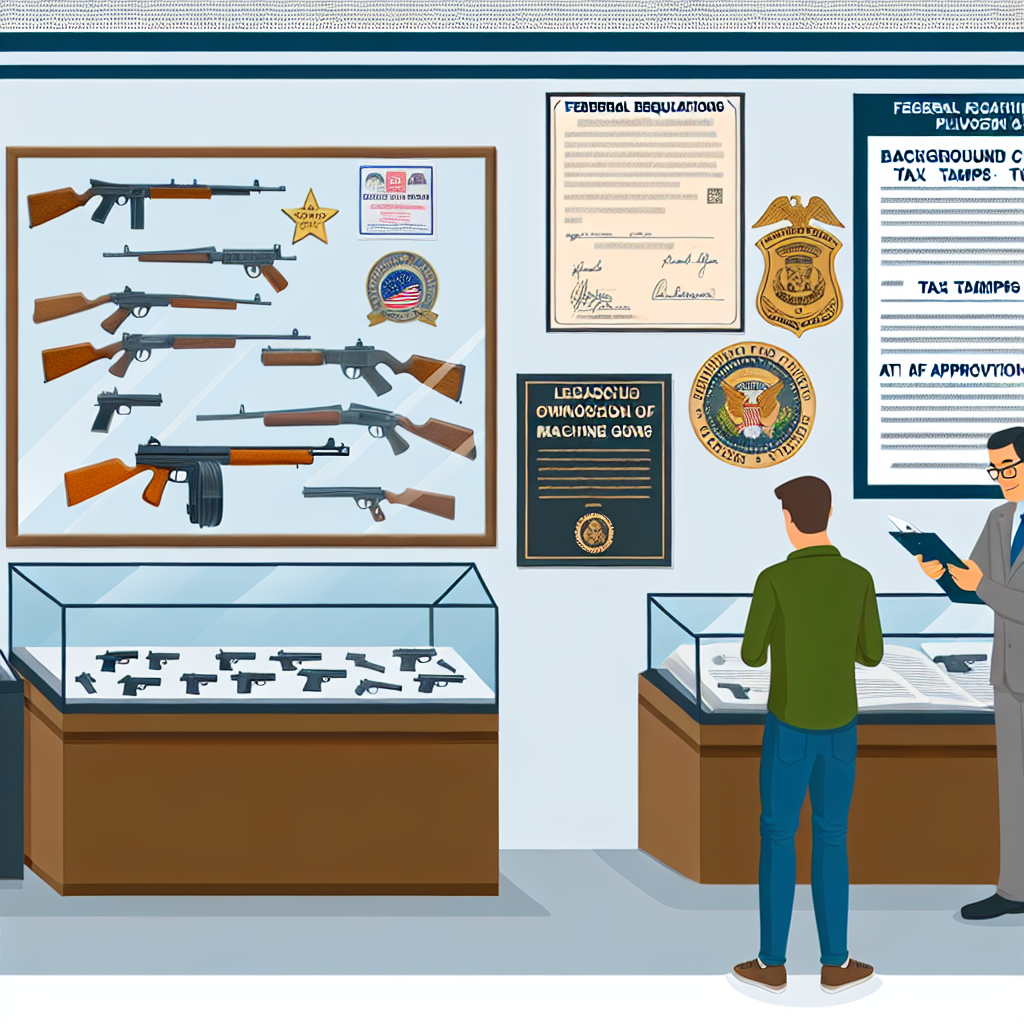
- Registration Requirement: All machine guns must be registered with the Bureau of Alcohol, Tobacco, Firearms and Explosives (ATF).
- Transfer Tax: There is a $200 tax imposed on each transfer of an NFA firearm — a substantial sum when adjusted for inflation since 1934.
- Background Checks and Approval: Prospective owners must undergo extensive background checks and receive ATF approval before legally possessing a machine gun.
- NFA Trusts: Many owners use legal entities called trusts to hold NFA items, simplifying management and transfer within families or groups.
The NFA fundamentally transformed how civilians could interact with fully automatic weapons by imposing rigorous controls on their manufacture, transfer, and possession.
The Hughes Amendment: A Major Restriction on New Machine Gun Ownership
A critical piece of legislation affecting machine gun ownership today is the Hughes Amendment to the Firearm Owners’ Protection Act (FOPA), passed in 1986. This amendment effectively froze civilian ownership of new machine guns manufactured after May 19, 1986.
The implications are profound:
- No New Manufacturing for Civilians: Only machine guns legally registered before this cutoff date can be owned by civilians.
- Existing Registered Machine Guns Are Transferable: Registered pre-1986 machine guns can still be legally bought and sold among civilians following proper procedures.
- Dramatic Price Increase: Due to scarcity caused by this freeze, prices for legally transferable machine guns have skyrocketed. For example, certain models can cost upwards of $30,000 or more on the secondary market.
This law has effectively limited civilian access to automatic firearms while still allowing those who owned them prior to 1986 to maintain their rights under strict regulations.
The Process of Legally Owning a Machine Gun: Step-by-Step Guide
If you are interested in legally owning a machine gun that complies with federal law, it’s vital to understand the step-by-step process involved. Here’s an overview:
1. Identify a Legally Transferable Machine Gun
You must first find a machine gun that was manufactured before May 19, 1986, and is properly registered with the ATF. This usually involves purchasing from licensed dealers or private parties who are compliant with NFA laws.
2. Complete ATF Form 4 Application
The prospective owner must fill out ATF Form 4 (Application for Tax Paid Transfer and Registration of Firearm). This form requires detailed personal information including fingerprints and photographs.
3. Undergo FBI Background Check (NICS)
A thorough background check through the National Instant Criminal Background Check System (NICS) ensures applicants do not have disqualifying criminal records or mental health issues preventing firearm ownership.
4. Pay the $200 Transfer Tax
This tax applies per firearm transferred under the NFA regulations. The payment must accompany your application before submission.
5. Await ATF Approval
The approval process can take several months—often between six months to over a year—due to detailed investigations conducted by ATF agents into your eligibility and trustworthiness as an owner.
6. Take Possession Upon Approval
If approved, you will receive authorization to take possession of the machine gun legally under federal law.
At this stage, it’s essential to ensure you comply with all state and local laws regarding machine gun ownership, as they may have additional requirements.
Following these steps carefully will help you navigate the legal landscape of owning a machine gun in the U.S.