Collecting Early 20th Century Sporting Rifles: A Comprehensive Guide
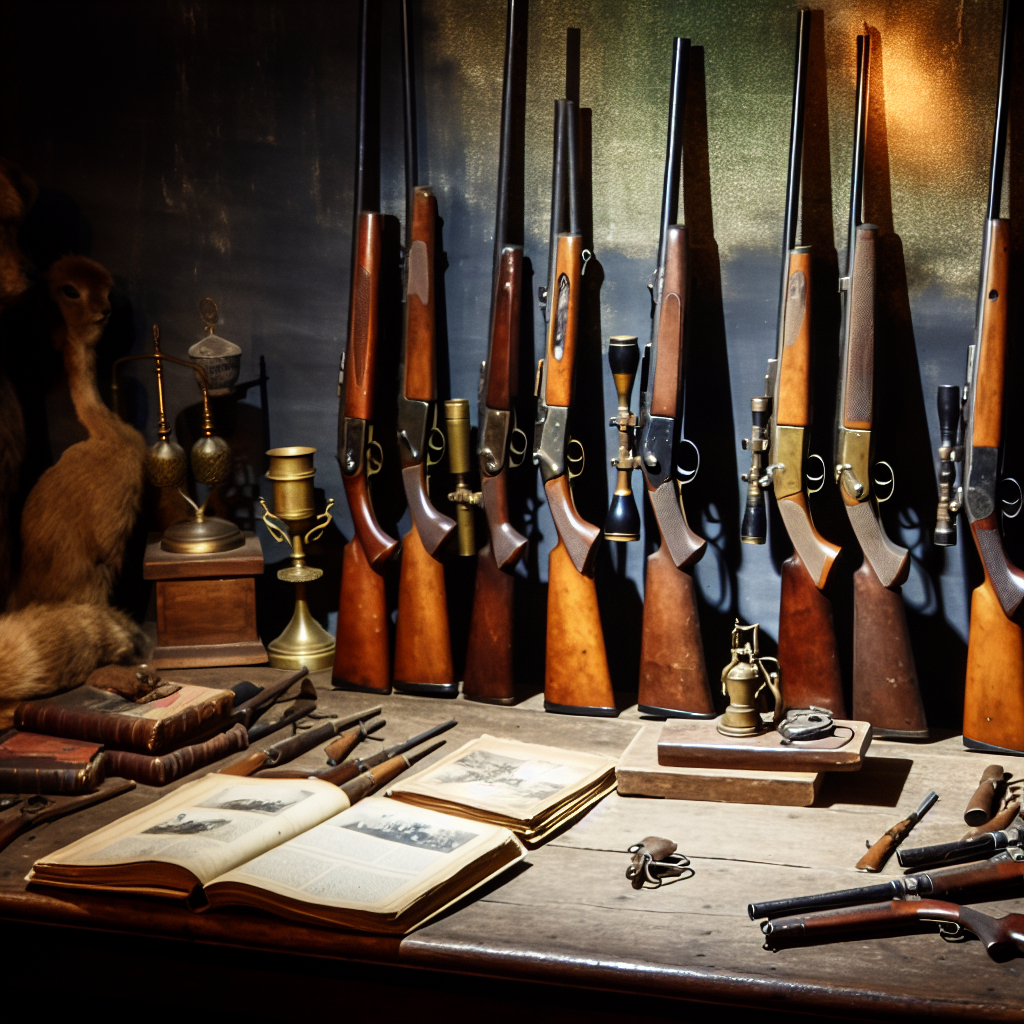
The early 20th century marked a fascinating era in the development of sporting rifles. This period witnessed significant technological advancements, artistic craftsmanship, and the emergence of iconic firearm manufacturers whose products have become highly sought after by collectors worldwide. Whether you are a seasoned collector or a newcomer interested in the heritage and value of these firearms, understanding the nuances of early 20th-century sporting rifles is crucial.
Historical Context: The Evolution of Sporting Rifles in the Early 1900s
The dawn of the 20th century was an era of transformation for firearms technology, heavily influenced by both military innovations and civilian demand for precision hunting tools. Sporting rifles from this period often reflect a blend of tradition and modernity.
Several factors shaped the design and production of sporting rifles during this time:
- Technological Advances: The introduction of smokeless powder dramatically changed ballistics and rifle design, allowing for more powerful and accurate cartridges.
- Rise of Big Game Hunting: Colonial expansion and increased global travel popularized big game hunting, leading to specialized rifles designed for various environments, from African safaris to North American wilderness.
- Manufacturing Techniques: The industrial revolution allowed for more precise machining and mass production, while many manufacturers still maintained hand-finished components to ensure quality.
This period also saw famous makers such as Winchester, Mauser, Lee-Enfield (converted for sporting use), and British makers like Holland & Holland and Purdey producing some of their most celebrated models. These rifles often combined functionality with exquisite craftsmanship.
Key Characteristics of Early 20th Century Sporting Rifles
Understanding what sets early 20th-century sporting rifles apart from other firearms is essential for collectors. These characteristics include design elements, materials used, and specific technical features that define their identity.
Calibers and Cartridge Innovations
The transition to smokeless powder led to the development of new calibers optimized for accuracy and stopping power. Popular calibers included:
- .30-06 Springfield – Introduced by the U.S. military but quickly adopted by civilian hunters for its versatility.
- .375 H&H Magnum – Designed by Holland & Holland in 1912 specifically for big game hunting in Africa.
- .303 British – Originally a military cartridge but frequently used in sporting rifles through conversions or custom builds.
The choice of caliber often reflected the intended use — lighter calibers for small game or target shooting, heavier rounds tailored to large or dangerous game.
Design Features
- Bolt Action Mechanisms: Bolt-action rifles became standard due to their reliability and ease of use. Notable examples include Mauser-style actions prized for their strength and smooth operation.
- Stock Materials: Walnut was the preferred wood due to its durability and attractive grain patterns; some high-end models featured hand-carved stocks with intricate checkering.
- Sights: Many early sporting rifles were fitted with iron sights initially but later adapted to accept telescopic sights as optics technology advanced during this era.
Aesthetic Craftsmanship
Aside from functional aspects, aesthetic qualities were paramount. Collectors often seek out rifles with hand-engraved receivers, custom engraving on barrels, gold inlays on triggers or bolt handles, and elaborate stock carvings that highlight artisanal skill.
Notable Manufacturers and Iconic Models
The early 20th century’s sporting rifle landscape was shaped by several key manufacturers whose products remain highly collectible today. Let’s explore some significant players and their noteworthy models:
Winchester Repeating Arms Company
Winchester’s Model 54 (introduced in 1925) is an excellent example of an American bolt-action sporting rifle designed primarily for hunting. Featuring a Mauser-type action adapted to American preferences, it gained popularity for its accuracy and craftsmanship before being replaced by the Model 70 in 1936 — often called “The Rifleman’s Rifle.” Collectors prize both models due to their historical importance and quality.
Holland & Holland
This British gunmaker was synonymous with luxury firearms crafted with precision. Their .375 H&H Magnum introduced in 1912 became one of the most enduring big-game cartridges globally. Their bespoke sporting rifles are characterized by exceptional engraving work, fine wood stocks, and reliability under harsh conditions—attributes that continue to attract collectors worldwide.
Krieghoff & Mauser
The German Mauser bolt-action mechanism revolutionized rifle design globally. Sporting variants built on Mauser actions are prized for their robust engineering. Krieghoff produced specialized hunting rifles utilizing these actions with custom finishes that appeal strongly to collectors interested in European craftsmanship.
Lee-Enfield Conversions
The Lee-Enfield rifle was primarily a military firearm but converted versions were popular among hunters due to their fast cycling bolt action and ruggedness. Some conversions involved rechambering these rifles into popular sporting calibers like .303 British or .30-06 Springfield. These hybrid rifles offer unique collecting opportunities bridging military history with civilian sport shooting.
The market for early 20th century sporting rifles has seen fluctuations in trends and values, influenced by factors such as rarity, condition, and historical significance. Collectors should focus on provenance and the quality of craftsmanship to make informed purchases.
Ultimately, the passion for these rifles lies in their rich history and the stories they tell.