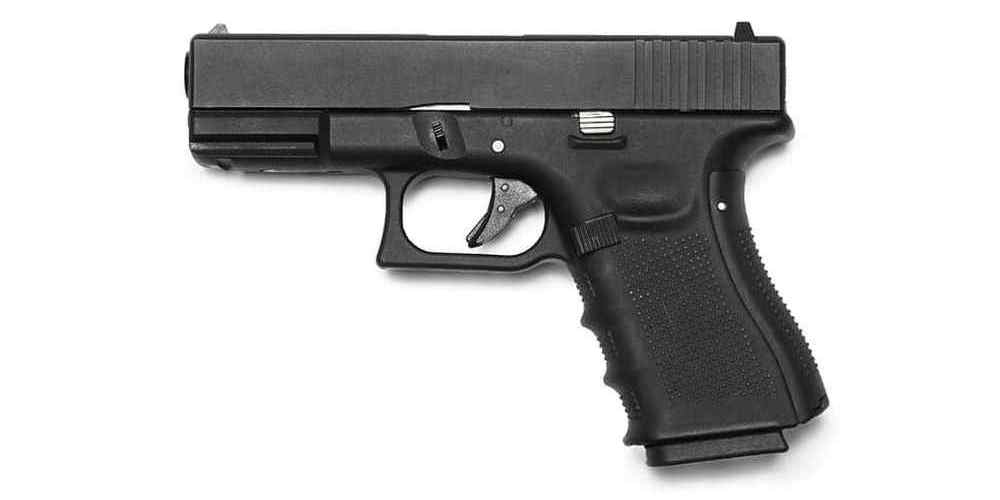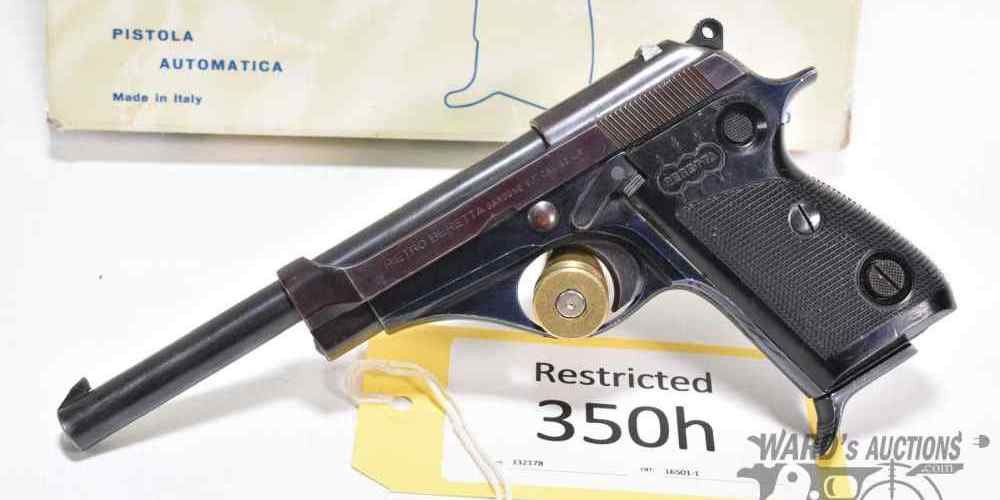
If you’ve ever swapped from one box of handgun ammo to another and thought, “Why does this pistol suddenly feel softer, snappier, or just plain different?” you’re not imagining it. Ammunition brands can vary in powder type, bullet weight, overall cartridge length, primer sensitivity, and even case dimensions, and those differences can change how your handgun recoils, cycles, and settles back on target. For shooters who care about accuracy, reliability, and comfort—whether at the range, on duty, or for lawful self-defense—understanding those changes is an important part of responsible firearm ownership.
At its core, your handgun is a mechanical system that responds to pressure and timing. Different manufacturers build ammunition to meet the same basic standards, but they often do so with different recipes and tolerances. That means one brand may feel smoother and more controllable, while another may generate a sharper impulse or run a little hotter. Knowing why that happens can help you choose ammunition more confidently, test loads more effectively, and avoid unpleasant surprises when it matters most.
Why Ammo Brands Change Your Handgun’s Feel
Different ammo brands can make the same handgun feel noticeably different because not all cartridges are built the same way. Even when two loads share the same caliber and bullet weight, they may use different powders, primers, case materials, and manufacturing tolerances. Those variations affect how quickly pressure rises and how the slide or recoil system reacts, which is why one brand might feel “soft” and another might feel “snappy.”
Bullet construction also plays a big role. A 115-grain full metal jacket load may behave differently from a 124-grain or 147-grain load, even within the same caliber. Heavier bullets often move at lower velocities and can produce a slower, heavier push, while lighter bullets may create a sharper impulse. Some shooters notice this immediately in compact handguns, which have less weight to absorb recoil than full-size models.
There’s also a historical side to this. Ammunition manufacturing used to vary even more widely than it does today, and older shooters learned quickly that one brand’s “standard” load could feel very different from another’s. Modern quality control is much better, but brand-to-brand differences still exist. That’s why experienced shooters often test several factory loads before settling on a preferred range round or defensive load.
Recoil, Pressure, and Reliability Explained
Recoil is only part of the story; pressure matters just as much. When a cartridge fires, expanding gases push the bullet forward and drive the slide or cylinder rearward. If one brand produces slightly higher pressure or a faster pressure curve, the handgun can feel sharper in the hand, cycle more briskly, or throw brass differently. This is one reason some loads feel “hotter” even if the box label looks similar.
Reliability can change too, especially in semi-automatic pistols. Ammunition that is underpowered may not cycle the slide fully, leading to failures to eject or failures to feed. Ammunition that is overly energetic can increase wear or make the gun feel unusually violent under recoil. In revolvers, the brand difference may show up more in recoil and accuracy than cycling, but even then, inconsistent ammunition can affect point of impact and follow-up shot control.
For practical use, the best approach is careful testing with your specific handgun. Fire a few magazines or cylinders of any new brand before trusting it, and pay attention to function, recoil impulse, ejection pattern, and accuracy at realistic distances. Keep your firearm clean, follow the manufacturer’s recommended ammunition types, and never exceed published pressure limits or use questionable reloads unless you have the skill, equipment, and discipline to verify them safely. Responsible shooters know that the “best” ammunition is not just the most powerful or the most expensive—it’s the one that performs consistently in the firearm you actually own.
Different ammo brands can make your handgun feel softer, sharper, more reliable, or less predictable because small changes in design and manufacturing translate into real differences at the firing line. That’s not a flaw in your gun; it’s simply how firearms and ammunition interact. By understanding bullet weight, pressure curve, and load consistency, you can make smarter choices and better interpret what your handgun is telling you.
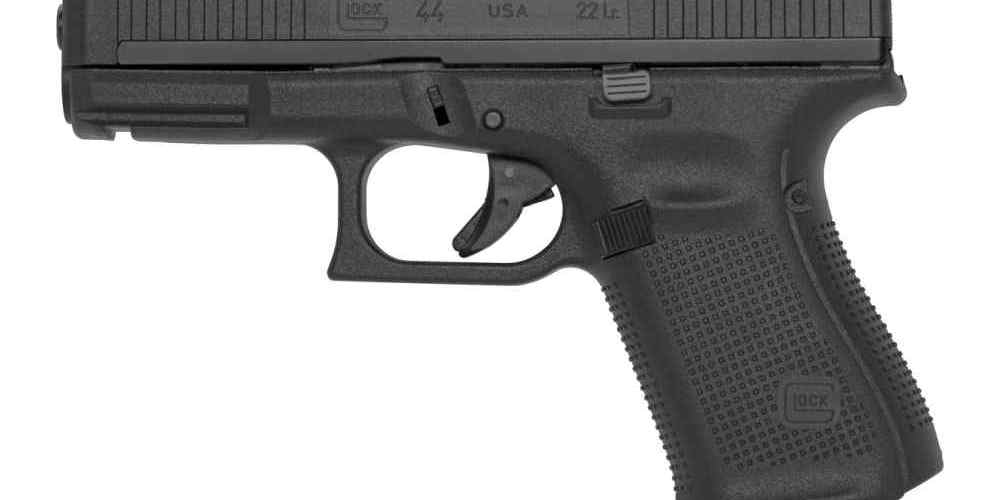
The safest and most effective path is to test ammunition methodically, choose reputable manufacturers, and stick with loads that function reliably in your firearm. Whether you shoot for competition, hunting, home defense, or recreational practice, paying attention to how your handgun behaves with different brands will help you build confidence and improve performance. In the end, informed shooters are safer shooters—and that always pays off on the range and beyond.