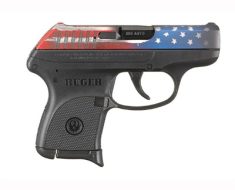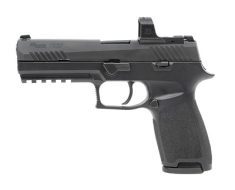
For handgun owners, hunters, self-defense practitioners, and serious firearm enthusiasts, a magazine that drops free every time is more than a convenience—it is a matter of speed, consistency, and confidence. Whether you are clearing a range drill, performing a reload under stress, or simply maintaining your sidearm properly, a magazine that exits the grip cleanly helps you work efficiently and safely. In a well-designed pistol, the magazine should fall out under its own weight when the release is pressed, without sticking, dragging, or needing to be stripped out by hand.
That said, not every handgun behaves the same way, and not every magazine is built to the same standard. Fit tolerances, magazine body finish, follower design, spring strength, and even the condition of the pistol’s mag well can all affect drop-free performance. Understanding these details helps you choose the right equipment and keep it functioning at its best. Just as important, all handling and testing should be done with proper safety discipline, in a controlled environment, with the firearm unloaded and pointed in a safe direction.
What Makes a Magazine Drop Free Cleanly
A magazine drops free cleanly when the pistol’s magazine release system, magazine body, and magazine well are all working together with minimal friction. In practical terms, that means the magazine is not being pinched by oversized dimensions, rough finish, weak spring alignment, or a bent body. Modern service pistols are often designed with drop-free magazines in mind, especially those intended for defensive use, law enforcement, and competition. Older designs, however, may retain magazines more firmly, either by design or due to wear and manufacturing differences.
One of the biggest factors is tolerance. A magazine that is slightly too wide, has sharp seam edges, or features a coating that increases drag may not eject smoothly in every pistol. Likewise, debris, fouling, or grime inside the mag well can slow release performance. Even a magazine that is theoretically “drop free” can hesitate if the pistol has accumulated residue or if the frame has been damaged. Careful cleaning and inspection are part of responsible ownership and help prevent avoidable malfunctions.
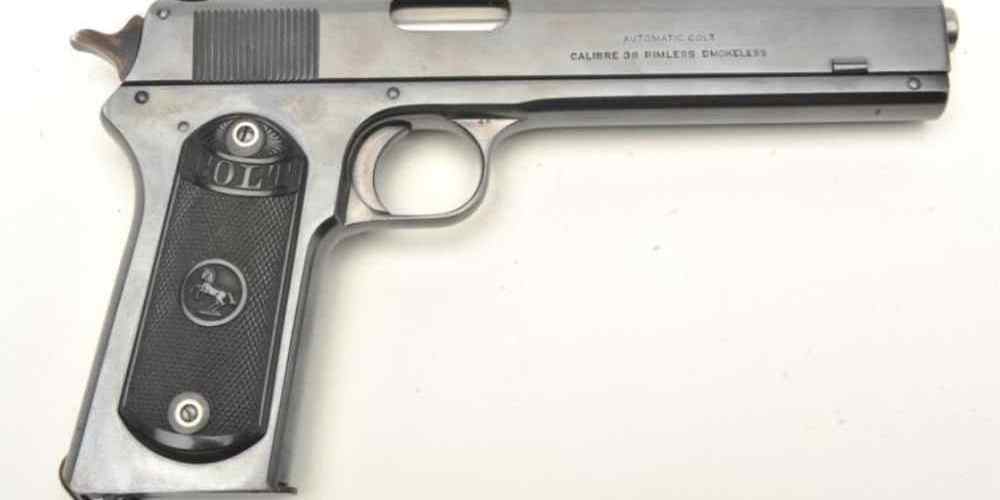
Historical context matters too. Early service pistols were not always designed around fast magazine changes the way modern duty and competition guns are. Many classic handguns held onto their magazines more tightly, and the user was expected to pull them free manually. Today, the market strongly favors magazines that release quickly because defensive shooters, competitive shooters, and instructors all value faster reloads. Still, the best setup is not just the fastest one—it is the one that runs reliably in your specific firearm and is validated through safe range testing.
Choosing Handgun Magazines That Release Fast
When choosing handgun magazines that release fast, start with the pistol maker’s recommended magazines or reputable OEM equivalents. Factory magazines are usually the safest baseline because they are designed around the firearm’s dimensions and release geometry. For many owners, this alone provides the best combination of reliable feeding, consistent lockup, and clean drop-free behavior. Aftermarket magazines can work well, but they should be evaluated carefully, since a lower price does not always equal dependable function.
Material and finish also matter. Stainless steel, coated steel, and polymer-bodied magazines each have strengths and weaknesses. A slick, durable finish can reduce friction in the mag well, while excessive roughness or poor coating quality can make release inconsistent. Followers and base pads influence handling as well: a well-designed follower improves feeding, while a base pad can make it easier to grasp a magazine during administrative handling or malfunction clearing. For concealed carry or defensive use, any extended base pad should still allow proper seating and should not interfere with concealment or compatibility.
The most practical advice is to test magazines in the exact handgun you intend to use. Insert them, verify lockup, press the release with the firearm unloaded, and observe whether they fall free consistently under gravity alone. Repeat the test with clean and slightly dirty conditions, because real-world use is not always pristine. If a magazine sticks, first check for obvious causes such as debris, damaged feed lips, or a rough mag well before replacing parts. In a responsible setup, every magazine intended for self-defense or serious use should be proven at the range before it is trusted for carry.
The best handgun magazines are the ones that combine reliable feeding with clean, repeatable drop-free performance. That performance comes from good design, proper maintenance, and careful compatibility between the magazine and the pistol. For the armed citizen, sports shooter, or hunter who values dependable gear, this is one of those small details that can make a meaningful difference in speed and confidence.
Above all, remember that safe handling comes first. Always test magazines with an unloaded firearm, follow range rules, and confirm function before relying on any equipment in the field or for defensive carry. A magazine that drops free every time is a useful advantage—but only when it is part of a well-maintained, legally owned, and responsibly used firearm system.