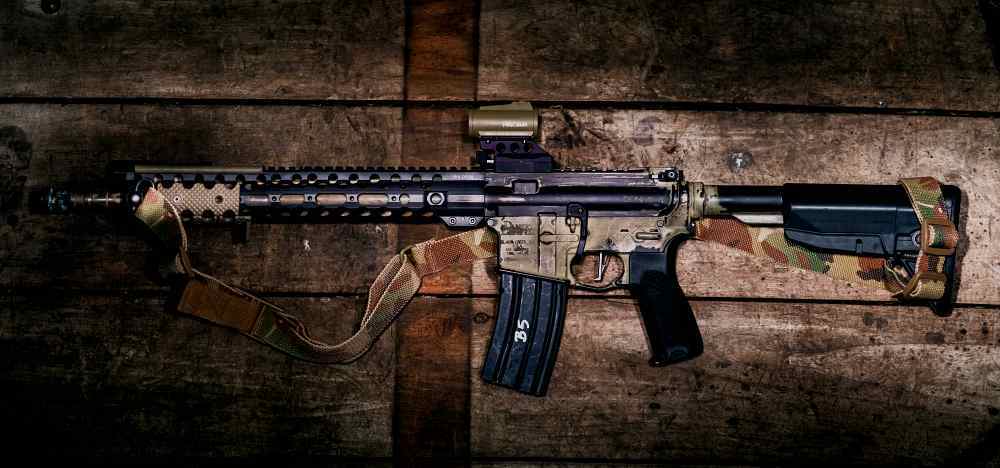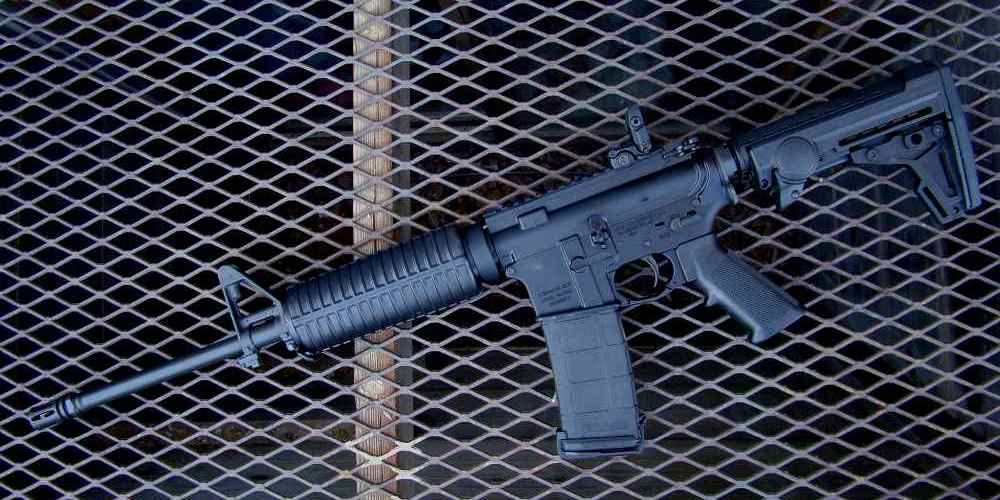
Overgassing is one of the most common causes of harsh recoil, unreliable cycling, and unnecessary wear in AR-style rifles. When a rifle is overgassed, the action cycles faster and harder than it should, which can lead to increased felt recoil, extractor stress, brass damage, and a less enjoyable shooting experience. For responsible owners who want their rifles to run smoothly and safely, understanding gas port size is a practical place to start.
The “secret” is not really a secret at all: gas port size has a direct effect on how much gas enters the system, and that influences how aggressively the rifle cycles. Too much gas can make a rifle feel snappy and abusive; the right amount can make it feel controlled, predictable, and easier to maintain. Whether you are building a rifle, diagnosing a problem, or simply trying to improve performance, gas port sizing is one of the most important technical factors to understand.

The Gas Port Size Fix for Overgassing
Gas port size is the diameter of the opening in the barrel that channels gas into the gas system after a round is fired. In an AR platform, that gas drives the bolt carrier group rearward, unlocking the action and cycling the next round. If the port is too large for the barrel length, gas system length, ammunition, and suppressor use, the rifle can become overgassed and cycle more violently than intended.
Historically, gas system tuning has evolved alongside changes in barrel lengths, ammunition pressure, and accessory use. Many rifles are built to function reliably across a wide range of conditions, but that reliability can come at the expense of smooth operation. A slightly oversized gas port may ensure the rifle runs in adverse conditions, yet it can also create excess bolt speed, sharper recoil impulse, and more mechanical wear over time.
The most effective fix is to match the gas port to the rifle’s intended use rather than assuming one size fits all. Barrel length, gas system length, buffer weight, spring strength, ammunition type, and suppressor use all influence how much gas is actually “right.” For many shooters, the solution is a balanced setup that uses a properly sized gas port, paired with sensible buffer and spring selection, to keep the rifle reliable without being harsh.
How to Tune Your AR for Smoother Cycling
Start by observing how the rifle behaves before changing parts. Signs of overgassing can include excessive recoil, brass ejecting forcefully forward, flattened primers in some loads, extractor marks on brass, and the bolt unlocking very quickly. While none of these signs alone proves a problem, together they can point to a system that is running harder than necessary.
Tuning for smoother cycling often involves more than gas port size alone. Adjustable gas blocks, buffer weight changes, and spring selection can all help tame a rifle that is cycling too fast. A heavier buffer, for example, can slow the action slightly and reduce bolt carrier velocity, while an adjustable gas block lets you fine-tune gas flow to match your ammunition and accessories. These changes should always be made gradually and tested carefully with the specific loads you intend to use.
Safety and reliability should guide every adjustment. After any change, function test the rifle with the ammunition you trust for training, hunting, or defensive use, and confirm proper lockback, feeding, and ejection. If you are unsure about component compatibility, consult a qualified gunsmith or follow the manufacturer’s recommendations, because a rifle that is “softer” is not automatically better if it sacrifices reliability. The goal is a well-balanced firearm that cycles smoothly, remains dependable, and reflects responsible ownership.
The real value of understanding gas port size is that it gives gun owners a practical way to solve overgassing problems at the source. Instead of simply accepting a rifle that feels rough or beats itself up, you can approach the issue methodically and make informed changes that improve performance. That leads to a firearm that is easier to shoot, easier to control, and easier on parts over the long term.
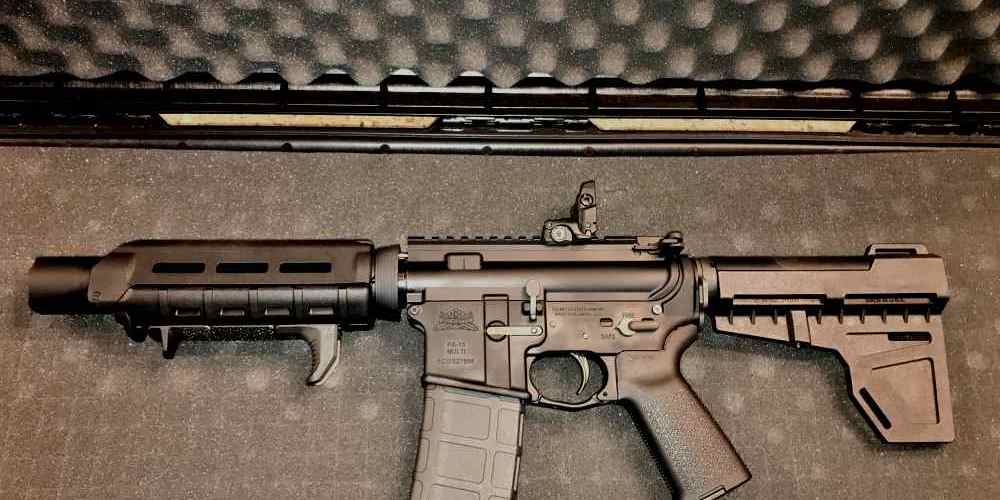
For enthusiasts, hunters, and defensive shooters alike, the best setup is the one that matches the rifle to its job. A carefully tuned gas system, combined with proper maintenance and safe testing practices, can make a noticeable difference in both comfort and reliability. In the end, responsible gun ownership means understanding how your rifle works and making choices that support safe, legal, and dependable use.