The AR-15 has earned its reputation for modularity, reliability, and adaptability, but many owners still notice the same complaint after a few upgrades: the rifle starts to feel nose-heavy. That front-loaded sensation can affect how quickly the gun tracks, how steady it feels in the hands, and how comfortable it is during longer range sessions or field use. The good news is that a nose-heavy AR is usually the result of a few predictable factors, and with the right approach, it can be brought back into a more balanced, controllable setup without sacrificing performance or safety.
Why Your AR-15 Feels Nose-Heavy Up Front
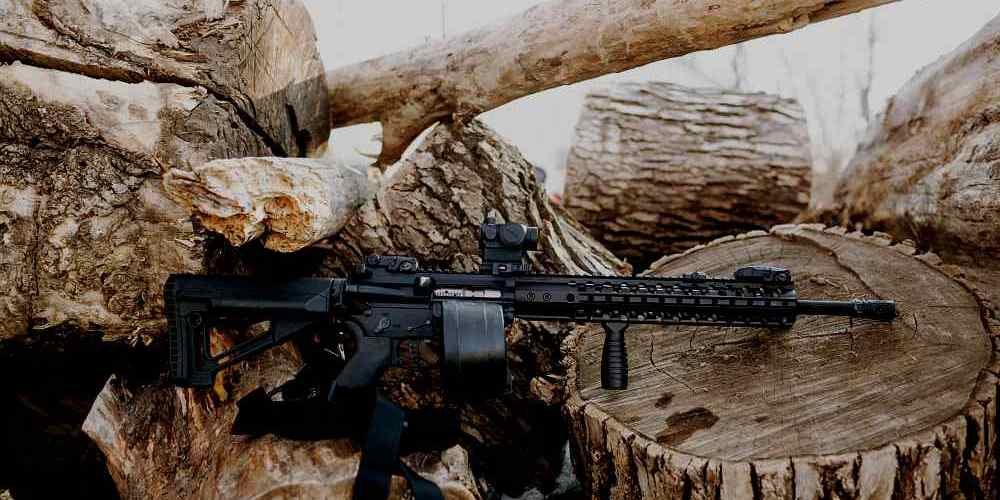
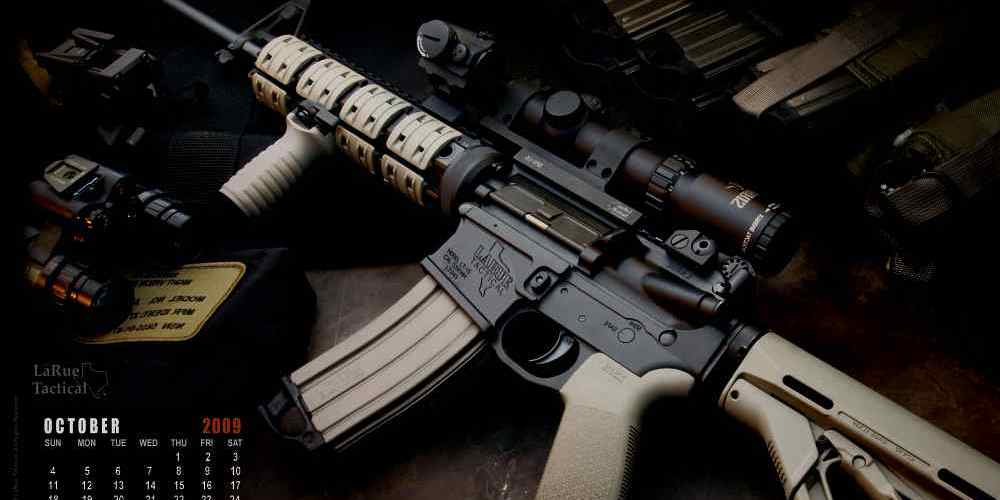
One of the biggest reasons an AR-15 feels front-heavy is the accumulation of accessories at the muzzle end. Optics, lights, suppressors, bipods, metal handguards, and heavy barrel profiles all add weight forward of the receiver, where every ounce has a bigger effect on balance than it would closer to the stock. Even a modest amount of hardware can make the rifle feel sluggish when moving between targets or shouldering the gun quickly from a ready position.

Barrel length and profile also matter a great deal. A longer barrel naturally places more mass farther from the shooter, and a heavier-profile barrel, while often excellent for durability and heat management, can make the rifle feel anchored toward the front. Historically, many military and sporting rifles were designed with a forward bias to help steady the weapon for deliberate fire, but modern AR owners often want a faster-handling carbine for dynamic shooting, home defense, or all-day carry in the field. That shift in use case is a major reason balance gets noticed so quickly.
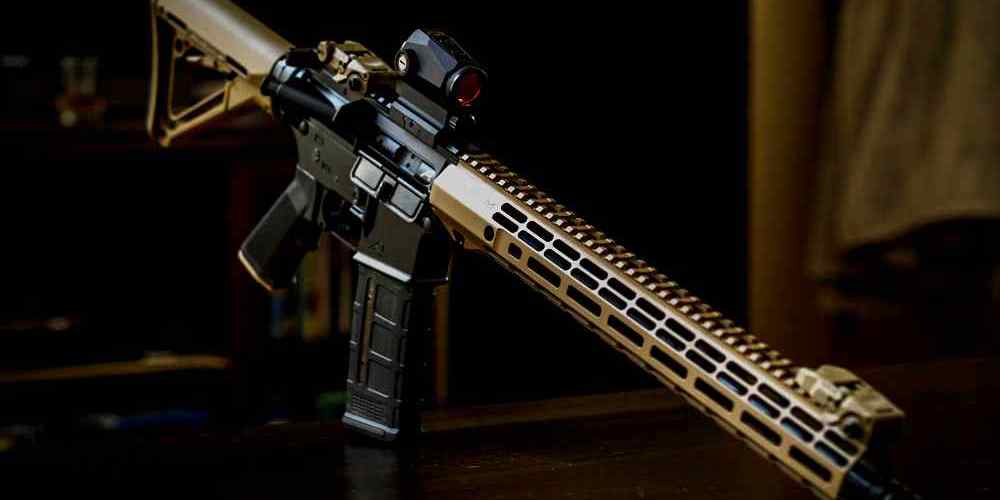
The handguard and gas system can contribute too. Free-float rails made from robust aluminum are great for accuracy and accessory mounting, but some of the sturdier models add more weight than traditional polymer furniture. Add a full-length M-LOK setup, a large weapon light, and a muzzle device that is already heavier than standard, and the rifle can start to feel like it wants to dip forward. Responsible owners should always remember that any change affecting handling should be evaluated alongside reliability, legal compliance, and intended use.
Simple Balance Fixes for a Better-Shooting AR
The easiest way to improve balance is to audit what is actually necessary on the rifle. Start by looking at the front end and asking whether each accessory earns its place: is the light essential, is the optic mounted too far forward, is the bipod always attached when it does not need to be, and is the muzzle device heavier than required for the rifle’s purpose? Small reductions add up quickly, and moving even a few ounces rearward—or removing them entirely—can make the gun feel dramatically livelier in hand.
Furniture choices can also make a real difference. A lighter handguard, a more compact weapon light, or a stock with more usable weight at the rear can help shift the center of gravity back toward the shooter. For many AR owners, the most practical fix is not exotic at all: choose components that match the rifle’s role. A home-defense carbine does not need the same front-end loadout as a precision-oriented range rifle, and a hunting setup benefits from different tradeoffs than a general-purpose training gun. Good balance is less about making the rifle “light” and more about making it feel right for the way you actually use it.
Finally, verify the improvement through safe handling and range time. Any modifications should be installed correctly, checked for proper function, and tested with the firearm unloaded before live fire. Balance affects how the rifle tracks, how stable it feels on target, and how fatigued you get over time, so take a few deliberate shoulder transitions and support-hand holds to judge the difference. If you are uncertain about a part’s compatibility, installation, or legal status in your area, consult a qualified gunsmith and follow all applicable laws. Responsible ownership means tuning the rifle for performance without compromising safety, reliability, or compliance.
A nose-heavy AR-15 is usually not a flaw in the platform—it is simply the result of how weight is distributed across a highly customizable rifle. Once you understand where that weight is coming from, it becomes much easier to make smart, practical changes that improve handling. Whether you are building a lightweight carbine for fast target transitions or refining a field rifle for better comfort, balance is one of the most overlooked factors in shooting confidence.
The best fix is often a combination of restraint and intention: keep only the accessories you truly need, choose components that match the rifle’s role, and verify every change safely. A better-balanced AR feels easier to aim, easier to control, and less tiring to shoot, all while remaining reliable and effective. For serious gun owners, hunters, and responsible defenders alike, that kind of thoughtful setup pays off every time the rifle comes off safe and into the hands.