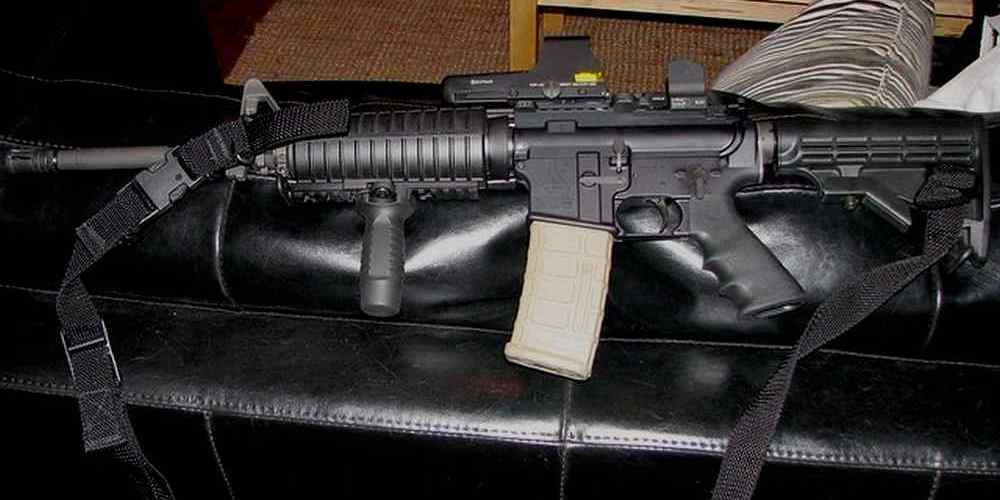
The AR-15 lower parts kit may look like a small bag of springs, pins, and levers, but it plays an outsized role in how safely and reliably the rifle functions. A simple mix-up during assembly can create problems with the selector, trigger, hammer, or safety detent that may not show up until the firearm is in use. For responsible owners, hunters, self-defense users, and serious enthusiasts, understanding these parts is part of building and maintaining a rifle that works as intended and handles safely every time.
The LPK Mix-Up Behind AR-15 Safety Failures
The lower parts kit, or LPK, contains the small components that make the lower receiver operate correctly. On an AR-15, that usually includes the trigger, hammer, disconnector, springs, pins, bolt catch parts, magazine catch, selector, safety detent, takedown pins, and grip hardware. Because several of these parts look similar at a glance, it is easy to confuse one variant with another, especially when building from multiple kits or mixing parts from different manufacturers.

One of the most common mistakes involves installing the wrong selector-related components or combining parts that are not fully compatible. A safety selector that does not match the receiver’s dimensions, a missing detent spring, or an incorrectly oriented detent can leave the safety lever feeling loose, overly stiff, or unable to engage positively. In a worst-case scenario, the rifle may not block the trigger properly, which creates a serious safety concern for handling, storage, and use.
Another frequent issue comes from trigger group parts that are mixed across different patterns or quality levels. While many AR-15 parts are standardized, not all aftermarket components are identical in geometry or tolerances. A trigger, hammer, or disconnector that is out of spec can cause unreliable reset, doubling, or failure of the safety to interact correctly with the fire control group. These problems are not just range annoyances; they can create unsafe conditions that should be corrected immediately before the rifle is used again.
How to Spot the Wrong Parts Before Assembly
The best way to avoid an LPK-related safety problem is to inspect every part before it goes into the receiver. Compare the contents of the kit against a trusted parts list and verify that each component matches the intended platform, whether it is a standard mil-spec AR-15 lower or a specific aftermarket setup. Look closely at the selector, detents, springs, and fire control parts for obvious defects, unusual wear, burrs, or mismatched finishes that may signal a manufacturing or packaging error.
It also helps to understand how each part should interact during assembly. The safety selector should move with firm, positive clicks, the detent should seat cleanly, and the trigger should not release when the selector is on “safe.” If a part requires excessive force, feels gritty, or does not align the way the manufacturer’s instructions describe, stop and recheck the installation rather than forcing it into place. Careful assembly is not just about performance; it is one of the simplest ways to prevent an unsafe rifle from being completed.
Finally, always conduct a full function check before loading or firing the firearm. Confirm that the safety engages and disengages correctly, the trigger resets properly, and the hammer does not follow the bolt or drop unexpectedly. If anything feels off, disassemble and inspect the affected components or consult a qualified gunsmith. Good gun ownership means treating small parts with the same seriousness as the rest of the rifle, because in a mechanically simple platform like the AR-15, a tiny mismatch can have outsized consequences.
A lower parts kit mistake is easy to overlook, but the effects can range from frustrating to dangerous if the rifle’s safety system is compromised. Careful inspection, proper assembly, and a thorough function check go a long way toward preventing problems before they start. For anyone building or maintaining an AR-15, attention to these small details is part of responsible ownership and a key step toward safe, dependable performance.