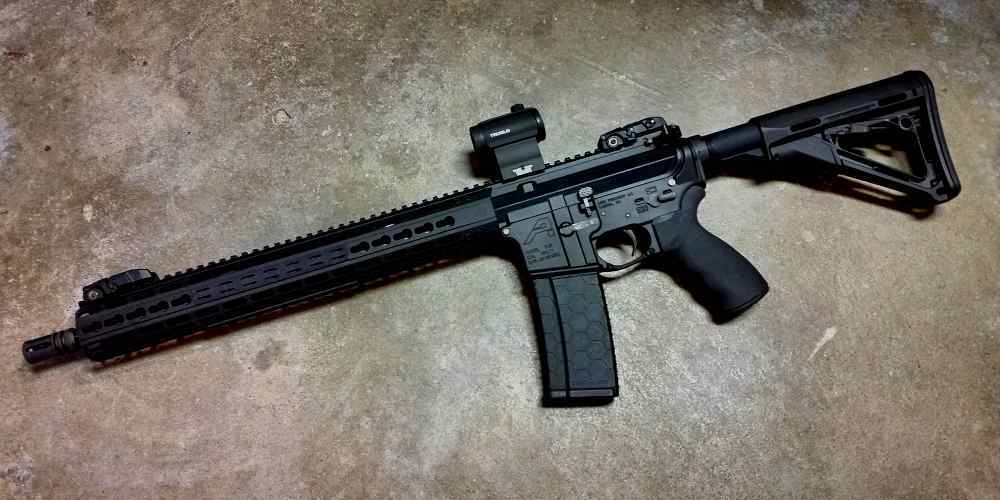
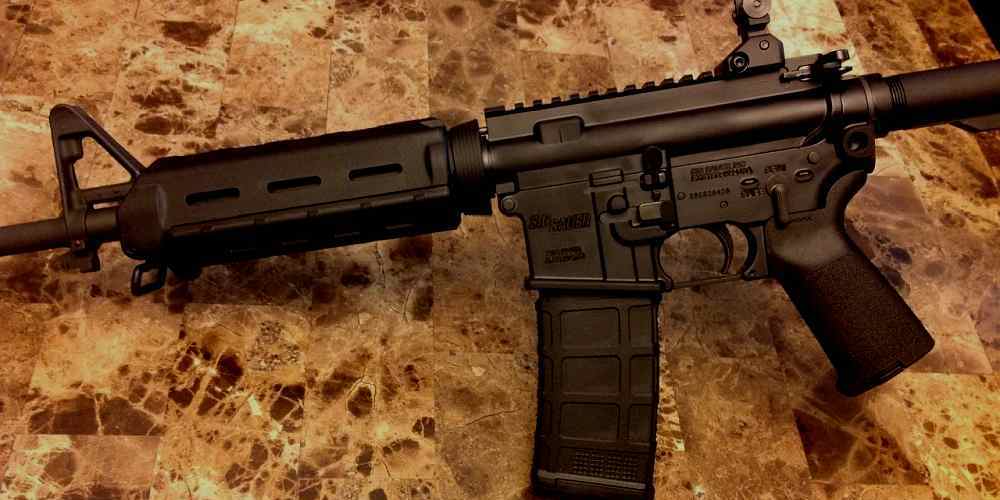
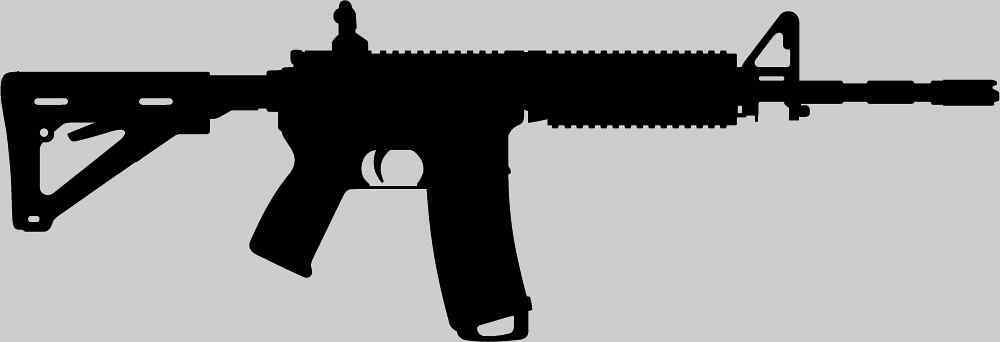
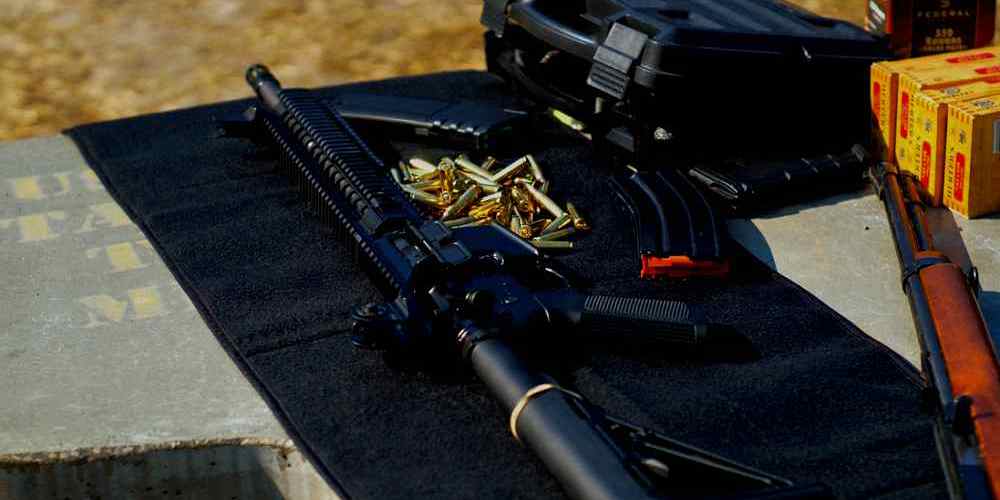
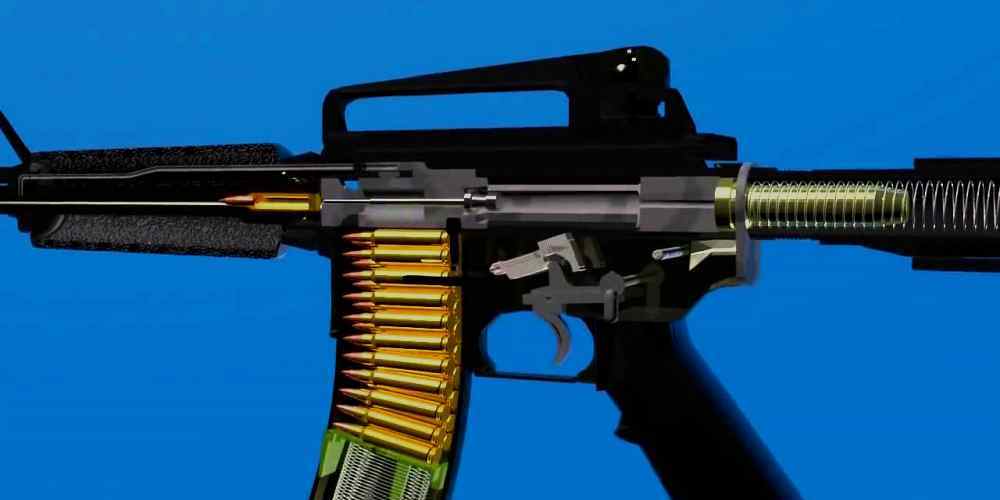
The AR-15 has earned its place as one of the most adaptable rifles ever made, and a big part of that reputation comes down to efficient manual of arms. Among the many techniques shooters discuss, one of the most practical is using the magazine well itself as a guide during reloads. When done correctly, this simple habit can help a shooter seat magazines more consistently, reduce fumbling under stress, and build smoother, more confident handling.
That said, speed should never come at the expense of safety or reliability. A fast reload is only valuable if the magazine is fully seated, the rifle remains pointed in a safe direction, and the shooter maintains control of the weapon at all times. For hunters, home defenders, competition shooters, and recreational owners alike, the goal is not just faster manipulation—it is efficient, repeatable, and responsible gun handling.

How a Magazine Well Speeds Up AR-15 Reloads
The AR-15 magazine well is more than just the opening that accepts a magazine; it is a natural index point that helps guide the magazine into place. In a well-practiced reload, the shooter can use the magwell as a visual and tactile reference to align the magazine quickly, which reduces the chance of “fishing” for the insertion angle. This is especially useful under time pressure, when fine motor coordination tends to degrade and simple, repeatable movements matter most.
Historically, the AR-15’s straight-in magazine insertion is one reason the platform became so popular with military, law enforcement, and civilian users. Compared with some older designs that require more complex seating motions, the AR-style magwell supports a direct, efficient reload path. For modern shooters, that means less wasted motion and fewer chances to seat the magazine at an odd angle, which can lead to failed reloads or partially locked magazines.
From a technical standpoint, the magwell helps create consistency. When a shooter brings the fresh magazine up in a similar path each time, the lower receiver and magazine well provide a predictable target. That consistency can be especially helpful with different magazine brands, gloves, low-light conditions, or awkward shooting positions. The trick is not magic; it is simply using the rifle’s geometry to your advantage while building a habit that stays reliable when it counts.
Training Tips for Faster, Safer Magazine Changes
The first rule of faster reloads is safety. Before working on speed, make sure the rifle is unloaded and cleared, and practice in a controlled environment with no live ammunition present. Dry-fire and manipulation drills are ideal for building muscle memory without unnecessary risk. Always keep the muzzle pointed in a safe direction and keep your finger off the trigger during all reload practice.
A good training method is to slow the movement down first, then gradually increase pace as consistency improves. Start by bringing the spare magazine to a consistent position, aligning it with the magwell, and seating it firmly with enough force to ensure the catch engages. Many shooters benefit from a deliberate “click check” or light tug after insertion to confirm the magazine is locked in place, because a reload that feels fast but fails to seat properly is no real improvement.
To build practical skill, practice from realistic positions: standing, kneeling, supported, and even from behind cover if appropriate to your training environment. Work on keeping your eyes up, your rifle oriented safely, and your movements economical. Over time, the magazine well becomes a reliable visual and physical guide that helps shorten reload time without encouraging sloppy technique. Quality magazines, consistent gear placement, and regular practice all contribute to smoother performance, but the real key is disciplined repetition.
The magazine well on the AR-15 is a simple feature, but it can make a meaningful difference in reload efficiency when shooters learn to use it properly. By treating the magwell as an alignment aid rather than trying to force speed, gun owners can improve consistency, reduce errors, and handle their rifles more confidently. That combination of precision and efficiency is exactly what responsible firearm ownership should emphasize.
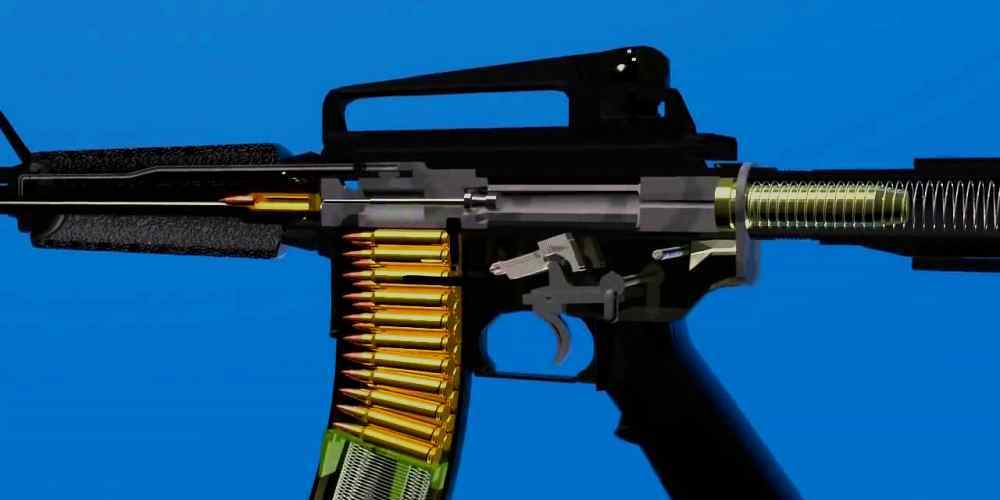
As with any shooting skill, the best results come from safe, patient practice and attention to detail. Whether you are preparing for competition, field use, or personal defense, a smoother reload is only useful if it is dependable and performed safely. Train with care, verify your equipment, follow all local laws and range rules, and make every repetition count.