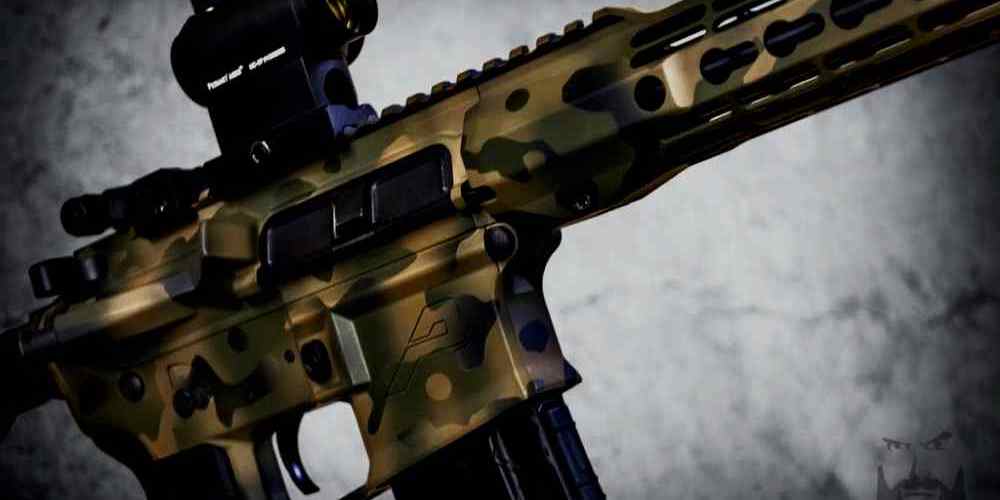
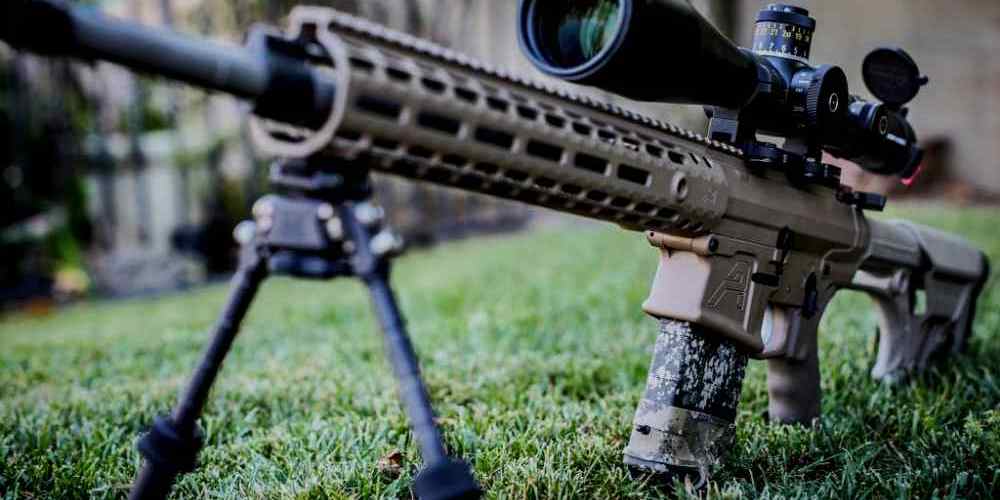
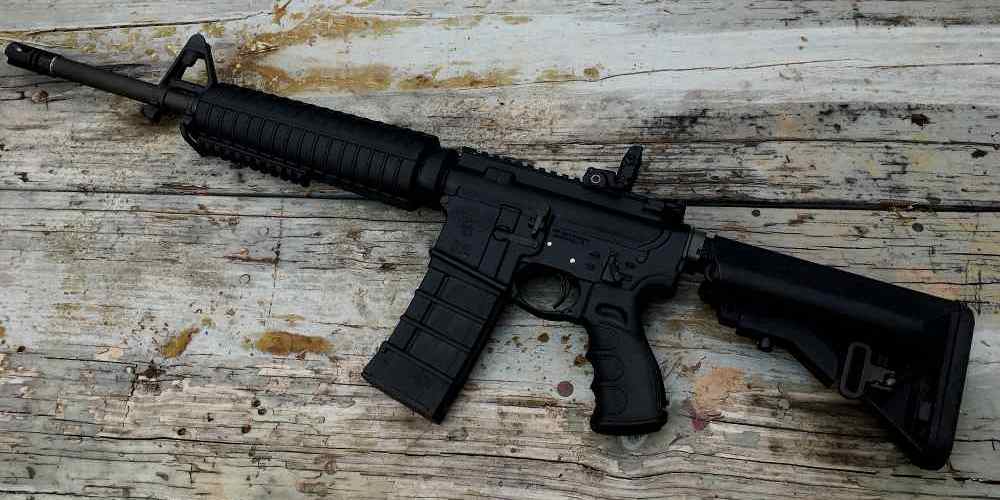
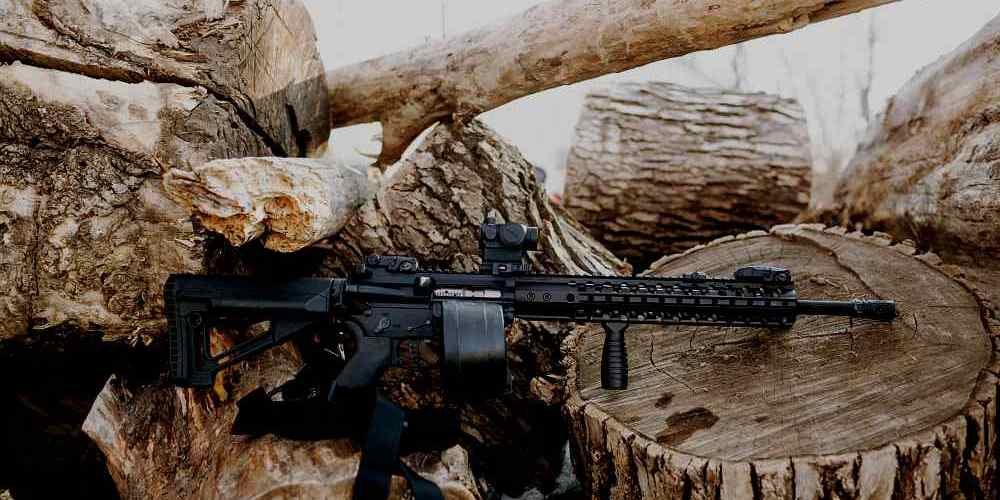
AR-15 magazines are often treated as simple accessories, but in real use they are critical components of the rifle’s reliability. A well-made magazine feeds cartridges smoothly, locks the bolt back when empty, and survives repeated loading, unloading, drops, and long-term storage. When a magazine is weak, worn, or poorly made, even a quality rifle can malfunction at the worst possible time.
For hunters, home defenders, and range shooters alike, magazine problems are more than an inconvenience. They can cause failures to feed, double feeds, bolt-over-base malfunctions, and feeding inconsistencies that waste time and create stress. Understanding why magazines fail and how to identify trouble before it starts is part of responsible firearm ownership.

Why AR-15 Magazines Fail Under Pressure
AR-15 magazines fail for a few common reasons, and most of them come down to design, materials, and wear. The magazine spring, follower, feed lips, and body all have to work together under tension. If any one of those parts is out of spec, damaged, or simply low quality, the magazine may function at the range but break down when the rifle is dirty, hot, or being used under stress.
One of the biggest causes of failure is feed lip deformation. On aluminum and polymer magazines alike, the feed lips control the release angle of the cartridge. If they spread, crack, or warp, rounds can nose-dive, pop free too early, or bind in the body. Springs can also weaken over time, especially in cheap magazines that use poor-quality steel or inconsistent heat treatment, leading to sluggish feeding and unreliable bolt lock-back.
Environmental and handling conditions matter as well. Dirt, grit, moisture, hard impacts, and prolonged compression can all expose weaknesses. A magazine that survives casual plinking may not survive repeated drops onto gravel, full-capacity storage in a hot vehicle, or years of use in a defensive setup. Historical lessons from military and law-enforcement use have shown that magazines are often the first point of failure, which is why many experienced shooters treat them as consumable wear items rather than permanent gear.
How to Spot Weak Magazines Before They Do
The best way to avoid magazine failure is to inspect and test them before trusting them for serious use. Start with a visual check: look for cracked bodies, bent feed lips, dents, swollen polymer, rust, and damaged floor plates. A magazine should insert smoothly, lock positively, and drop free when released. If it sticks, rocks excessively, or feels rough on insertion, that is a warning sign worth investigating.
Next, pay attention to the follower and spring action. Remove the floor plate safely, if you are comfortable and trained to do so, and inspect the spring for corrosion, kinks, or obvious fatigue. The follower should move freely without tilting or binding. Modern anti-tilt followers are a worthwhile upgrade in many cases, but even they won’t save a magazine with a damaged body or feed lips. Simple function checks, such as loading a few dummy rounds or performing controlled range testing, can reveal issues before the magazine is relied on in a defensive or field setting.
Finally, establish a routine for rotation and retirement. Mark magazines so you can track which ones are used most often, and separate any that have a history of malfunctions. Trusted magazines should be reserved for duty, hunting, or home-defense roles, while older or uncertain magazines can be used for training if they remain safe and functional. Buying from reputable manufacturers, avoiding bargain-bin unknowns, and testing every magazine with your specific rifle and ammunition are practical steps that protect both performance and safety.
AR-15 magazines may be small, but their importance is hard to overstate. A dependable rifle can still fail if the magazine is weak, worn, or ignored, which is why serious owners pay attention to the parts that control feeding and retention. Careful inspection, realistic testing, and honest retirement of questionable magazines are all part of responsible firearm care.
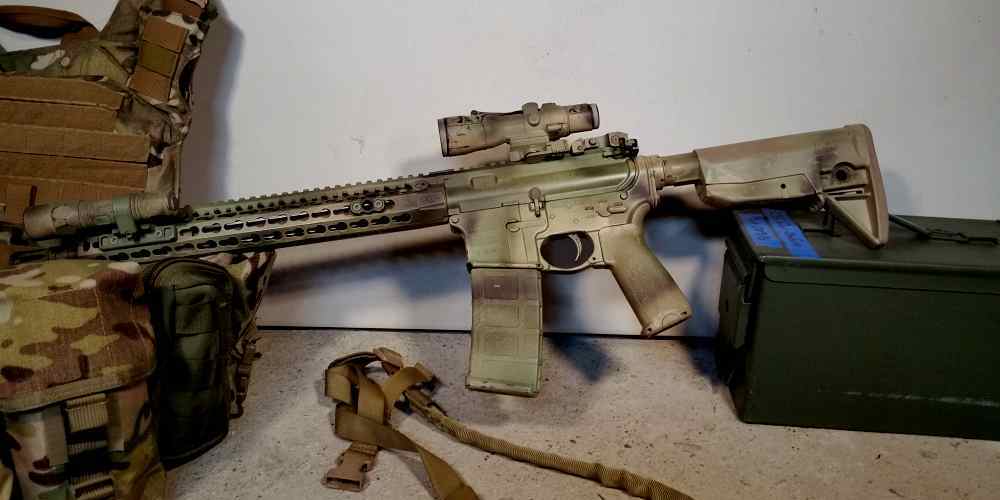
In the end, the goal is not to collect the most magazines, but to own the ones you can trust. Whether your rifle is used for sport, hunting, or personal protection, reliable magazines help ensure safe operation and consistent performance. Treat them as essential components, maintain them properly, and your rifle will be far more likely to run when it matters most.