If your AR-15 groups have been wandering more than they should, the problem may not be your ammo, your optic, or even your trigger control. One of the most common accuracy killers is far simpler: an inconsistent or incorrect shooting setup. From poor stock position to a shaky optic mount or an inconsistent cheek weld, small errors in how the rifle is configured and shouldered can turn a capable carbine into a frustrating one. The good news is that this is usually fixable with a little attention to detail, a few basic tools, and a commitment to consistent, safe rifle handling.
The AR-15 Setup Error Hurting Your Group Size
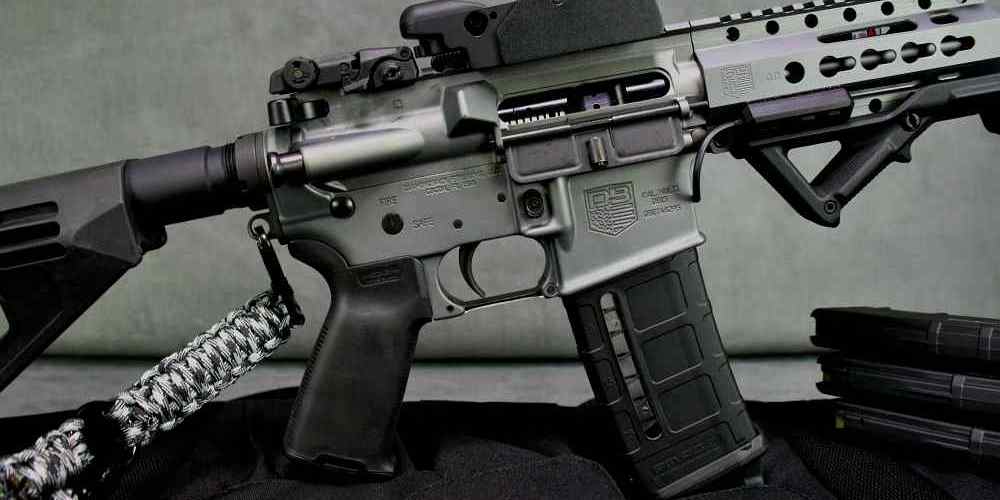
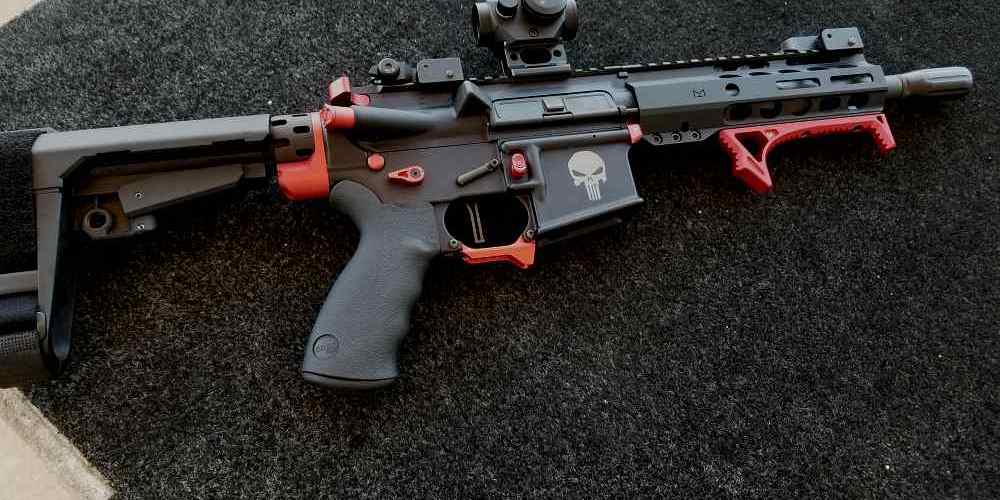
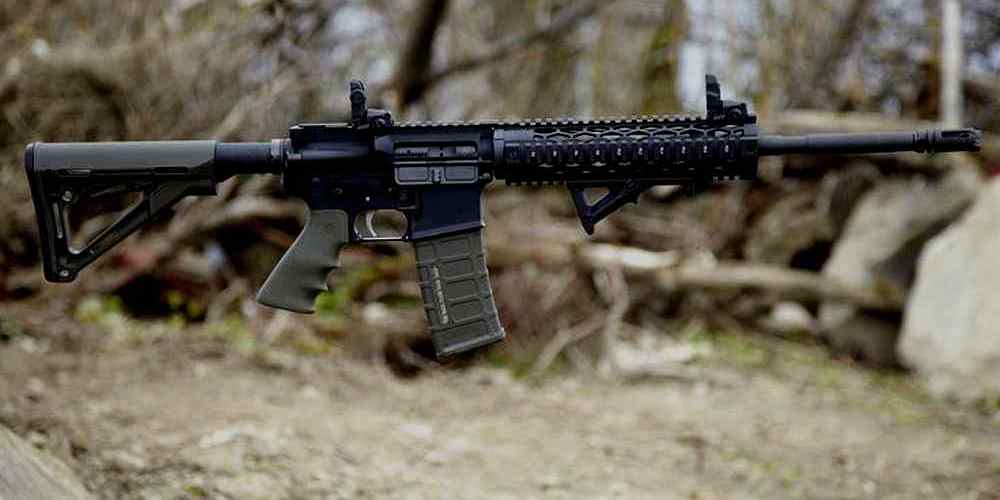
A lot of shooters assume the AR-15 is “plug and play” when it comes to accuracy, but the platform still depends heavily on repeatable setup. The most common mistake is an inconsistent interface between the shooter and the rifle: the stock is too long or too short, the optic is mounted at the wrong height or eye relief, or the shooter is not getting the same cheek weld and shoulder pressure on every shot. Even a rifle with a good barrel and quality ammo will throw larger groups if the shooter is having to hunt for the sight picture each time they mount the gun.

This problem became more noticeable as the AR-15 evolved from a lightweight infantry rifle into a highly configurable civilian platform. With adjustable stocks, modular handguards, and multiple optic options, shooters gained flexibility—but also more opportunities to introduce inconsistency. If the stock length forces your head to crane forward, or your optic sits so low or high that you’re changing your head position shot to shot, accuracy suffers. The rifle may be mechanically sound, but the human interface is unstable, and that instability shows up on paper immediately.
Another overlooked contributor is how the support hand and sling setup affect steadiness. A sling that is too loose, too tight, or anchored poorly can pull the rifle off alignment, while an overly aggressive grip can add tension and movement. Likewise, accessories mounted without care—like lights, grips, or bipods—can shift balance and encourage bad habits. For responsible gun owners, the goal is not just “looking set up,” but setting the rifle up so it returns to the exact same position every time you shoulder it, in a safe and controlled manner.
Fix This Common Mistake Before Your Next Range Trip
Start by checking stock length and optic placement. When you mount the AR-15 with your eyes closed, open them and see whether the sight picture is already naturally aligned. If not, adjust the stock so your head is upright and relaxed, then verify that your optic is mounted at the correct height and distance for your shooting style. A good setup lets you acquire the reticle without stretching your neck or rolling your head around. That repeatability matters more than cosmetic preferences, and it often delivers an immediate improvement in group size.
Next, confirm that the rifle is tightened and zeroed properly. An optic mount that is even slightly loose can create mysterious flyers, and a handguard accessory that shifts under recoil or pressure can change the way the rifle tracks. Use proper torque specifications from the manufacturer, check mounting screws with the right tools, and re-verify zero after any change to the setup. If you’re using a new optic, sling, or stock position, don’t assume it “should be fine”; test it carefully on a safe range and make sure the rifle still prints where it should.
Finally, build a consistent firing process around the corrected setup. From a stable bench or supported position, focus on mounting the rifle the same way every time, maintaining a relaxed grip, and pressing the trigger straight to the rear without disturbing the sight picture. Dry practice can help you confirm that your cheek weld and sight alignment are repeatable before you ever load live ammunition. Responsible accuracy is not about chasing gimmicks—it’s about making the rifle fit you, then reinforcing that fit with safe, disciplined fundamentals.
The AR-15 is capable of excellent accuracy, but only when the setup supports consistency. If your groups have been bigger than they should be, don’t rush to blame the rifle before checking the way it’s fitted to you. Stock length, optic height, mounting integrity, and repeatable shoulder position all matter more than many shooters realize. Take the time to dial in your setup, verify it safely, and keep it maintained, and you’ll likely see tighter groups, better confidence, and a more capable rifle at every range day.